Did you know that according to a 2022 report from Flooring Experts, approximately 70% of homeowners overlook the vital detail of their floor transitions until the moment of installation? It's understandable to focus on the sweeping expanse of a hand-tufted carpet or the intricate grain of fine parquet; yet, the threshold is where the true narrative of a home is either unified or broken. You likely recognize that a visible gap or an uneven height can instantly diminish the luxury aesthetic you've worked so hard to curate. Selecting the correct transition strips for different flooring types is not merely a functional necessity; it is a final, reverent stroke of the brush on a masterpiece.
You deserve a home where every step feels deliberate and secure, free from the tripping hazards or the structural anxiety of buckling floors. This guide promises to elevate your understanding of these essential joinery elements, ensuring your vinyl, laminate, or rubber flooring maintains its integrity and beauty for years to come. We'll explore the technical precision of ADA-compliant bevels, the nuances of expansion gaps, and the latest 2026 trends in minimalist aesthetics. By the end of this exploration, you'll possess the curator's eye needed to bridge diverse materials with the grace and permanence they deserve.
Key Takeaways
- Understand how the threshold acts as a silent curator of your interior’s flow, preserving both the visual narrative and the structural integrity of your expansive flooring.
- Master the specialized vocabulary of T-mouldings, reducers, and end caps to select the ideal transition strips for different flooring types within your bespoke living space.
- Discover the delicate art of bridging rigid SPC or parquet with soft textiles while honoring the essential expansion gaps that allow your materials to breathe and move.
- Learn why professional installation is the definitive safeguard for your investment, ensuring that every transition remains a seamless and enduring element of your home’s architectural design.
Table of Contents
The Architectural Significance of Flooring Transitions
To the seasoned collector of fine interiors, the threshold of a room is far more than a simple boundary; it's the vital bridge between disparate flooring narratives that defines the very soul of a residence. When we curate a home, we select materials like hand-tufted carpets or noble parquet for their individual stories, yet the point where these materials meet requires a specialized, architectural touch. Utilizing transition strips for different flooring types ensures that this meeting is not a jarring interruption but a harmonious continuation of the home's aesthetic journey. A poorly executed join can evoke a sense of unease, a visual stutter that disrupts the quiet luxury of a space, whereas a seamless threshold preserves the narrative flow and protects the structural integrity of the entire installation.
Choosing to omit these transitions in an attempt to achieve a "perfectly flat" look often backfires, resulting in an unfinished appearance that devalues even the most premium materials. It's the difference between a custom-tailored garment and one that has been left with raw, frayed edges. By treating the threshold as a piece of high art, you elevate the functional requirement of a floor join into a deliberate design statement that reflects a commitment to quality and architectural heritage. This meticulous approach ensures that the transition serves as a bridge, not just between rooms, but between the vision of the designer and the reality of the living space.
Beyond Aesthetics: The Structural Imperative
While the eye appreciates the visual flow, the floor itself demands a structural sanctuary, often referred to as the expansion gap. Different materials possess unique thermal and moisture-related expansion rates; for instance, the rigid core of SPC reacts differently to environmental shifts than the resilient layers of vinyl flooring. These materials require independent movement zones to avoid the risk of buckling or lifting, particularly in expansive open-plan designs where the floor may cover significant distances. By incorporating a transition strip, you provide a protective guardian that shields the delicate edges of your materials from daily wear while ensuring the floor has the "breathable" space it needs to maintain its pristine, level surface over time.
Defining the Threshold in Modern Open-Plan Living
In the sweeping vistas of modern architecture, where the absence of walls creates a feeling of boundless freedom, the floor must perform the essential task of spatial definition. Transitions act as silent signals, subtly marking a change in room function and guiding the inhabitant from the plush comfort of a private lounge to the vibrant energy of a dining hall. The art of the connoisseur lies in matching the finish of these transition strips for different flooring types to the existing architectural hardware, such as aged brass or satin nickel, to create a cohesive and deliberate design language. The profile you choose ultimately determines the visual weight of the room's borders; a slim, flush profile offers a minimalist grace, while a more pronounced threshold provides a sense of historical weight and architectural permanence that anchors the room's narrative foundation.
A Taxonomy of Profiles: T-Mouldings, Reducers, and End Caps
To the discerning eye, a floor is a grand composition where every line must be intentional. Understanding the specific transition strips for different flooring types requires a mastery of a specialized taxonomy, a vocabulary that separates the mere decorator from the true connoisseur of interior architecture. These profiles are the punctuation marks of your home's narrative; they define where one story ends and another begins with quiet authority. Selecting the correct shape is not merely a technical decision but an act of curation that ensures the structural longevity and aesthetic rhythm of your living space remain undisturbed.
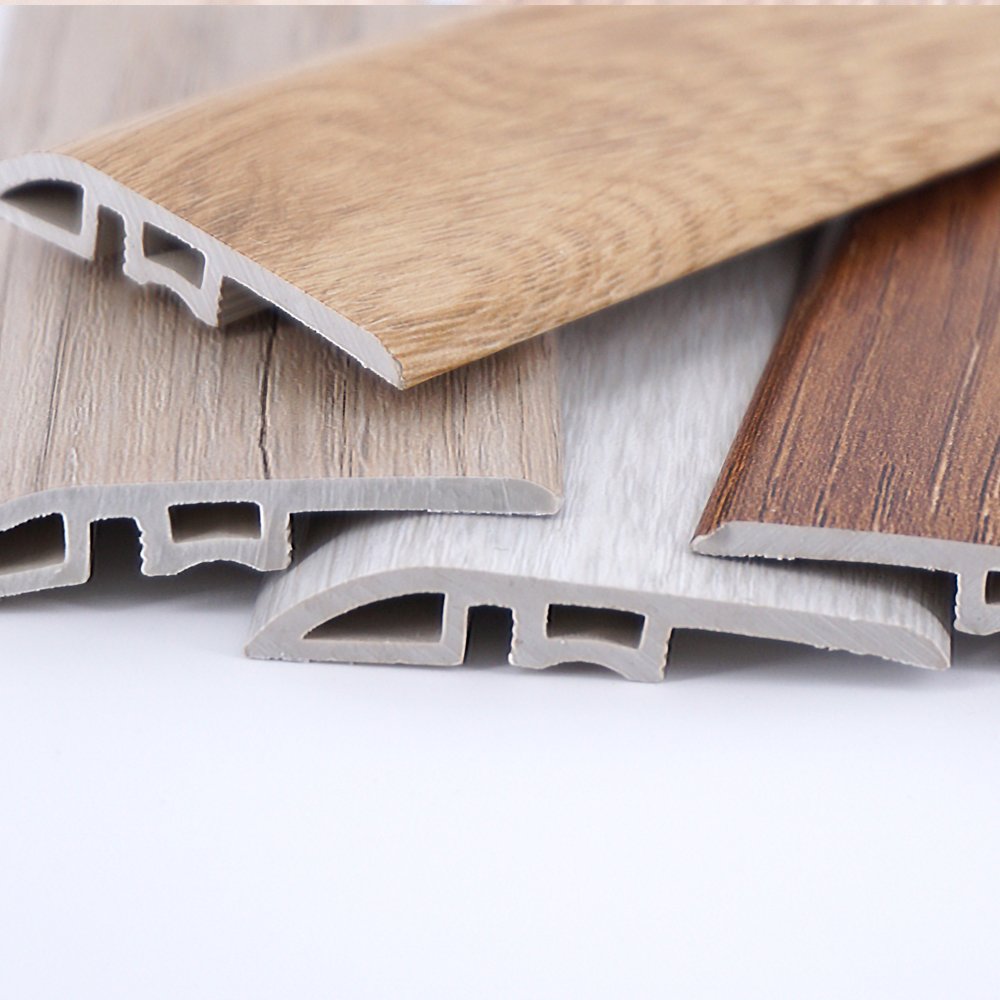
The T-Moulding stands as a testament to perfect equilibrium, acting as the quintessential choice for bridging two surfaces of identical height. It's most frequently employed when connecting expansive corridors of SPC flooring, creating a balanced bridge that allows for necessary expansion gaps while maintaining a level, dignified plane underfoot. When the architectural journey moves between materials of differing thicknesses, the reducer provides a sophisticated, gentle slope. It facilitates a graceful descent from a thick parquet to a lower profile vinyl, ensuring the shift in elevation is felt as a subtle cadence rather than a jarring step. For those moments where the flooring meets a fixed architectural element, such as a sliding glass door or the stone hearth of a fireplace, the end cap or square nose offers a definitive, perpendicular finish that anchors the floor against the room's immovable features.
The Versatility of the 4-In-1 Transition System
Modern innovation has introduced the 4-in-1 transition system, a modular marvel that offers immense versatility for complex projects. While a dedicated profile often provides a more bespoke, tailored appearance, these multi-purpose strips utilize a concealed metal track system beneath a decorative overlay. This allows for a secure installation that accommodates various heights and material pairings with a single, adaptable kit. If you're seeking to refine these intricate details, exploring a curated selection of premium trims can help you find the perfect match for your bespoke project.
Thresholds and Saddles: Traditional vs. Contemporary
Historically, the "full saddle" transition, a wide and prominent wooden threshold, was a hallmark of classical architecture, providing a sense of weight and permanence. Today’s preferences often lean toward "slim-line" profiles that seem to disappear into the floor's grain, yet the choice of material remains paramount. Whether you opt for cold-pressed metals, solid hardwoods, or meticulously matched vinyl wraps, the material should harmonize with the room's existing hardware to create a unified visual language. The stair nose remains a critical element in this hierarchy, balancing the uncompromising requirements of safety with the refined elegance of a cascading floor as it wraps each step in a durable, beautiful conclusion.
Material Harmonies: Bridging Vinyl, SPC, and Parquet
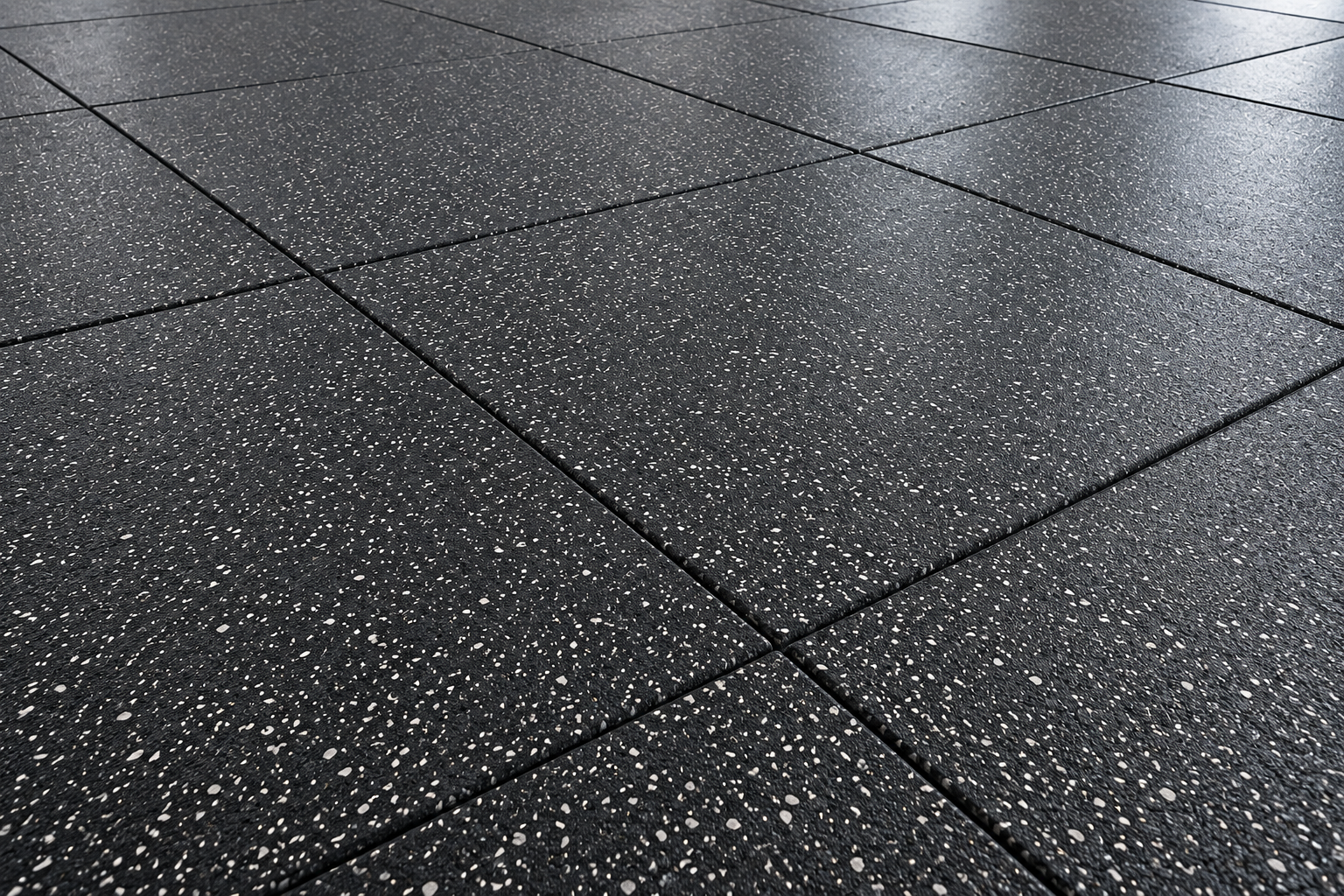
The dialogue between textures is where the true character of a home reveals itself, a delicate conversation between the unyielding strength of stone and the inviting warmth of carpet. Achieving a seamless union requires a deep appreciation for the physical properties of each medium. When choosing transition strips for different flooring types, one must consider not only the visual alignment but also the rhythmic shift in density and height. For instance, the transition from artisanal wooden flooring to ceramic tile demands a solution that respects the natural movement of timber while providing a moisture-resistant barrier for the stone. This is often achieved through a carefully selected reducer or a bespoke T-moulding that allows for the necessary expansion gaps without compromising the room's elegant silhouette.
In contemporary designs that blur the boundaries between the sanctuary of the home and the vitality of nature, we often see the need to bridge interior SPC with artificial grass on a terrace or balcony. This requires a transition that is both weather-resilient and visually unobtrusive, ensuring the synthetic botanical artistry feels like a natural extension of the indoor living space. By selecting transition strips for different flooring types that mirror the tones of the interior floor, you create a threshold that invites the eye to wander across the boundary without friction. It's a testament to the belief that every edge, no matter how functional, deserves the attention of a master craftsman.
The SPC and Vinyl Connection
Matching the exact texture and grain of your vinyl is a meticulous task that requires the eye of a curator. At the critical threshold between a kitchen and a living area, moisture resistance becomes the primary structural concern. A flush-mount transition provides a minimalist aesthetic that eliminates vertical barriers, allowing the floor to flow as a single, uninterrupted surface while discreetly managing the different expansion requirements of the rigid core materials. This approach ensures that the transition remains a silent, reliable anchor for the room's narrative.
Soft to Hard: The Art of the Carpet Join
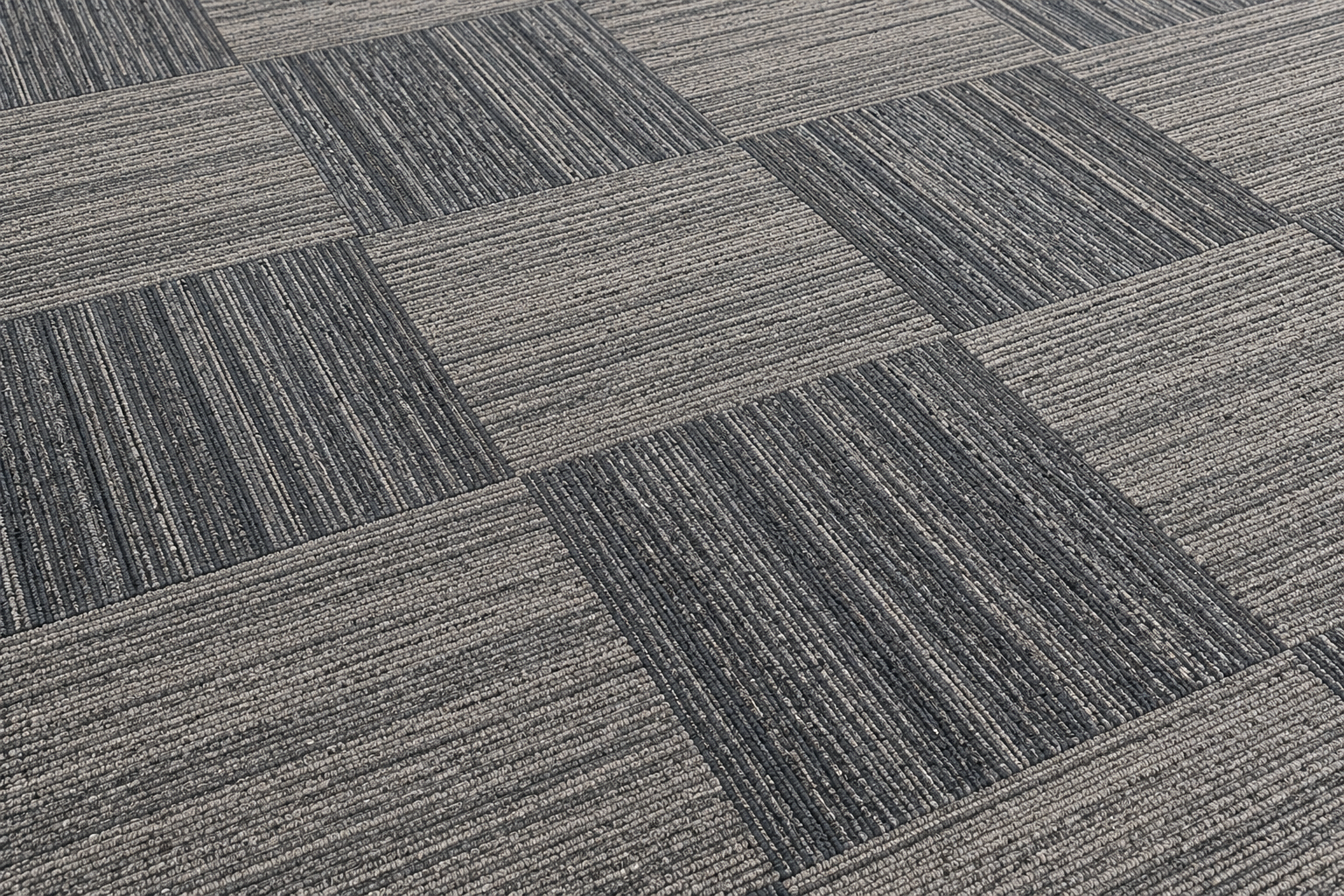
The union of a plush textile and a hard surface is perhaps the most sensory transition in a home. Utilizing specialized Z-bars and grippers allows the edges of luxury carpets to be tucked perfectly beneath a metal or vinyl reducer, creating a finish that is both secure and aesthetically refined. This precision is equally vital in high-traffic commercial settings, where exhibition carpets must meet hard surfaces with a trip-free edge that maintains its dignity under the weight of constant movement. It's about preserving the plush feel of the textile while ensuring the transition stays secure.
Precision in Execution: The Art of Installing Transition Strips
The installation of these architectural elements is a slow, deliberate ritual that transforms a functional requirement into a masterpiece of joinery. Choosing the appropriate transition strips for different flooring types is only the first movement in this symphony; the second is the precision of their execution. A strip that's poorly seated or hurriedly fastened will rattle underfoot, a discordant note that betrays the quality of the surrounding materials. To achieve a result that mirrors the refinement of a private gallery, one must approach the installation with the patience of a master craftsman, ensuring every measurement and anchor is placed with absolute intent.
- The Measurement of Breath: The first step involves the precise calculation of the expansion gap, that vital "breathable" space that allows the floor to expand and contract without distress.
- The Foundation of the Anchor: Selecting the fastening method is a choice between the permanence of a track-base system, which offers a secure mechanical hold, and the streamlined elegance of adhesive-direct applications.
- Refining the Horizon: Managing height variances requires the skillful use of shims or meticulous subfloor preparation to ensure the transition creates a level journey between rooms.
- The Final Resonance: The ritual concludes with the final fitment, ensuring a snug, silent seat that eliminates movement and provides a tactile sense of solidity.
If you seek a finish that perfectly preserves the structural integrity of your home, our curators offer bespoke flooring installation services tailored to the most demanding architectural standards.
Climate Considerations: The GCC Expansion Factor
In the unique environment of the UAE, seasonal humidity shifts and temperature fluctuations create significant movement in rigid core materials. The intense heat can compromise standard glues, making it essential to utilize high-grade, heat-resistant adhesives for all transition tracks to prevent delamination. For the year 2026, the architectural standard for an ideal expansion gap width remains a precise 1/4 inch to accommodate these environmental rhythms. This gap ensures that your transition strips for different flooring types remain secure while the floor beneath them moves with natural grace.
Common Installation Pitfalls to Avoid
A frequent error that ruins a premium installation is "pinning" the floor, where the transition strip is nailed or screwed directly through the flooring material, effectively trapping it and causing eventual buckling. Uneven subfloors are another adversary, often resulting in an unsettling "bounce" at the threshold that can be corrected only through patient leveling before the strip is set. Finally, one must always verify that the chosen profile doesn't impede the effortless swing of interior doors, as a threshold that's even a fraction too high can disrupt the functional flow of a residence. It's these small, invisible details that separate a standard renovation from a work of lasting architectural value.
The Z&S Legacy: Bespoke Solutions for Every Threshold
Zia and Sagor Carpets Trading LLC stands as a guardian of the floor's narrative, treating every threshold as a critical juncture in the architectural story of your home. We aren't merely providers of materials; we're curators of a complete sensory experience that begins with the softest hand-tufted carpet and concludes with the precise, silent seat of a transition strip. Our legacy is built upon a profound respect for the slow, meticulous nature of specialized creation, where every element is selected for its ability to endure and enchant. By offering a comprehensive portfolio that includes noble parquet, rigid SPC, and resilient vinyl, we ensure that your choice of transition strips for different flooring types is never an afterthought but a deliberate act of design that anchors the entire room.
The longevity of a seamless threshold is inextricably linked to the skill of the maker and the precision of the installation. We believe that a masterpiece deserves the hand of a master, which is why the professional services at Zia and Sagor Carpets Trading LLC are designed to guarantee that your transitions remain as enduring as the heritage they protect. A transition that's expertly matched and installed doesn't just bridge two rooms; it preserves the structural integrity of your investment, allowing your flooring to breathe and move within the unique environmental rhythms of the GCC. This commitment to quality transcends the fleeting trends of the modern market, focusing instead on the artisanal durability that transforms a functional item into a cultural artifact within your living space.
Curated Accessories for a Masterpiece Home
At Zia and Sagor Carpets Trading LLC, we meticulously select transition profiles that serve as the perfect accompaniment to our luxury flooring collections. Sourcing your flooring and its essential accessories from a single, expert supplier ensures a level of visual harmony and technical compatibility that's impossible to achieve through fragmented procurement. Whether you're seeking to bridge the gap between a private study and a grand corridor, our connoisseurs are available for a personalized consultation to help you navigate the nuanced world of architectural joinery. We invite you to discover how our curated trims can elevate your project from a standard renovation to a bespoke work of art.
A Final Note on Aesthetic Integrity
The transition strip is the final brushstroke on the canvas of your room, the subtle yet powerful detail that anchors the entire design. We encourage you to view your home as a private gallery of fine materials, where every threshold is an opportunity to celebrate the skill of the craftsman and the beauty of natural motifs. To begin your journey toward a home filled with meaning and unparalleled beauty, we invite you to visit the Zia and Sagor Carpets Trading LLC showroom or contact our experts today. Let us help you select the transition strips for different flooring types that will define your home's narrative for generations to come.
Elevate Your Home’s Architectural Narrative
Every threshold within a residence is a silent testament to the owner's commitment to aesthetic excellence. By mastering the selection of transition strips for different flooring types, you've moved beyond mere utility into the specialized realm of architectural joinery. You now understand how the delicate balance of profiles preserves the structural integrity of your floors while ensuring a visual flow that feels both intentional and eternal. It's the final, invisible detail that anchors a room's meaning and protects the longevity of your materials.
Since 2010, Zia and Sagor Carpets Trading LLC has served as a guardian of this refined vision across the GCC, supplying high-quality SPC, vinyl, and artisanal carpets that demand nothing less than perfection. Our professional installation specialists are dedicated to ensuring that every join is a seamless masterpiece of durability and grace, reflecting the slow, meticulous nature of true craftsmanship. We invite you to explore our curated collections of luxury flooring and professional installation services at Zia and Sagor Carpets Trading LLC. Your home is your private gallery; let every detail reflect the depth of your taste and the history of your space.
Frequently Asked Questions
Do I really need a transition strip if my floors are the same height?
Yes, even floors of identical height require a T-moulding to accommodate the essential expansion gap. This "breathing room" allows floating floors to move naturally with temperature shifts and humidity. Without this structural joinery, the floor has no space to expand, which leads to internal tension and eventual damage at the meeting point of the two surfaces.
What is the best transition strip for vinyl to tile floors in a humid climate?
An aluminum or high-grade vinyl reducer is the superior choice for these specific environmental conditions. In the humid climate of the GCC, moisture resistance and heat-stable adhesives are paramount to prevent the threshold from warping. Utilizing specialized transition strips for different flooring types ensures that the disparate expansion rates of vinyl and ceramic are managed with technical precision and lasting grace.
How do I hide the gap between my flooring and the wall?
While transition strips manage room-to-room joins, skirting boards or quarter rounds are the definitive solution for wall-side gaps. These architectural moldings cover the essential 1/4 inch expansion gap required at the perimeter of the room. They provide a graceful conclusion to the floor's narrative, protecting the edges while adding a layer of refined, historical detail to the room's borders.
Can I install transition strips myself or should I hire a professional?
While simple self-adhesive products cater to the DIY segment, a professional installation is recommended to guarantee the longevity of bespoke materials. A curator knows that the beauty of a threshold lies in its precise, rattle-free fitment. Professionals possess the specialized tools and heritage-driven expertise needed to manage complex height variances and ensure the structural integrity of the entire premium flooring installation.
Will a transition strip prevent my SPC flooring from buckling?
Yes, a transition strip acts as the primary safeguard against buckling by concealing the necessary expansion gap. By allowing the rigid SPC core to expand and contract freely beneath the decorative overlay, the strip prevents the planks from pressing against each other. This architectural joinery is essential for maintaining a level, dignified surface across the expansive vistas of a modern open-plan home.
How do I choose a color for my transition strip—should it match the floor or the door frame?
Selecting a color that matches the floor creates a cohesive, uninterrupted narrative that expands the visual sense of space. However, matching the strip to your architectural hardware, such as aged brass or satin nickel, can provide a sophisticated accent that anchors the threshold. The choice depends on whether you desire a minimalist, hidden join or a deliberate, historical statement at the room's border.
What happens if I don’t leave an expansion gap at the threshold?
Omitting the expansion gap at the threshold inevitably leads to structural failure, including buckling, lifting, and separation. Without this "breathable" space, the floor's natural movement is restricted, creating internal pressure that forces the planks upward. This not only ruins the luxury aesthetic but also creates significant tripping hazards and compromises the integrity of premium flooring materials over time.
Are there waterproof transition strips for bathrooms and kitchens?
Absolutely, vinyl and aluminum transition strips for different flooring types offer the necessary moisture resistance for kitchens and bathrooms. These materials are impervious to the spills and high humidity common in wet zones, ensuring the threshold remains secure and beautiful. Selecting a waterproof profile preserves the transition's integrity, preventing the swelling or rot that can occur with untreated wooden thresholds in damp environments.