Introduction
Setting up a gym, whether at home or as part of a commercial fitness centre, means thinking carefully about what goes underfoot. Good Gym Flooring in UAE needs to absorb impact, resist heavy equipment, and stay safe for years of daily training. Z&S Carpets supplies and installs gym flooring for home gyms, corporate fitness rooms, and commercial studios across the UAE, helping clients choose the right thickness and finish for their space. In this guide, we will look at why gym flooring matters, the main options available, and how to choose the right one for your fitness area.
Why Standard Flooring Does Not Work in a Gym
Regular tile or laminate flooring is not built to handle dropped weights, heavy machines, or the constant movement that happens in a gym. Hard flooring can crack under sudden impact, and it offers little grip or cushioning for people training barefoot or in light shoes. This is why gym flooring uses different materials and thicker construction than what you would put in a living room or office. A good gym floor protects both the structural floor underneath and the people using the space above it.
What Makes Rubber the Standard for Gym Flooring
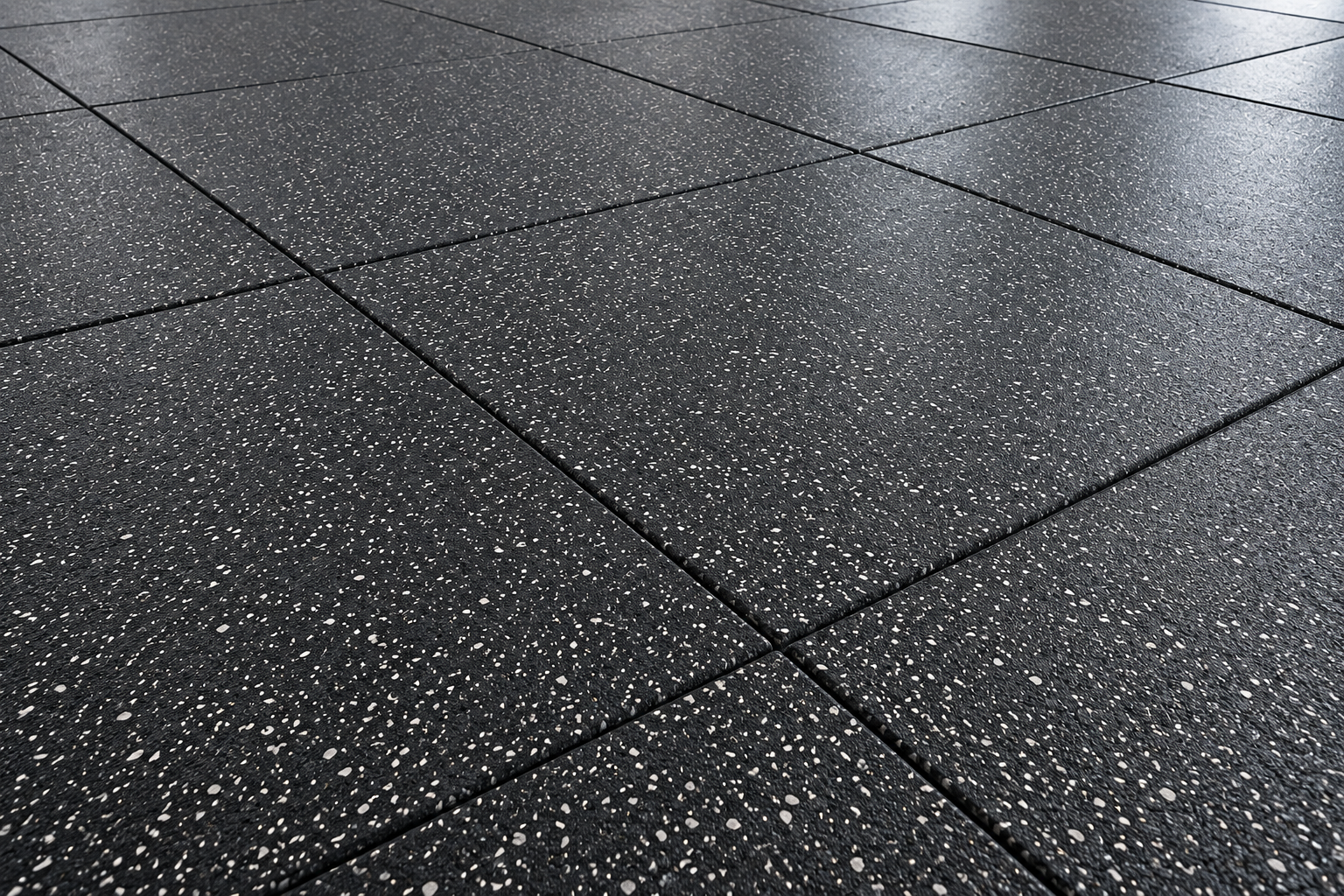
Most Gym Flooring in Dubai and across the wider UAE is made from rubber, and there is a simple reason for this. Rubber naturally absorbs shock, which softens the impact of dropped weights and reduces strain on joints during high-intensity training. It also provides grip underfoot, helping prevent slips during fast movements or when the floor gets sweaty. On top of this, rubber resists sweat, cleaning chemicals, and general daily wear far better than most other flooring materials, which matters in a space that gets used every single day.
Choosing the Right Gym Flooring Supplier
Not every gym flooring supplier offers the same quality or thickness options. A good supplier should be able to explain the difference between thinner mats suited to stretching areas and thicker tiles needed for heavy weightlifting zones. Z&S Carpets works with clients to match flooring thickness to how each part of a gym will actually be used, since a cardio area and a free-weights corner have very different flooring needs. We also help clients choose between tiles and rolled rubber, depending on the size and shape of the space.
Sports Flooring for Wider Fitness and Activity Areas
Beyond traditional gyms, sports flooring is also in demand for multi-purpose studios, school activity halls, and indoor training courts. A sports flooring supplier needs to understand not just impact absorption, but also how the surface performs for movement in different directions, since sports training often involves quick turns and changes of pace that a standard gym floor may not be designed for. Z&S Carpets supplies sports flooring suited to yoga studios, martial arts spaces, and general activity rooms, alongside standard gym setups.
EPDM Rubber Tiles for Colour and Durability
For gyms that want more than plain black flooring, EPDM Rubber Tiles offer a practical way to add colour without giving up performance. These tiles keep the same shock-absorbing and slip-resistant qualities as standard rubber flooring, while offering a wider choice of shades that can match a brand or create a more welcoming space. EPDM Rubber Tiles are also known for holding their colour well over time, even with heavy daily use, which makes them a good option for commercial gyms that want a more polished look.
Installation and Long-Term Maintenance
Getting gym flooring installed properly makes a big difference in how it performs over time. The subfloor should be clean, dry, and level before tiles or rolls are laid, since bumps or debris underneath can cause uneven wear later. Once installed, gym flooring is fairly simple to maintain. Daily sweeping keeps dust and grit from building up in the surface texture, while regular mopping with suitable cleaner removes sweat and general grime. Periodic deep cleaning helps keep busy commercial gyms looking fresh even after years of heavy daily use, and checking for loose tiles early prevents small issues from becoming safety hazards.
Key Areas That Need Different Gym Flooring Thickness
Different zones in a gym need different flooring thickness to perform safely:
-
Heavy weightlifting areas need the thickest rubber to absorb dropped barbells
-
Cardio zones need moderate thickness to reduce vibration from machines
-
Stretching and bodyweight areas can use thinner, softer flooring for comfort
-
Entrance and walkway areas benefit from thinner, easy-to-clean rubber
-
Multi-purpose studios often use mid-range thickness that suits a variety of activities
Getting this right at the planning stage avoids problems and unnecessary costs later on.
Conclusion
Choosing the right Gym Flooring in UAE protects both your equipment and the people training on it, whether you are setting up a small home gym or a full commercial studio. From standard rubber tiles to colourful EPDM Rubber Tiles and specialized sports flooring, Z&S Carpets has the range and experience to help you get it right. Contact Z&S Carpets today for your gym flooring consultation.