A truly magnificent floor is never simply clicked into place; it is a rhythmic synthesis of environmental wisdom and architectural precision that anchors the entire aesthetic of a residence. You likely understand the quiet anxiety that accompanies such a transformation, fearing that a single overlooked detail in the click-lock SPC flooring installation might lead to visible gaps or the dreaded buckling caused by our intense local climate. It's a valid concern for any discerning property owner who values lasting beauty over a hurried finish.
In this guide, you'll discover the sophisticated precision required to transform your space with the seamless elegance of rigid core materials. We'll explore the technical nuances of Stone Plastic Composite, from the necessity of professional subfloor rectification to the latest requirements of Dubai Law No. (3) of 2026. By understanding this meticulous process, you'll gain the confidence to ensure your renovation results in a perfectly level, silent, and exquisite foundation that can increase your property's value by as much as 22 percent. We will walk through the essential steps of acclimation and layout to ensure your vision of a refined home becomes a permanent reality.
Key Takeaways
- Learn to prepare a subfloor with absolute planarity, ensuring your floor remains a silent foundation free from the imperfections of visible gaps or buckling.
- Discover how the sophisticated engineering of Stone Plastic Composite allows for a seamless click-lock SPC flooring installation through a precise, glueless interlocking system.
- Master the 48-hour acclimation ritual to ensure your rigid core materials achieve perfect equilibrium with the unique environmental variables of the local climate.
- Gain the confidence to execute a flawless layout that respects the true dimensions of your room, resulting in a balanced and visually stunning architectural statement.
- Explore the art of finishing with curated skirting and profiles that bridge the gap between specialized craftsmanship and contemporary living.
Table of Contents
The Meticulous Preparation of the Subfloor Canvas
Every masterpiece requires a pristine canvas, and in the world of high-end interior design, the subfloor serves as the silent foundation upon which all aesthetic excellence rests. Before the first plank is ever laid, one must approach the substrate with the reverence of a conservator preparing a gallery wall. A successful click-lock SPC flooring installation is not merely a matter of assembly; it's an architectural commitment to stability. If the underlying surface is neglected, even the most exquisite Stone Plastic Composite will eventually betray its origins through unsettling sounds or structural fatigue. The subfloor is the soul of the installation, dictating whether the finished work will feel like a solid, permanent fixture or a fleeting, temporary surface.
Achieving absolute planarity is the hallmark of a seasoned professional. In the exacting standards of modern construction, a mere 3mm deviation over a three-meter span can compromise the entire locking mechanism. This rigid core material does not possess the forgiving flexibility of its predecessors. While the lineage of modern resilient surfaces can be traced back to the utilitarian roots of Vinyl composition tile, the contemporary Stone Plastic Composite demands a far more exacting standard of preparation to maintain its seamless elegance. When the subfloor is uneven, the interlocking joints are subjected to constant vertical stress, leading to the eventual failure of the click-lock SPC flooring installation and the appearance of unsightly gaps.
Assessing Structural Integrity and Levelness
The process begins with a deliberate assessment using professional straight-edges to identify subtle undulations in the concrete or plywood. These hidden valleys and peaks, often invisible to the naked eye, must be addressed with high-compression floor leveling compounds. This isn't a task for standard fillers; it requires materials that can withstand the weight of the rigid core without crumbling. We must also meticulously treat any cracks or fissures. If left open, these structural imperfections could telegraph through to the final surface over time, disrupting the visual flow of the grain and the tactile smoothness of the floor.
The Sanctity of a Dry and Clean Foundation
Moisture is the invisible threat that can undermine the most beautiful projects. Quantifying moisture levels is a critical ritual, ensuring that hydrostatic pressure doesn't build beneath the planks. Even though SPC is inherently waterproof, trapped vapor can lead to unwanted odors or microbial growth in the substrate. Beyond moisture, the subfloor must undergo a deep-cleansing process to remove all historical debris, from ancient construction dust to modern chemical residues. Every particulate must be banished. Even a single grain of sand can interfere with the precision-milled locking profiles, preventing the planks from finding their perfect, rhythmic equilibrium.
Deciphering the Engineering of Click-Lock SPC Mechanisms
Stone Plastic Composite, or SPC, represents a sophisticated marriage of natural limestone and advanced stabilizers, creating a material that transcends the limitations of traditional resilient surfaces. Unlike the pliable nature of standard luxury vinyl, the SPC core is defined by its uncompromising rigidity. This architectural evolution allows for a glueless, floating floor system that relies on precisely milled interlocking profiles to achieve a seamless fit. When you engage in a click-lock SPC flooring installation, you aren't merely laying planks; you're orchestrating a structural unity where every piece supports the whole. The audible click that resonates during assembly is more than a mechanical event. It's a signal of artisanal completion and a testament to the engineering that ensures your floor remains a singular, cohesive masterpiece.
While the engineering of the plank is remarkable, its performance is inextricably linked to the environment beneath it. Adhering to the ASTM F710 Standard Practice for subfloor preparation ensures that the precision-milled joints aren't forced to compensate for structural irregularities. This synergy between the substrate and the plank's core is what prevents the shifting and gapping that plagues lesser installations. If you're seeking to elevate your interior with materials that embody this level of technical excellence, exploring a curated collection of SPC flooring can provide the narrative foundation your home deserves.
The Anatomy of a Rigid Core Plank
A single plank is a multi-layered artifact of modern science. At its heart lies the limestone-rich core, which provides unparalleled dimensional stability, even when supporting the weight of heavy, heirloom furniture. Above this core, a high-definition decorative layer mimics the intricate grains of rare timbers or the cool textures of quarried stone with startling fidelity. This aesthetic layer is protected by a robust wear layer and a specialized UV coating, which preserves the depth and vibrance of the design against the relentless sun. Many of these planks also feature an integrated underlayment, adding a layer of acoustic refinement that ensures every footfall is hushed and deliberate.
The Mechanics of the Interlocking Profile
The true genius of the system lies in the interlocking profiles, typically categorized as angle-angle or drop-lock mechanisms. These systems are designed for a frictionless assembly that eliminates the need for messy adhesives or permanent fasteners. Precision-milled joints are essential, as they create a microscopic barrier against water ingress, protecting the integrity of the click-lock SPC flooring installation. The tactile feedback of a successful lock provides the installer with the certainty that the transition across the room will be gap-free and visually seamless. It's this level of detail that transforms a simple floor into a cultural artifact of lasting value.
Navigating the Environmental Variables of the UAE Landscape
The UAE landscape, with its sweeping vistas of desert sun and coastal humidity, presents a unique set of challenges that demand a deliberate approach to material science. Unlike more temperate regions, our environment subjects interior finishes to dramatic shifts between the searing outdoor heat and the precise, cooled atmospheres of our indoor sanctuaries. This thermal dance requires a profound respect for the physical properties of Stone Plastic Composite. A successful click-lock SPC flooring installation in such a climate is not merely about mechanical assembly; it's about managing the invisible forces of thermal expansion and atmospheric moisture. The floating nature of this system is its greatest defense, allowing the planks to shift ever so slightly without the rigid constraints of adhesives that might fail under the stress of our local temperature cycles.
Managing the delicate balance of ambient humidity and internal cooling systems is a task for the patient observer. When air conditioning units cycle through the day, the internal humidity levels fluctuate, exerting subtle pressures on any rigid core material. By treating the installation as a rhythmic dialogue with the environment, you ensure the floor remains a stable, silent foundation. It's this understanding of the local climate that separates a standard renovation from a curated architectural achievement designed to last for generations.
The Sacred Ritual of Acclimation
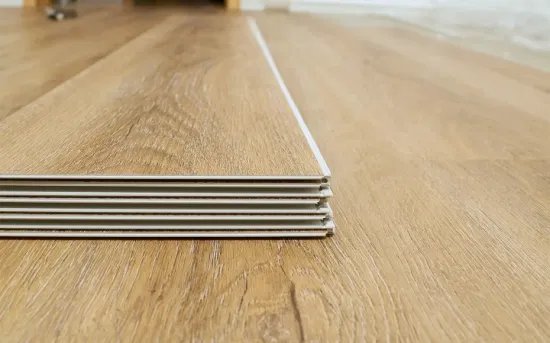
Patience is the currency of the connoisseur. Before the first row is established, one must respect the 48-hour ritual of acclimation. This is the period where the planks find their equilibrium within the specific micro-climate of your home. It's a common, yet grave error to install materials directly from a sun-drenched transport vehicle where temperatures can reach extremes far beyond the inhabited state of the room. Instead, planks should be stored in small, flat stacks, ensuring each layer enjoys uniform exposure to the room's atmosphere. By maintaining a consistent temperature that mirrors the space's future inhabited state, you ensure that the material's dimensions are stable before the click-lock SPC flooring installation begins.
Architecting the Expansion Gap
The beauty of a seamless floor relies, paradoxically, on the presence of hidden voids. Architecting a precise expansion gap around the perimeter of the room is essential for allowing the floor to breathe as seasons shift and cooling systems fluctuate. This gap, often obscured by elegant skirting, serves as a vital architectural safeguard against buckling. While an intimate residential suite may require a modest perimeter, expansive commercial halls or high-traffic gallery spaces demand more generous calculations to accommodate the cumulative movement of a larger surface area. Utilizing spacers as guardians of this essential void ensures that the floating floor remains perfectly flat and resilient against the inevitable shifts of our dynamic environment.
The Rhythmic Execution of a Flawless SPC Installation
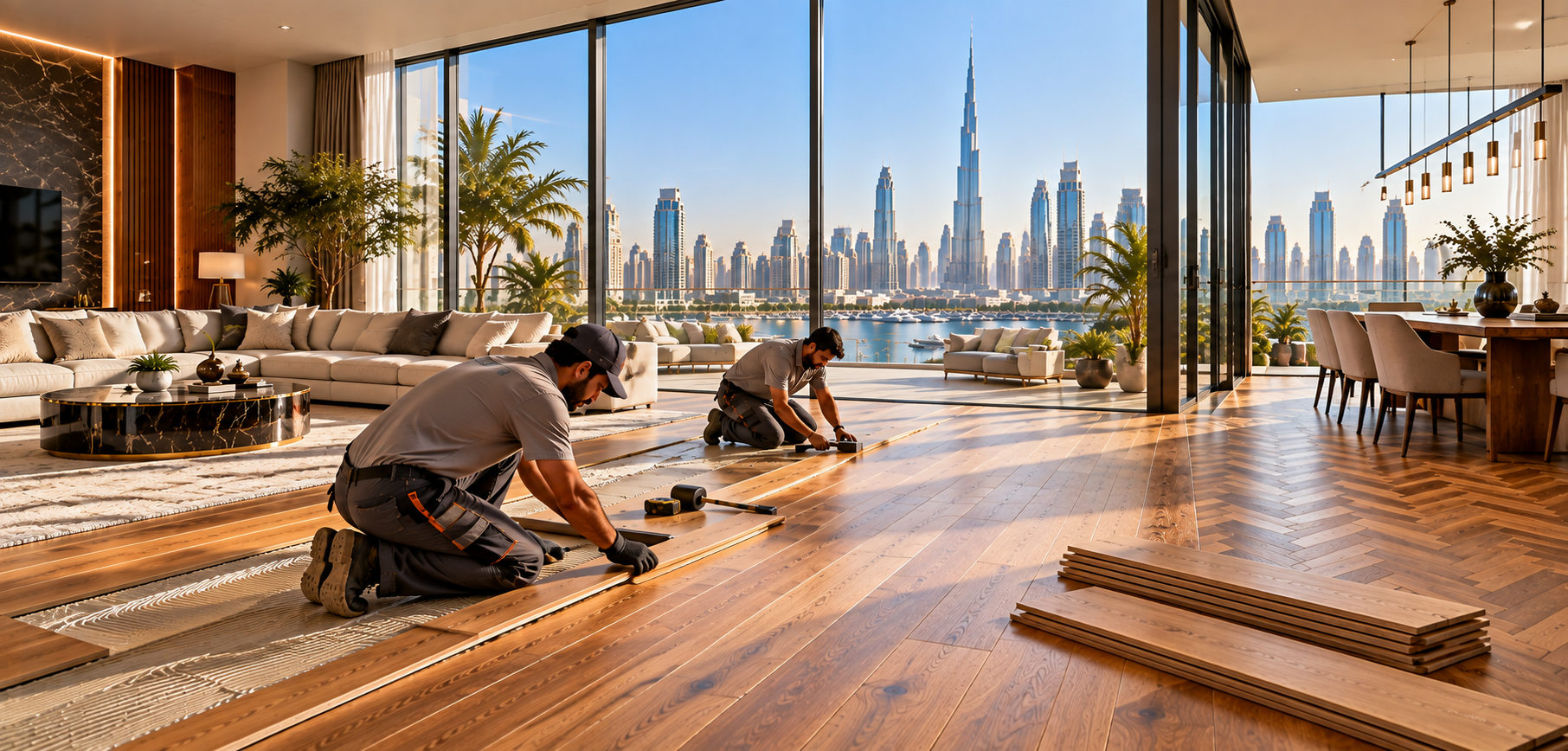
The physical act of a click-lock SPC flooring installation is a choreography of intent, beginning long before the first plank meets the substrate. It's a process that demands a curated layout plan, treating the room not as a mere void but as an architectural canvas with specific focal points and true dimensions. One must first establish the primary line of sight, often the longest unobstructed wall or a grand entrance, to ensure the floor's grain guides the eye with grace. After measuring the space's true dimensions, the first row commences with the tongue facing the wall, secured by the spacers we previously identified as guardians of the expansion gap. This initial row is the anchor, the definitive line upon which the entire room's symmetry depends.
As the work progresses, engaging subsequent planks at a precise angle becomes a rhythmic exercise in ensuring a hermetic seal. Each click is a confirmation of structural unity, a mechanical promise that the surface will remain impervious to the elements. To achieve a natural, non-repetitive flow, it's essential to stagger the end joints by at least 30cm. This deliberate variation prevents the predictable patterns that betray a lack of craftsmanship, ensuring the floor possesses the depth and character of a bespoke installation. If you're prepared to begin this transformative journey, you can buy SPC flooring that meets these exacting standards of beauty and resilience.
The Visual Narrative of Plank Staggering
Ensuring a sophisticated and bespoke appearance requires a keen eye for the visual narrative. One must avoid the 'stair-step' pattern, a common hallmark of hurried work, by mixing planks from multiple cartons. This practice harmonizes subtle variations in grain and hue, creating a rich tapestry that feels organic rather than manufactured. As you approach the opposite side of the room, careful calculation is required to ensure the final row is of sufficient width. A sliver of a plank at the finish not only compromises the floor's structural integrity but also disrupts the visual balance that a connoisseur demands.
Precision Cutting and Finishing Touches
The transition from a raw material to a finished artifact is defined by the precision of the cuts. Utilizing a professional cutter allows for the crisp, clean lines required to navigate door frames, pillars, and hearths. The art of 'scribing' planks to match the unique contours of the room's perimeter is where the installer's commitment to detail truly shines. Every cut should be a testament to the respect held for the material, ensuring that the floor meets the wall with a quiet, confident elegance that requires no apology. These finishing touches are the final brushstrokes on a masterpiece that will anchor your home for years to come.
Cultivating Longevity through Professional Finishing and Care
The final moments of a click-lock SPC flooring installation represent a quiet metamorphosis, where the raw energy of construction settles to reveal a curated sanctuary of refined taste. This transition is marked by the installation of the final trim, a process that requires the same artistic sensitivity as the initial laying of the planks. Choosing the correct skirting and profiles isn't a mere finishing task; it's an act of selecting the perfect frame for a masterpiece. These elements must complement the floor’s aesthetic heritage, bridging the gap between the horizontal expanse of the Stone Plastic Composite and the vertical architecture of the room. Zia and Sagor Carpets Trading LLC views this phase as a sacred trust, acting as your partner in maintaining an enduring artifact that remains the emotional core of your home for generations.
A successful click-lock SPC flooring installation deserves a maintenance philosophy that respects the material's sophisticated composition and technical resilience. Once the perimeter is secured and the thresholds are set, the focus shifts from the labor of creation to the ritual of preservation. This stage is where the connoisseur’s touch is most evident, as the choices made now determine how the floor ages and interacts with the shifting light of the space. By adopting a gentle, rhythmic approach to care, you protect the intricate details of the grain and the structural integrity of the rigid core from the wear of daily life.
The Elegance of Thresholds and Skirting
Selecting T-moldings and reducers provides a seamless bridge between different flooring narratives, allowing for a graceful transition from one room to the next without disrupting the visual flow. It's vital to ensure that skirting is fastened exclusively to the wall, never to the floor, to preserve the floating system's essential mobility that we established during the layout phase. This technical detail allows the floor to breathe and shift in response to the environment without the risk of buckling. For those seeking stylistic inspiration to complete their vision, you'll find a wealth of aesthetic possibilities and technical insights in our guide on SPC Flooring in Dubai.
Preservation and Maintenance for the Modern Connoisseur
Adopting a gentle cleaning regimen is paramount for protecting the high-performance wear layer that guards the floor’s design. One should utilize only pH-neutral solutions, avoiding harsh chemicals or abrasive tools that might dull the vibrancy of the surface over time. The application of felt protectors on the legs of your curated furniture pieces is another essential ritual, preventing the disruption of the floor's pristine surface by heavy loads. As you look toward the future, you might explore the artisanal durability of our Vinyl Flooring collections for other areas of your residence, ensuring a consistent standard of beauty and resilience throughout your entire living environment.
Envisioning Your Architectural Foundation
A residence of distinction is defined by the integrity of its details, where the journey from a raw substrate to a finished masterpiece reflects the patience of a true collector. We have moved beyond the mere mechanics of assembly, understanding instead that a successful click-lock SPC flooring installation is a rhythmic dialogue between material science and environmental wisdom. From the initial pursuit of absolute planarity to the final selection of wall-fastened skirting, every decision reinforces a commitment to a home that transcends fleeting trends. This meticulous approach ensures that your flooring remains a silent, enduring anchor, providing a sense of permanence within our dynamic landscape.
Since 2010, Zia and Sagor Carpets Trading LLC has served as a dedicated guardian of aesthetic excellence, offering a curated selection of high-performance rigid core materials tailored for the GCC. Our expert installation specialists bring specialized knowledge to every project, ensuring that your vision is realized with the precision it deserves. We invite you to discover the exquisite SPC collections at Zia and Sagor Carpets Trading LLC and elevate your home's foundation. Step into a space where every footfall resonates with quality and every room tells a story of unparalleled beauty.
Frequently Asked Questions
Can click-lock SPC flooring be installed over existing ceramic tiles?
Yes, you can install these rigid core planks over existing ceramic tiles, provided the surface is structurally sound and exceptionally level. Any deep grout lines or imperfections must be rectified with a high-compression leveling compound to ensure a perfectly flat canvas. This approach avoids the labor of demolition while providing a fresh architectural foundation for your home.
How long should I allow the SPC planks to acclimate before the installation begins?
You should respect a mandatory 48-hour ritual for acclimation, allowing the planks to find their equilibrium within the room’s specific micro-climate. During this period, the material adjusts to the ambient temperature and humidity of your interior sanctuary. This patience prevents the subtle shifts that can occur when materials are introduced to a new environment too quickly.
Is a separate underlayment required for SPC flooring with a pre-attached pad?
A separate underlayment is typically discouraged when your planks feature an integrated acoustic pad. Adding an additional layer can create excessive cushioning, which may compromise the delicate interlocking joints of your click-lock SPC flooring installation over time. The pre-attached pad is specifically engineered to provide the ideal balance of support and sound dampening.
What is the ideal expansion gap for a large open-plan space in the UAE?
For expansive open-plan spaces, an expansion gap of 8mm to 10mm around the entire perimeter is considered the architectural standard. This essential void allows the floating floor to breathe as seasons shift and internal cooling systems cycle. Without this hidden safeguard, the floor could succumb to the pressures of thermal expansion, leading to unwanted buckling or peaks.
Can I use a steam mop on my newly installed click-lock SPC floor?
The use of a steam mop is strictly discouraged as the intense heat and pressurized moisture can undermine the structural integrity of the planks. Instead, embrace a gentle maintenance philosophy using a damp microfiber cloth and a pH-neutral solution. This careful approach protects the wear layer and preserves the floor's depth of color and natural texture for years.
How do I replace a single damaged plank in the middle of a click-lock floor?
Replacing a single plank requires a meticulous surgical approach, involving the careful removal of the damaged artifact with a professional cutter. Once the area is cleared, the new plank's tongue must be precisely trimmed and secured with a specialized adhesive. This process restores the visual narrative of the floor without requiring the disassembly of the entire room.
Is click-lock SPC flooring suitable for areas with high moisture, such as kitchens?
SPC flooring is an exemplary choice for moisture-prone areas like kitchens due to its limestone-rich, waterproof core. It provides the aesthetic warmth of natural materials while remaining impervious to the spills and humidity inherent in culinary spaces. This resilience ensures your floor remains a stable and beautiful anchor for the most active rooms in your home.
Do I need professional tools like a tapping block and pull bar for installation?
Professional tools such as a tapping block and pull bar are essential for achieving a hermetic seal during a click-lock SPC flooring installation. These instruments allow you to apply precise, horizontal force to engage the locking mechanisms without marring the edges of the planks. Utilizing the correct tools is a hallmark of the connoisseur's commitment to technical excellence and artisanal quality.