Could the very warmth intended to make your home a sanctuary become the silent undoing of your most prized interior elements? For the discerning homeowner in the Emirates, the quest for the best flooring for underfloor heating is often clouded by the quiet anxiety of watching a hand-selected parquet warp or a lush carpet stifle the gentle rise of thermal energy. It's a delicate dance between the technical requirements of 2026 energy standards and the desire for a surface that feels like a piece of curated art beneath your feet.
This guide serves as your personal curator, unveiling the mysteries of TOG ratings and thermal resistance to reveal how you can achieve a home that radiates both warmth and luxury. You'll discover the precise criteria for selecting between the resilient beauty of SPC, the timeless heritage of engineered wood, and the soft embrace of wall-to-wall carpets. We'll explore how to ensure your foundation remains structurally sound for decades while meeting the latest efficiency standards that now define the most,7
- Align your vision with the 2026 thermal regulations to guarantee that your flooring serves as a lasting narrative foundation for a home defined by comfort and historical integrity.
Table of Contents
The Science of Thermal Elegance: Why Conductivity Matters
The floor is the emotional and thermal anchor of the modern living space; it's a silent foundation that dictates the very atmosphere of a home. To select the The Science of Thermal Elegance is to understand the invisible dialogue between material and energy. Thermal conductivity is the measure of this conversation, representing the ease with which heat travels from the subfloor to the soles of your feet. While a collector might admire the grain of a timber plank or the texture of a stone-core composite, the true connoisseur looks deeper into the molecular ability of these materials to serve as a bridge for warmth.
Efficiency in a heated home relies heavily on Thermal Resistance, measured in TOG. In this specialized field, a lower rating is a mark of excellence. High resistance acts as a barrier, a stubborn gatekeeper that forces your heating system to work harder, consuming more energy while offering less comfort. To maintain the structural integrity of your home and the health of your heating system, the total build-up of your flooring and underlay shouldn't exceed 2.5 TOG. This limit ensures that the gentle rise of heat remains unobstructed, allowing the room to reach a state of perfect thermal equilibrium without strain.
Understanding TOG Ratings and Heat Flow
Calculating the thermal profile of your room is a rhythmic process of addition. You must combine the TOG of your chosen floor finish with the rating of the underlay beneath it. For those seeking the best flooring for underfloor heating, the individual material should ideally rest at a "sweet spot" of 1.5 TOG or lower. Exceeding this often leads to a sluggish response from your heat pump or boiler. Under 2026 regulations, which mandate a maximum water flow temperature of 55°C for new systems, every fraction of a TOG matters. A low-resistance floor allows these modern, efficient systems to flourish, radiating warmth with a quiet, effortless grace that preserves the longevity of the mechanical components.
Thermal Expansion: The Hidden Challenge
Heat is a transformative force that coaxes the molecular structure of all materials to shift and breathe. This expansion is a natural phenomenon, yet it requires a disciplined approach to installation to prevent the tragedy of warping or buckling. Acclimatisation is the essential period of patience where your flooring rests within the room's unique environment, finding its balance before it's permanently set. Most luxury finishes are designed to thrive at a maximum surface temperature of 27°C. Respecting this threshold ensures that your floor remains a masterpiece of stability, retaining its artisanal beauty through the coldest winters and the most rigorous thermal cycles.
The Connoisseur’s Choice: SPC and Vinyl as Thermal Masterpieces
In the evolution of interior design, Stone Plastic Composite (SPC) has emerged as a crowning achievement, blending the stoic resilience of stone with the refined grace of modern polymer science. It's often cited by experts as the best flooring for underfloor heating due to its limestone-infused heart, which possesses a rare ability to absorb and distribute heat with near-perfect uniformity. Unlike traditional materials that might resist the gentle embrace of thermal energy, SPC acts as a high-performance conductor, allowing the warmth of your system to permeate the room with a quiet, efficient elegance. It is a canvas of engineering that respects both form and function.
This technical brilliance is matched only by the aesthetic range of vinyl flooring Dubai, which offers a sophisticated synthesis of style and artisanal durability. There is a lingering myth regarding the release of fumes from synthetic materials, yet the modern collector knows that high-quality SPC adheres to stringent low-VOC standards. These floors are crafted to be as healthy for the air as they are pleasing to the eye, ensuring that your sanctuary remains a place of pure, untainted comfort. Choosing such a material is an investment in a home that breathes with you.
SPC Flooring: The Rigid Core Advantage
The limestone composite core is the secret to the remarkable thermal performance of SPC flooring Dubai. This dense foundation facilitates rapid heat transfer, significantly reducing the time it takes for a room to reach its desired temperature. Beyond its thermal properties, this rigid core provides an anchor of stability that is particularly vital in national climates where humidity can fluctuate. It doesn't expand or contract with the same volatility as natural timber, maintaining its flawless silhouette even when subjected to the constant cycles of an active heating system. It remains poised and perfect, year after year.
Luxury Vinyl Tiles (LVT) and Heat Retention
Luxury Vinyl Tiles provide a sensory experience that mimics the intricate textures of natural materials while offering a uniquely soft-touch thermal profile. When selecting your LVT, the choice between click-system and glue-down is a matter of both convenience and conductivity. Glue-down options often provide superior thermal contact with the subfloor, eliminating the tiny air pockets that can act as unintended insulators. To preserve the depth of color and the texture of your floor, maintenance should be a rhythmic practice of gentle care. Avoid harsh chemicals that might dull the surface; instead, treat your floor with the same reverence you would a piece of fine art. If you seek a foundation that truly reflects your taste, explore our curated collection of rigid core masterpieces.
The Warmth of Heritage: Navigating Wood and Parquet
For centuries, wood has served as the narrative foundation of the home, offering a tactile and visual connection to the natural world that few other materials can replicate. There is a persistent misconception that the introduction of modern warmth through underfloor systems necessitates the abandonment of this historical heritage. This is simply not the case. While timber is naturally an insulator, certain preparations and constructions allow it to become the best flooring for underfloor heating, provided you prioritize structural stability over raw, untreated planks. The secret lies in selecting a material that respects the laws of thermodynamics as much as it does the principles of fine design.
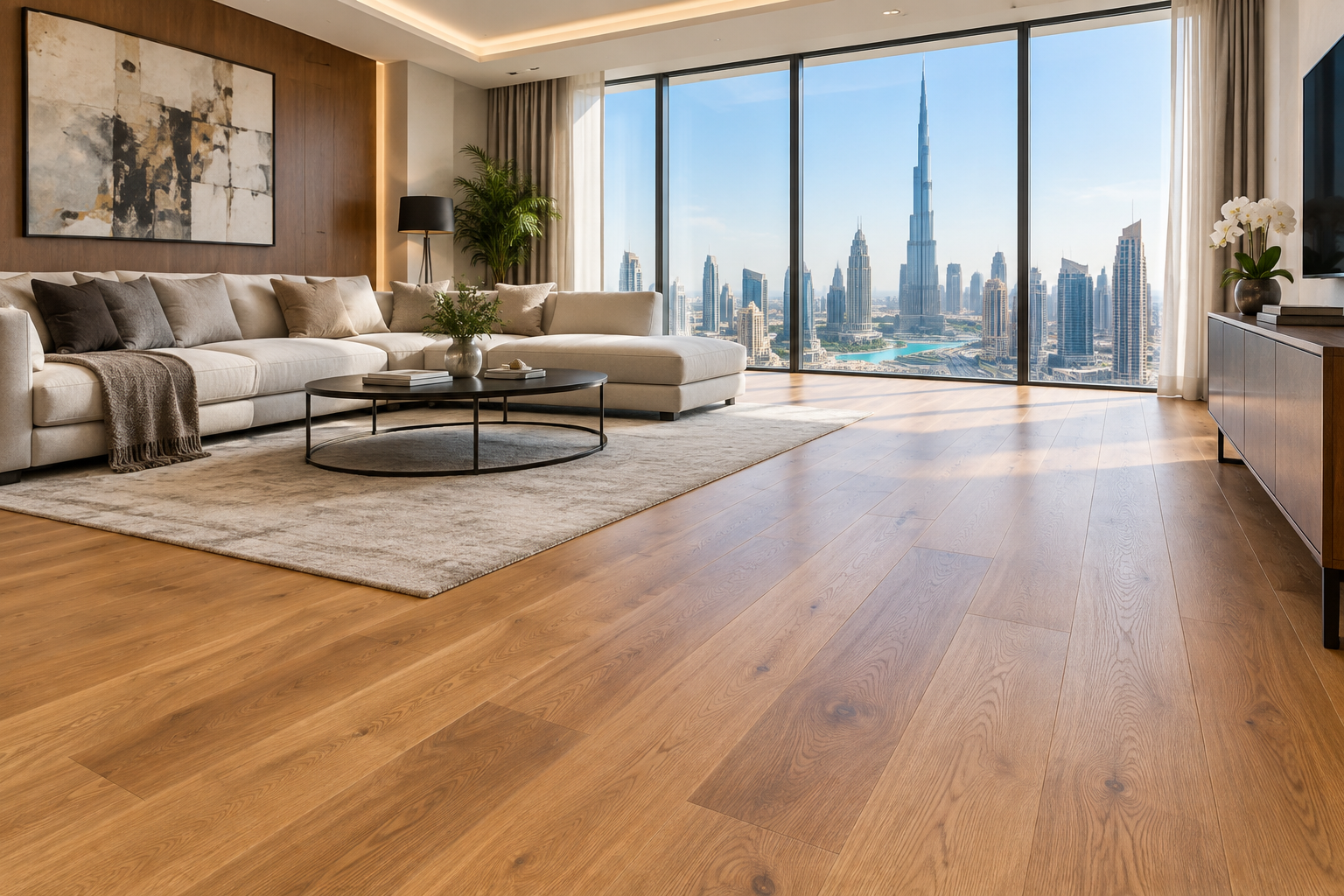
In the upscale villas of the region, the choice of wooden flooring Dubai represents a commitment to a timeless aesthetic that bridges the gap between traditional craftsmanship and contemporary comfort. The density of the wood plays a critical role here. Denser woods, like oak or walnut, possess a superior ability to store and slowly release heat, creating a gentle and consistent warmth that lingers long after the system has cycled down. It's a slow, appreciative release of energy that mirrors the patient nature of the material itself.
Engineered Wood vs. Solid Timber
Solid timber is a living, breathing entity that reacts to heat with a restlessness that can lead to gaps or warping. This "insulation effect" often traps heat beneath the boards, which can lead to system overheating and the eventual undoing of the wood's structural poise. Engineered wood, however, is a masterpiece of balance. Its cross-layered construction acts as a series of counterweights, holding the plank in a state of permanent stability despite the rising temperatures below. To achieve the most responsive heat-up times, aim for a thickness between 15mm and 18mm. This range provides the necessary depth for artisanal durability while ensuring the warmth reaches the surface without unnecessary delay.
Artisanal Parquet Patterns and Thermal Integrity
Artisanal patterns like Herringbone and Chevron are more than just visual motifs; they are intricate puzzles that require a disciplined approach to installation. When these patterns interact with underfloor heating, the quality of the adhesive becomes the silent guardian of the floor's integrity. You must use high-quality, heat-resistant adhesives that can withstand the subtle expansion of the wood. Before the first plank is laid, it's vital to ensure the moisture content of the timber is strictly between 6% and 9%. This careful calibration prevents the heartbreak of shrinkage or movement once the heating is engaged, allowing your parquet to remain a flawless cultural artifact within your living space.
Textile Elegance: When Carpets and UFH Coexist
There is a profound, almost primal comfort in the sensation of a plush textile beneath one's feet, particularly when that surface radiates a gentle, consistent warmth. For many, the bedroom is a sanctuary where the tactile allure of a fine carpet is non-negotiable. Yet, a persistent myth suggests that these luxurious fibers act as a thermal blockade, rendering radiant heating ineffective. In reality, textiles don't block heat; they simply slow its ascent. When curated with technical insight, the best flooring for underfloor heating can certainly include high-end carpets, creating a sensory experience that combines the softness of a loom-woven masterpiece with the sophisticated efficiency of modern climate control.
The secret to this harmony lies in the concept of thermal resistance. While a stone or SPC surface provides immediate heat transfer, a carpet acts as a thermal reservoir, holding the warmth within its fibers and releasing it with a slow, appreciative rhythm. This creates a living space that feels deeply anchored and inviting, especially during the quiet hours of the evening. By selecting materials that respect the 2026 efficiency standards, which often limit water flow temperatures to 55°C, you ensure your home remains a haven of both beauty and peak performance.
The TOG Rule for Luxury Carpets
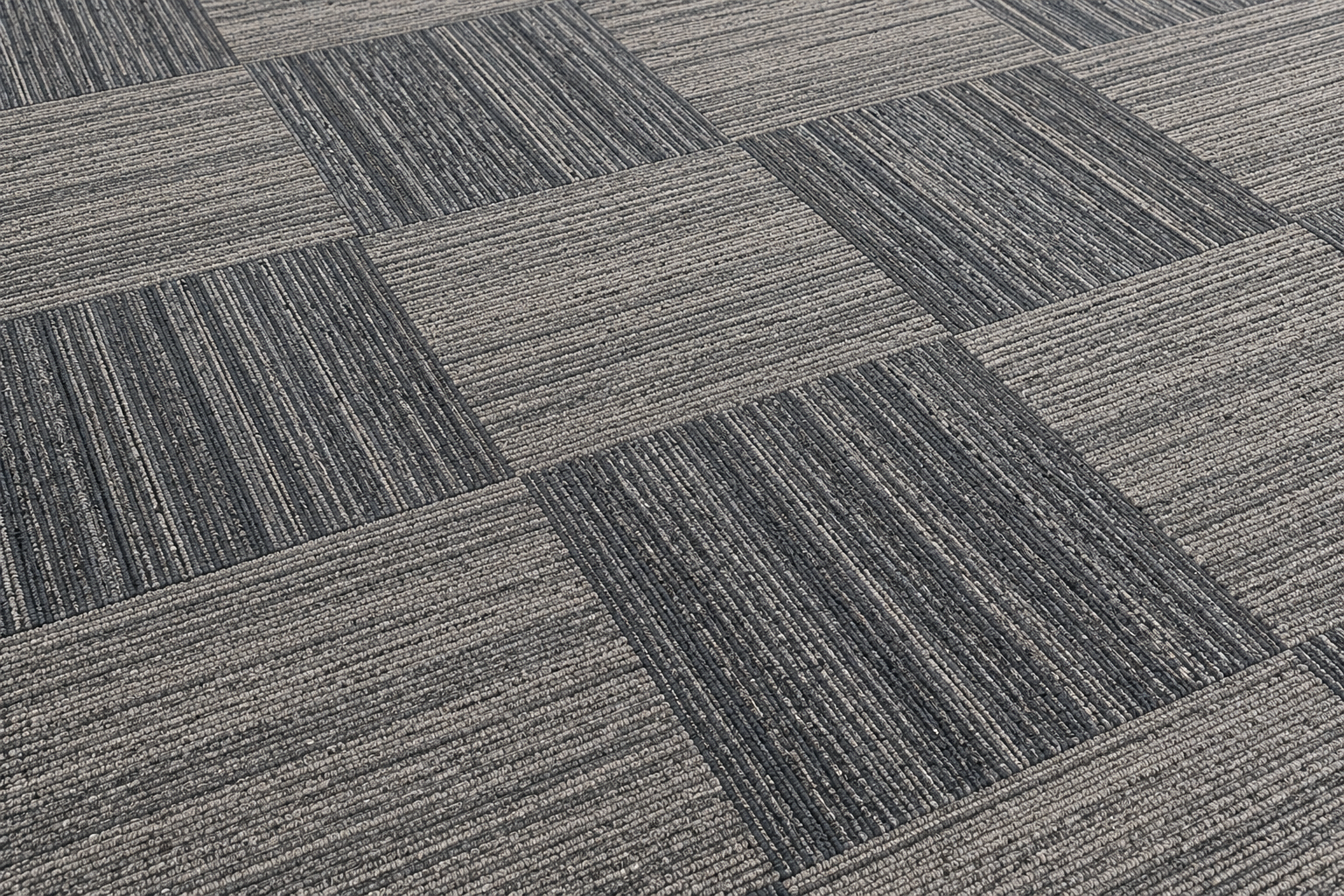
To maintain the integrity of your heating system, you must adhere to the disciplined mathematics of TOG ratings. The official standard dictates that the combined thermal resistance of your carpet and underlay shouldn't exceed 2.5 TOG. For the carpet itself, a rating of 1.5 TOG or lower is the ideal threshold, allowing heat to permeate the surface without forcing the system into a state of overexertion. Hessian-backed carpets are the superior choice for the connoisseur, as their open-weave structure facilitates a more fluid heat flow compared to the dense, insulating nature of foam-backed alternatives. Selecting a pile height that's lush yet manageable ensures the warmth isn't trapped, but rather invited to circulate through the room.
Hand-Tufted Artistry and Thermal Performance
Natural wool, the foundation of many hand-tufted carpets, possesses a unique molecular structure that's inherently breathable. This makes bespoke, hand-tufted pieces an excellent partner for underfloor systems, provided the backing is carefully considered during the design phase. These artisanal creations offer a depth of color and a richness of texture that synthetic alternatives rarely match, serving as a cultural artifact within the home. To preserve the delicate fibers and the historical significance of the motifs, it's essential to maintain a consistent, moderate heat rather than subjecting the textile to sudden thermal shocks. If you're ready to anchor your room with a transformative element, we invite you to browse the curated selection at Zia and Sagor Carpets Trading LLC, featuring our wall-to-wall carpets and hand-tufted masterpieces.
Curating Your Installation: Ensuring Lasting Excellence
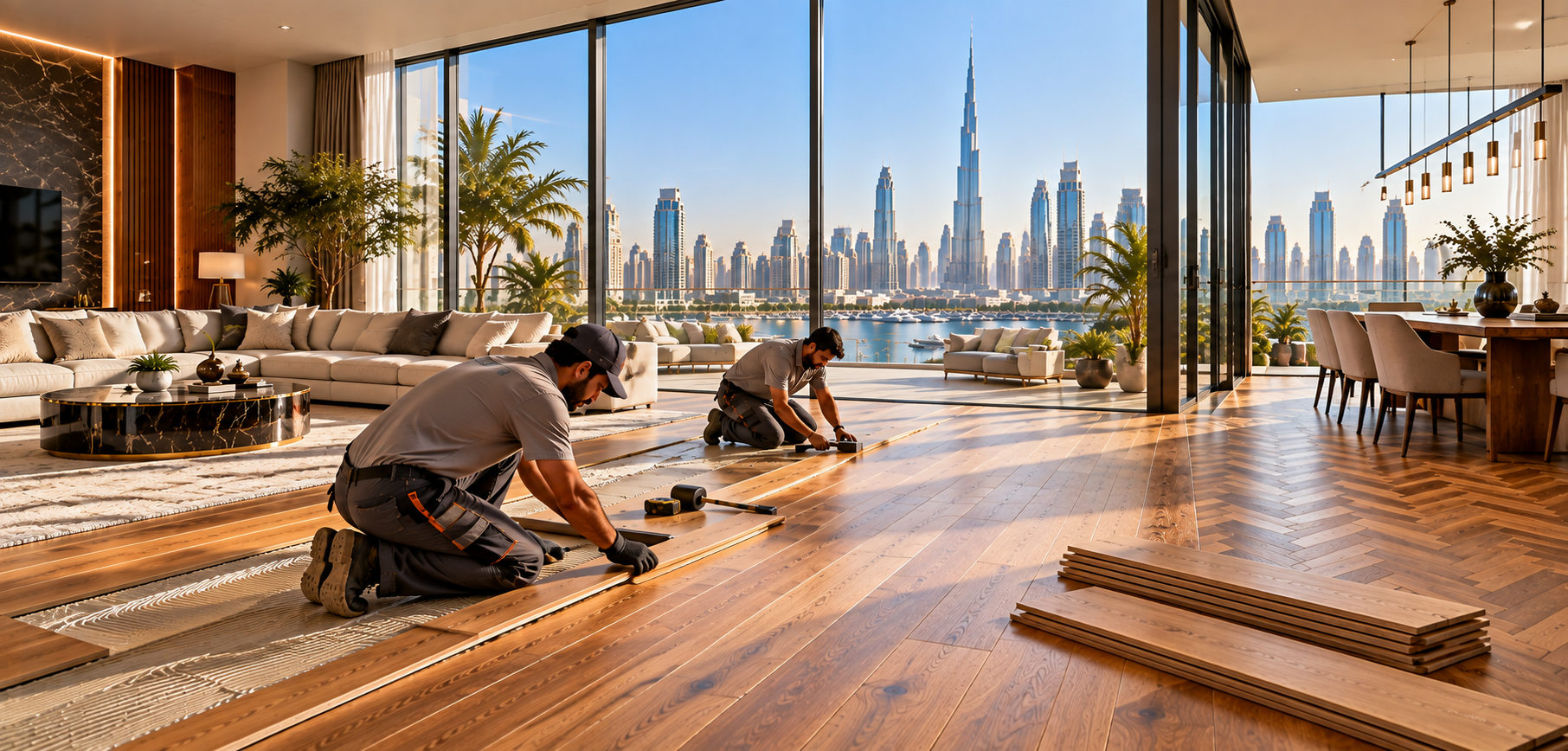
The selection of the best flooring for underfloor heating is but the first movement in a grand architectural symphony; the true crescendo lies in the meticulous curation of the installation process. Even the most exquisite material, whether it's a stone-core composite or a hand-tufted textile, requires a disciplined approach to fitting to ensure its thermal potential's fully realized. Zia and Sagor Carpets Trading LLC acts as the vital bridge in this journey, harmonising the supply of artisanal materials with the technical precision of a master craftsman to create a floor that's both a thermal masterpiece and a lasting legacy. In a region defined by its unique environmental demands, this commitment to quality ensures your chosen finish remains a permanent fixture of beauty, unaffected by the local climate or the rhythmic cycles of heat.
This synergy between the sub-floor and the final finish is the invisible foundation of a successful home. A professional installation does more than just secure a plank or a carpet; it establishes a state of thermal equilibrium. By ensuring every layer of the build-up respects the laws of conductivity and resistance discussed earlier, you protect your investment from the quiet tragedies of warping, lifting, or inefficient energy use. It's a process that demands patience and a deep respect for the materials involved, reflecting the same care used to create the products themselves.
Sub-floor Preparation and Levelling
The sub-floor's the silent partner in your home's thermal dance, and its preparation's a ritual that can't be rushed. Before any luxury finish is laid, the screed must be perfectly dry, a state that often requires specialized testing to confirm. Any lingering moisture can be drawn upward by the heating system, leading to structural instability in wood or vinyl. To enhance the bond between the underfloor heating elements and the surface, the application of thermal primers is essential. These specialized solutions ensure a seamless connection, eliminating the air pockets that act as unintended insulators. During this phase, a knowledgeable installer will also check for "hot spots," those localized areas of intense heat that could damage delicate artisanal fibres or cause uneven expansion in rigid cores.
The Final Commissioning of Your System
The final commissioning of your system's a ritual of patience known as the "slow-start" rule. Once your flooring's expertly fitted, the temperature should be increased gradually over a period of 72 hours, allowing the materials to acclimatise to their new thermal environment without shock. This disciplined approach preserves the molecular integrity of the floor, ensuring it retains its flawless silhouette for decades. Regular maintenance checks are equally important, serving as a contemplative engagement with your home's systems to ensure thermal efficiency's maintained at its peak. When you're ready to transform your living space into a sanctuary of radiant warmth and unparalleled beauty, we invite you to Explore our curated collection of UFH-ready flooring and begin your journey toward lasting excellence.
Transcending the Ordinary: Your Path to Radiant Luxury
Selecting the best flooring for underfloor heating is more than a technical decision; it's an act of curating your home's very soul. We've explored how the dense, stone-core heart of SPC provides a superior thermal canvas, while engineered wood and breathable textiles offer a bridge between heritage and modern comfort. By understanding the disciplined mathematics of TOG ratings and the necessity of precise installation, you ensure that your sanctuary remains a place of enduring beauty and peak efficiency. Each layer of your home's foundation should reflect a commitment to quality that transcends fleeting trends.
Since 2010, Z&S Carpets has served as an authoritative curator of GCC flooring trends, specialising in the synthesis of SPC, luxury vinyl, and artisanal textiles. Our experts don't simply fit floors; they anchor rooms with materials that respect both history and innovation. We invite you to Discover the Perfect Thermal Canvas for Your Home at Z&S Carpets, where your vision of a warm, sophisticated living space becomes a tangible reality. Your home deserves a foundation that radiates excellence, and with the right technical planning, that masterpiece is within your reach.
Frequently Asked Questions
What is the maximum TOG rating for flooring with underfloor heating?
The official standard for a home's thermal build-up requires that the combined TOG value of the flooring and underlay must not exceed 2.5. For the flooring material itself, staying below 1.5 TOG is considered the ideal threshold for peak efficiency. This limit ensures that heat travels fluidly to the surface, allowing modern systems to operate effectively at the 2026 mandated maximum flow temperature of 55°C.
Can I use solid wood flooring with underfloor heating systems?
Solid wood is generally not recommended for use with underfloor heating because it is a natural insulator that reacts with significant volatility to temperature changes. The intense heat can cause solid planks to warp, shrink, or gap over time, compromising the floor's structural poise. Engineered wood serves as the superior alternative, offering the same heritage aesthetic with a cross-layered construction that remains stable under consistent thermal cycles.
Is SPC flooring better than laminate for heat conductivity?
SPC flooring is significantly more efficient than laminate for heat conductivity due to its dense, limestone-based core. While laminate relies on wood-fibre foundations that can act as a thermal barrier, the stone core of SPC acts as a high-performance conductor. This density allows it to absorb and radiate warmth rapidly, positioning it as the best flooring for underfloor heating for those prioritising a quick thermal response.
Will underfloor heating cause my vinyl floor to discolour or peel?
High-quality SPC and vinyl flooring are engineered to withstand radiant heat without discolouring or peeling, provided the surface temperature does not exceed the standard 27°C limit. These modern materials feature advanced wear layers that protect the artisanal finish from thermal stress. Professional installation and a disciplined "slow-start" period after fitting are essential to ensuring the material retains its visual integrity and structural bond for decades.
Do I need a special underlay for carpets with underfloor heating?
Yes, you must select a specialised underlay with a low TOG rating to ensure that warmth is not trapped beneath the carpet. Traditional thick underlays often act as unintended insulators, forcing the heating system to work harder for less reward. A dense, high-conductivity underlay designed for radiant heat will facilitate a more rhythmic energy flow, allowing the plush softness of your textile to become a true thermal asset.
How long should I wait after installation before turning on the heating?
You should typically wait between 48 and 72 hours after the final floor finish is laid before engaging your heating system. This period allows adhesives and levelling compounds to cure fully, establishing a permanent bond with the subfloor. Once this time has passed, the temperature should be increased gradually over several days to prevent thermal shock, a patient practice that protects the molecular stability of your investment.
Does underfloor heating work with hand-tufted or bespoke carpets?
Hand-tufted and bespoke carpets, particularly those woven from natural wool, are exquisitely suited for underfloor heating due to their inherent breathability. Wool fibres allow heat to permeate the surface with a gentle grace, creating a sensory experience that combines textile luxury with consistent warmth. By ensuring the carpet backing is not overly dense and the underlay is technically compatible, these cultural artifacts can thrive as the emotional core of a room.
What is the best flooring for underfloor heating in high-traffic commercial areas?
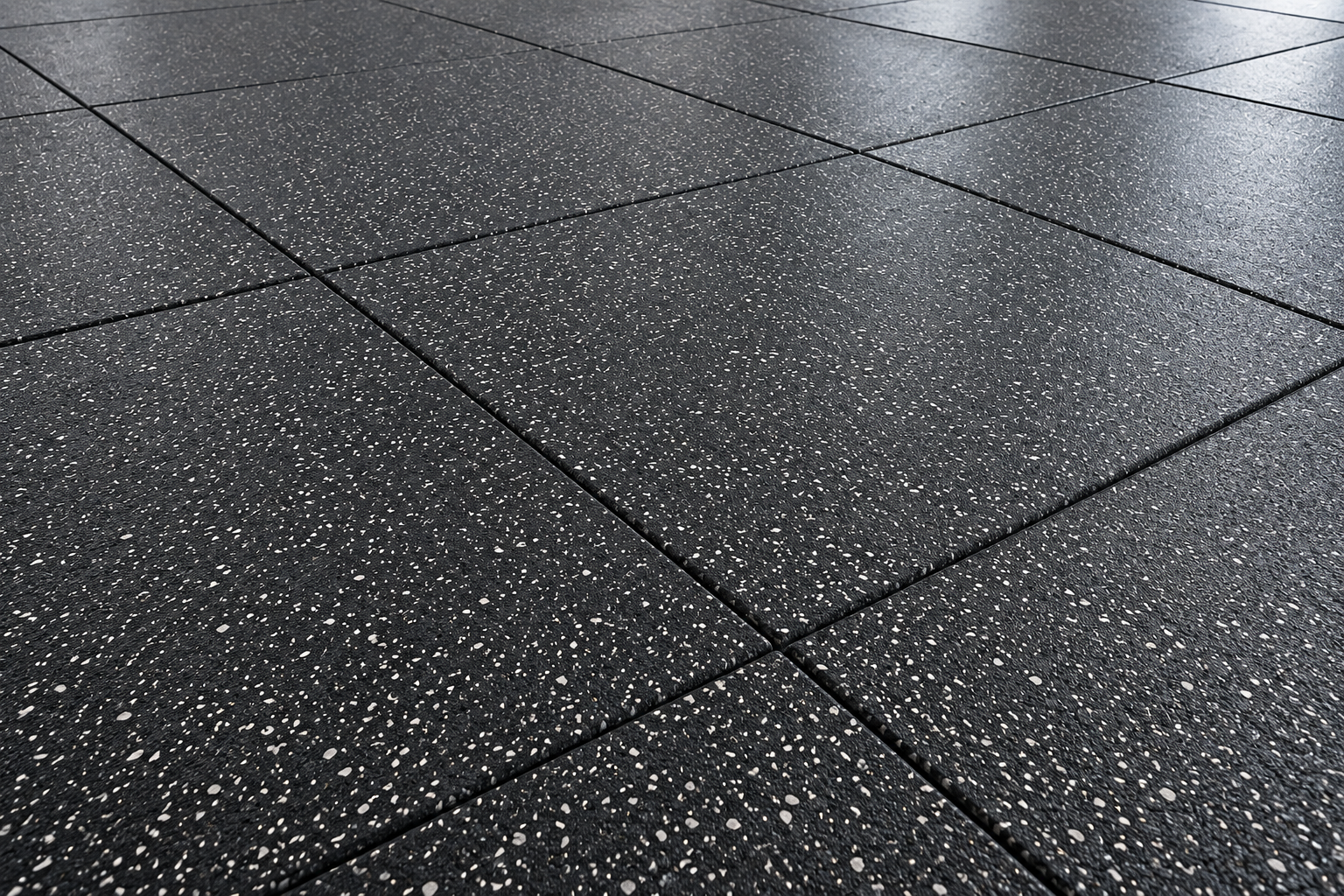
SPC flooring and specialised rubber flooring are the most resilient choices for high-traffic commercial environments where underfloor heating is present. These materials offer an unparalleled combination of industrial durability and high thermal conductivity, ensuring the surface remains stable under heavy footfall. For settings such as offices or healthcare facilities, these options provide a hygienic, high-performance foundation that respects both the aesthetic and technical requirements of a large-scale modern space.