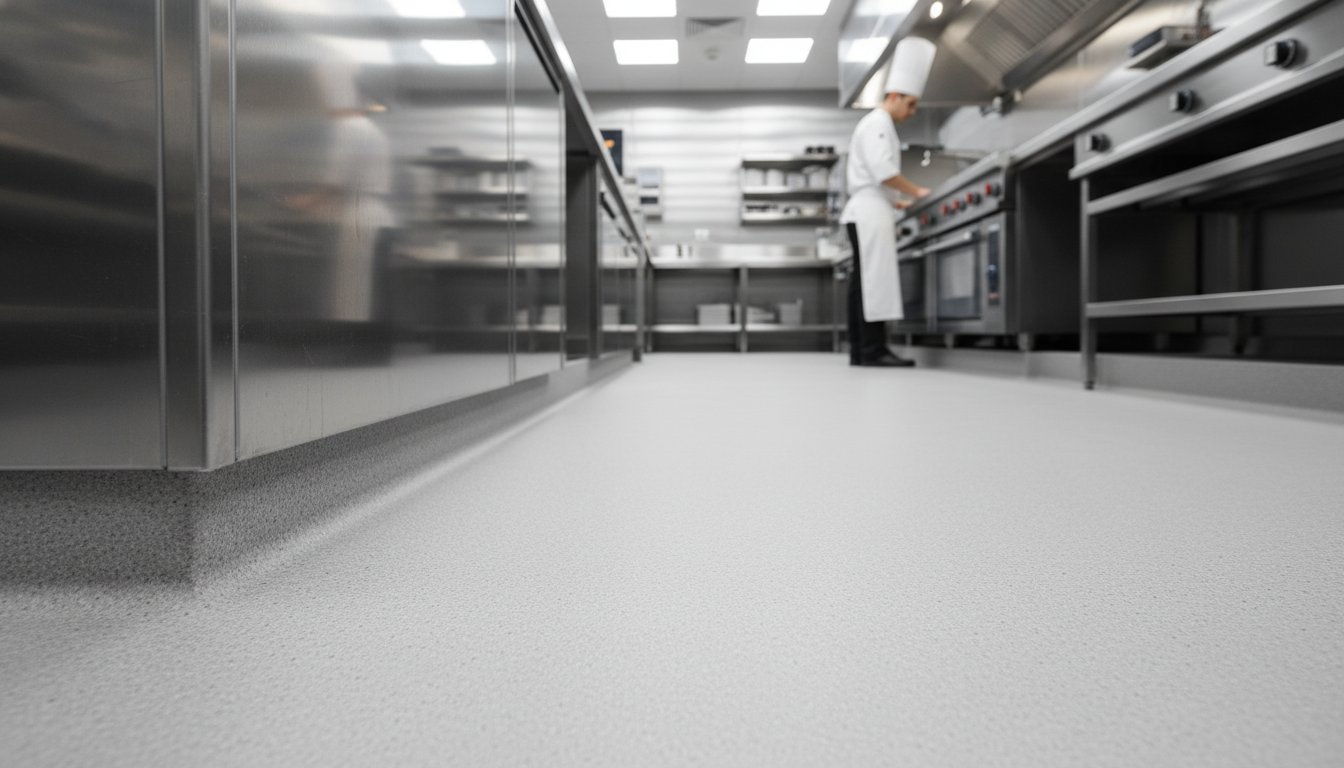
The foundation of a world-class kitchen is not found in its gleaming copper pans or its bespoke range, but rather in the very ground upon which its artisans stand. A single lapse in understanding the intricate flooring for commercial kitchens regulations can transform a culinary masterpiece into a liability, especially as the 2026 FDA Food Code introduces new benchmarks for retail food science. You understand the quiet anxiety of an impending inspection, where the nuance of a slip resistance rating or the integrity of a seam becomes the difference between operational excellence and a costly setback. It's a delicate balance to maintain, ensuring that your choice of material survives the brutal cycle of thermal shock and grease while retaining its refined character.
This guide serves as your curator, clarifying the technical necessities of modern health codes to protect your investment and your staff. You'll gain a clear perspective on mandatory coved base requirements and the non-negotiable need for non-absorbent, durable surfaces that meet ADA recommendations for safety. We'll examine how specialized vinyl and rubber flooring systems provide the resilience required for high-pressure shifts, offering a sophisticated solution that marries rigorous compliance with the timeless elegance your professional space deserves.
Key Takeaways
- Discover how to navigate the complex tapestry of international HACCP standards and national mandates to ensure your culinary foundation remains beyond reproach during health inspections.
- Master the technical nuances of the R-Rating system and Pendulum Test Values to select a surface that ensures staff safety without compromising on artisanal beauty.
- Learn which high-performance materials, such as seamless vinyl and rigid SPC, best align with the 2026 flooring for commercial kitchens regulations for a hygienic and durable finish.
- Follow a meticulous step-by-step checklist to verify subfloor integrity and emission certificates, ensuring your installation is as technically sound as it is aesthetically pleasing.
- Understand the value of a precision-led installation philosophy that treats the selection of commercial surfaces as the curation of a lasting cultural artifact.
Table of Contents
The Imperative of Compliance: Understanding the Regulatory Tapestry for Commercial Kitchens
In the high-stakes environment of a professional kitchen, the floor is far more than a utility; it's the foundational canvas upon which the art of gastronomy is performed. A mastery of flooring for commercial kitchens regulations isn't merely a legal obligation but a deep commitment to the integrity of the culinary craft. These mandates represent a sophisticated intersection of international food safety standards and precise national building codes. When a health and safety inspector enters your sanctuary, their gaze falls first upon the surface beneath your feet. The floor acts as the primary sentinel against the invisible threats of microbial growth and cross-contamination. Adherence to these refined flooring for commercial kitchens regulations serves as the ultimate insurance for a culinary brand's reputation, ensuring that the theatre of the kitchen remains untarnished by the failures of its infrastructure.
The Core Pillars of Kitchen Flooring Regulations
Three non-negotiable elements define the architecture of a compliant floor. First, impermeability is essential; a non-porous surface prevents the absorption of organic matter, which would otherwise become a sanctuary for bacteria. Second, slip resistance must be curated with care, balancing the friction necessary for staff safety during a frantic service with a surface texture that remains easy to refine. Finally, coving requirements mandate a seamless transition where the floor meets the wall, eliminating the hidden dirt traps that compromise sanitary environment standards and invite regulatory scrutiny. With the 2026 updates to the FDA Food Code emphasizing retail food science, these technical details have become the hallmarks of a well-managed establishment.
HACCP and the Global Language of Food Safety
Hazard Analysis and Critical Control Points (HACCP) provide the international vocabulary for food safety, and your choice of surface is a critical control point in its own right. In 2026, the demand for material traceability and manufacturer certifications has reached a zenith, as discerning owners seek to prove the provenance of their environment. Achieving HACCP certification requires a floor that doesn't just look clean but is scientifically verifiable as a hygienic barrier. By selecting regulation-ready materials like high-grade vinyl or specialized SPC, you ensure that every square inch of your kitchen supports the rigorous demands of global safety protocols while maintaining the aesthetic soul of your establishment. This level of detail transforms a functional space into a masterpiece of compliant design.
The Technical Anatomy of a Compliant Culinary Foundation
Beyond the visual harmony of a well-appointed space lies a rigorous architecture of technical specifications, where every millimeter of the surface is engineered to endure. To truly master the flooring for commercial kitchens regulations, one must look past the surface aesthetic to the R-Rating system, the industry's definitive measure of slip resistance. While residential spaces might settle for lower grades, the professional kitchen demands the gold standard of R10 to R12, providing the necessary traction to navigate the viscous challenges of spilled oils and rapid movement. This technical precision is mirrored in the Pendulum Test Value (PTV), a vital metric in legal safety audits that quantifies the floor's ability to prevent accidents in both wet and dry conditions. These standards are not mere suggestions; they're the foundational requirements outlined in the FDA Food Code 2022, which mandates that surfaces remain smooth, durable, and easily cleanable under the most taxing circumstances.
The resilience of a floor is also tested by its ability to survive thermal shock, the violent expansion and contraction caused by extreme temperature shifts between searing ovens and walk-in freezers. A floor that lacks this internal fortitude will eventually succumb to cracking or delamination, compromising both safety and hygiene. Equally critical is chemical resistance, as the surface must remain indifferent to the aggressive advances of organic acids, animal fats, and the potent degreasers required for deep cleaning. For those seeking a foundation that marries this industrial strength with a refined finish, exploring high-performance vinyl flooring offers a path toward a compliant, yet beautiful, culinary environment.
Slip Resistance: The Science of the 'Safe Step'
The physics of safety in a high-pressure kitchen environment relies on the careful balance between static and dynamic coefficients of friction. The Americans with Disabilities Act recommends a minimum static coefficient of friction of 0.6, a benchmark that ensures staff can move with confidence even when the floor is inevitably introduced to moisture. Modern surfaces are engineered with a microscopic texture designed to disperse liquids effectively, maintaining this "safe step" throughout the floor's lifecycle. It's a commitment to safety that doesn't fade with the first deep scrub but remains a permanent feature of the material's DNA.
Hygiene and Antimicrobial Integrity
Hygiene in 2026 has evolved into a proactive science, with modern vinyl flooring often incorporating silver-ion technology to actively inhibit the growth of bacteria and fungi. This antimicrobial integrity is further bolstered by seamless welding techniques, which create a continuous, impenetrable surface. Unlike traditional grouting, which can harbor hidden "blooms" of contaminants, a welded seam ensures that the floor remains a fortress against infection. This structural unity allows the floor to withstand high-pressure steam cleaning, a necessary ritual for maintaining the pristine standards of a world-class kitchen without risking the integrity of the bond.
Curating the Ideal Surface: A Comparative Analysis of High-Performance Materials
Selecting the appropriate medium for a culinary workspace requires the discerning eye of a curator who understands that beauty must never compromise the strictures of flooring for commercial kitchens regulations. The floor is the silent partner in every service, a surface that must endure the rhythmic chaos of a high-pressure shift while remaining impeccably composed. In the modern era, high-performance materials have evolved beyond their industrial origins, offering a sophisticated palette that satisfies both the inspector's clipboard and the architect's vision. Whether you seek the fluid continuity of a seamless sheet or the unyielding strength of a rigid core, the choice of material dictates the long-term rhythm of your kitchen's life.
Vinyl Sheet: The Artisanal Choice for Seamless Hygiene
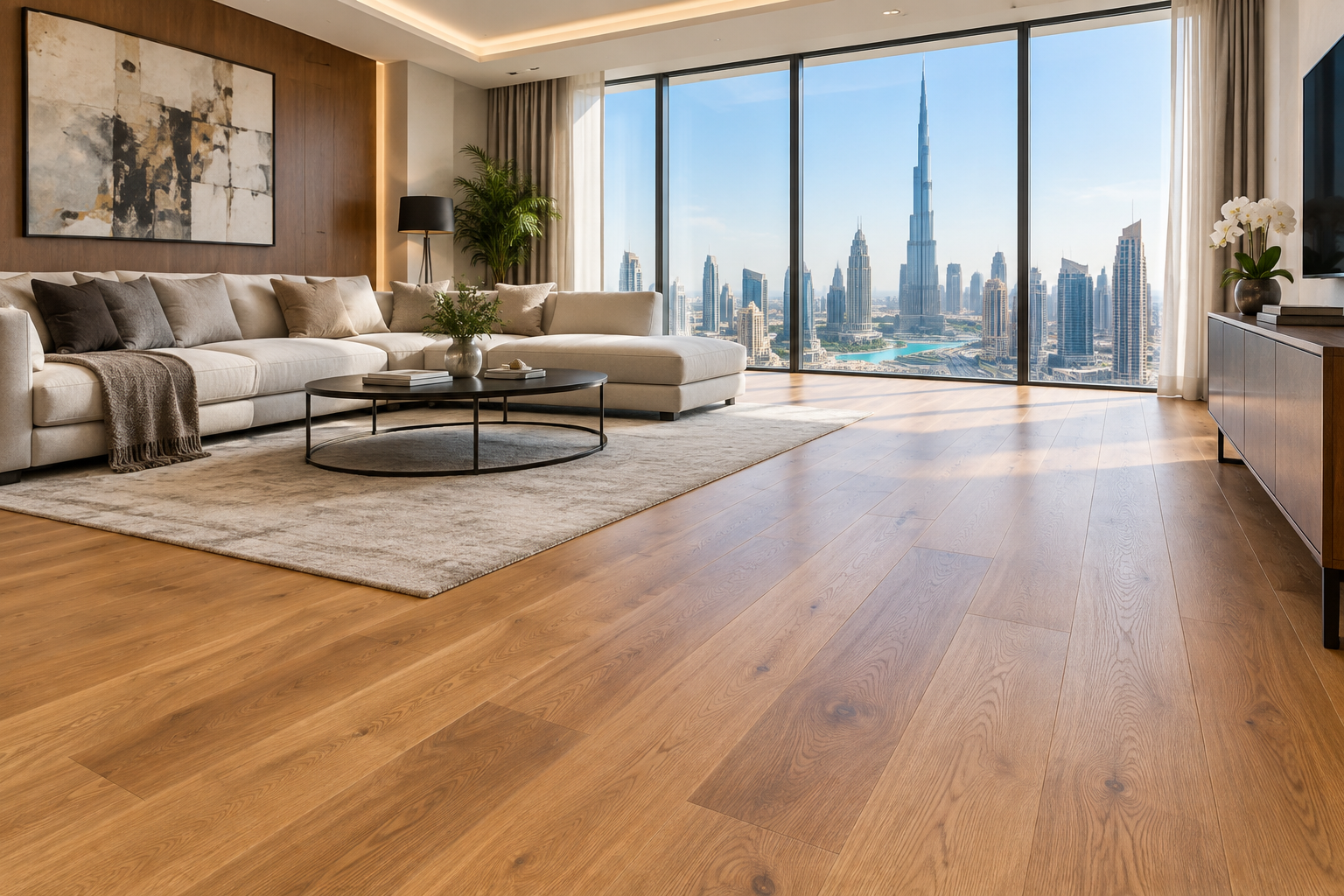
For many connoisseurs, high-grade vinyl flooring represents the pinnacle of functional art. It provides a continuous, impenetrable barrier against moisture, flowing across the room like a single, unbroken brushstroke. This seamless nature is its greatest virtue, as it leaves no sanctuary for the microscopic intruders that health audits seek to expose. Modern iterations of this material possess a remarkable aesthetic versatility, capable of mimicking the deep textures of aged stone or the warm grains of heritage wood while remaining entirely compliant with flooring for commercial kitchens regulations. In the high-traffic "Back of House" environment, its ease of repair ensures that the kitchen's operational flow is never interrupted for long, preserving both the floor's integrity and the establishment's grace.
SPC and Rigid Core: Strength Meets Regulatory Precision
When the environment demands a more robust constitution, particularly in areas where heavy equipment is frequently repositioned, SPC flooring emerges as the definitive choice. Its rigid stone-plastic composite core offers unparalleled dimensional stability, a crucial feature in kitchens where humidity levels fluctuate with the intensity of the service. Unlike traditional poured resins that require lengthy curing times, SPC can be installed with a swift precision that respects the value of a chef's time. This material doesn't just meet safety standards; it exceeds them by providing a surface that remains indifferent to the weight of industrial ranges and walk-in refrigerators. It's a testament to the belief that structural integrity can be as refined as any decorative finish.
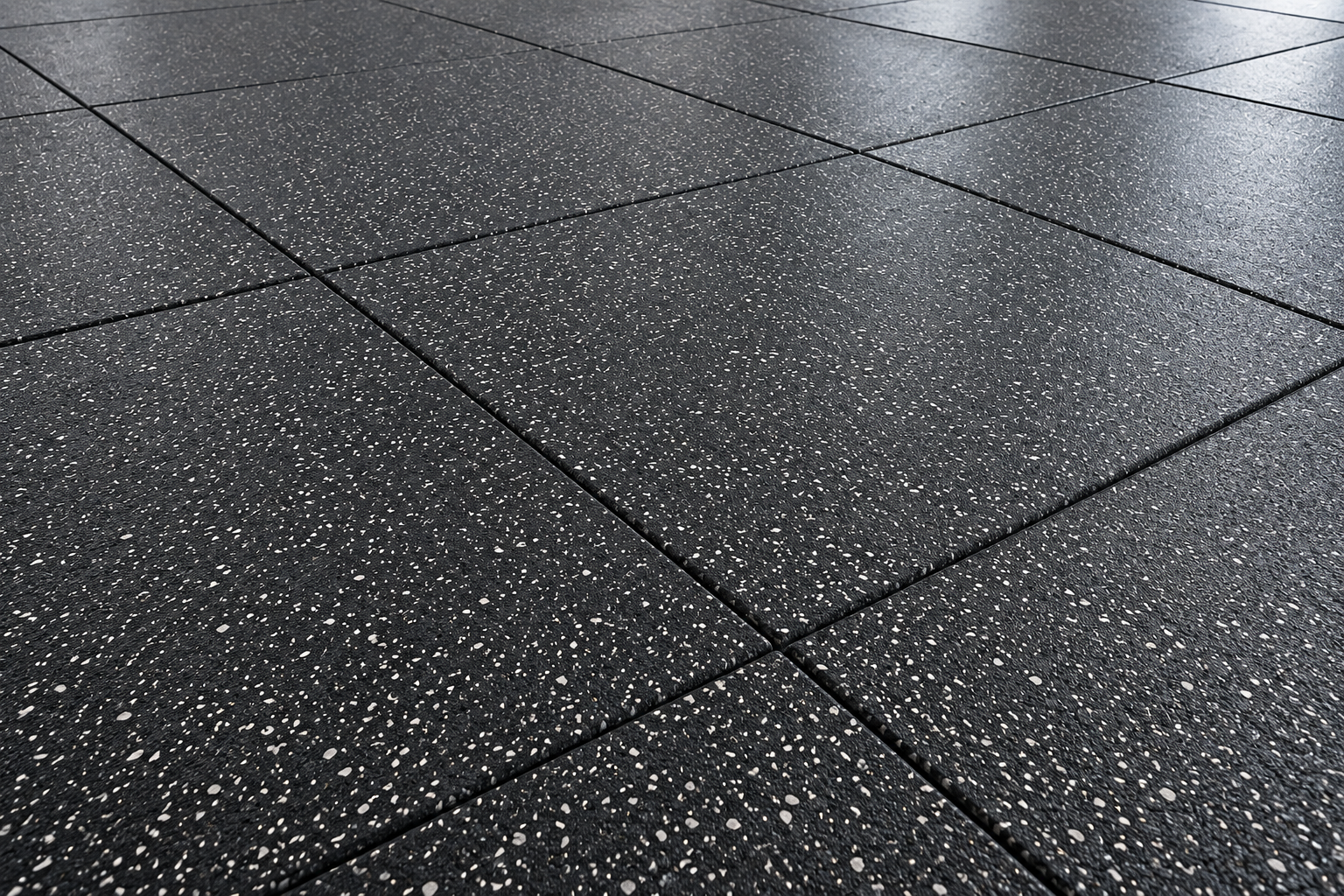
Beyond the rigid surfaces, rubber flooring offers a different kind of luxury: the luxury of comfort. It's the ergonomic choice for staff who dedicate their lives to the line, providing a cushioned response that reduces fatigue and preserves the well-being of the team. When evaluating the total cost of ownership, one must weigh the initial investment against the material's lifespan and the potential for reduced workplace injuries. Consulting local health department flooring guidelines reveals that while materials like quarry tile have long histories, modern vinyl and rubber systems often provide a more sustainable, easy-to-maintain alternative that honors the heritage of the craft while embracing the innovations of the future.
The Path to Certification: A Step-by-Step Compliance Checklist for 2026
The journey toward a certified culinary environment is a meticulous rite of passage, demanding a sequence of deliberate actions that begin long before the first roll of material is unfurled. Achieving a flawless transition into operational status requires a rigorous pre-installation audit of the subfloor, where moisture levels and structural integrity must be assessed with the precision of a master builder. It's here that the foundational success of your flooring for commercial kitchens regulations strategy is truly decided. Once the substrate is prepared, the focus shifts to a discerning selection of materials that bear the requisite fire ratings and VOC emission certificates, ensuring that your choice is as healthy for the atmosphere as it is resilient underfoot.
The actual installation protocol must be executed with an artisanal touch, particularly during the creation of the coved base and the heat-welding of seams. These elements must align perfectly with flooring for commercial kitchens regulations to eliminate any possibility of bacterial sanctuary. Following the completion of the work, a post-installation validation is essential; this involves documenting the slip resistance values for your permanent safety file. This documentation acts as a testament to your commitment to excellence, providing a layer of protection against future audits. For those ready to begin this meticulous process, you can view our collection of regulation-ready commercial flooring to find the ideal canvas for your kitchen.
Navigating the Inspection Process
During a walk-through, an inspector's eye is trained to find the smallest fracture in your defenses. They look for delaminated edges, compromised coving, or areas where the surface has lost its vital grip. The floor never lies. Common pitfalls, such as failing to maintain a cleaning log that adheres to the manufacturer's specific guidelines, can lead to punitive fines or the heartbreak of a closure order. A well-documented maintenance routine demonstrates a reverence for the material and a proactive stance toward safety.
Future-Proofing Your Flooring Choice
As environmental mandates evolve, the shift toward sustainable, low-VOC materials is no longer a choice but a strategic advantage. Choosing a floor that anticipates these shifts ensures your kitchen remains a sanctuary of health and safety for decades. Professional installation plays a silent but pivotal role here, securing the long-term warranties and compliance that protect your investment from the whims of changing legislation. This forward-thinking approach ensures that your culinary theatre remains both beautiful and beyond reproach as standards continue to rise.
Zia and Sagor Carpets Trading LLC: Orchestrating the Perfect Foundation for Your Culinary Vision
At Zia and Sagor Carpets Trading LLC, we believe that the soul of a professional kitchen is found in its foundation, a surface that must be as resilient as it is refined. We approach each project not as a mere industrial requirement, but as the curation of a culinary masterpiece. Our commitment to sourcing only the most elite materials ensures that every installation remains in perfect harmony with flooring for commercial kitchens regulations. Since 2010, our legacy has been defined by a deep respect for the architectural integrity of the culinary space, providing a bridge between the cold necessity of industrial standards and the warm, sophisticated atmosphere of a high-end establishment. We don't just provide a surface; we provide the stage upon which your culinary narrative unfolds.
The Zia and Sagor Carpets Trading LLC installation philosophy is rooted in a tradition of precision and discretion, recognizing that the creation of a great kitchen requires time, patience, and an uncompromising eye for detail. Our artisans treat each seam and coved base with the reverence of a restorer working on a delicate artifact. This meticulous approach ensures that your floor is not only a functional barrier against the rigors of service but also a lasting testament to quality. By choosing a partner who understands the intricate tapestry of flooring for commercial kitchens regulations, you're securing a foundation that protects your staff, satisfies the most discerning inspectors, and upholds the prestige of your brand.
A Partnership Beyond the Sale
Our relationship with our clients begins with a consultative selection process, where we tailor material choices to the specific rhythm of your kitchen's workflow and menu. Whether your environment demands the unyielding strength of SPC flooring or the seamless hygiene of high-grade vinyl, our expert teams are trained in the nuanced art of hygienic welding. We also recognize that the culinary experience extends beyond the kitchen doors. To ensure a cohesive aesthetic throughout your venue, we offer access to our curated collection of exhibition carpets and luxury finishes, allowing you to dress your Front of House areas with the same level of artisanal excellence found in your workspace.
Building the Emotional Core of Your Business
The right floor is far more than a technical specification; it's an investment in the morale and safety of the team that brings your vision to life. A secure, comfortable surface underfoot tells a story of care and uncompromising standards, anchoring the room in a sense of permanence and pride. The Zia and Sagor Carpets Trading LLC promise is to deliver a floor that serves as the emotional and narrative foundation of your business, one that transcends fleeting trends to offer lasting value and unparalleled beauty. We invite you to contact us today to begin your journey toward a culinary space that is as compliant as it is breathtaking.
Crafting Your Legacy Upon a Foundation of Excellence
The journey through the intricate tapestry of modern culinary architecture reveals that a floor is never merely a surface; it's the very soul of your operational theatre. By mastering the technical nuances of slip resistance and embracing the seamless elegance of high-performance materials, you've moved beyond simple compliance toward true artisanal mastery. The rigorous demands of flooring for commercial kitchens regulations in 2026 serve as a sophisticated blueprint for a workspace that honors both the safety of your artisans and the purity of your craft. Each choice you make, from the R-rating to the precision of a coved base, anchors your establishment in a tradition of quality that transcends the fleeting nature of trends.
Since 2010, Zia and Sagor Carpets Trading LLC has cultivated a legacy of GCC excellence, acting as a trusted curator for those who refuse to compromise on the integrity of their environment. Our expert installation teams specialize in the delicate art of seamless hygienic welding, ensuring your sanctuary remains beyond reproach during every inspection. We invite you to discover our curated collection of high-performance commercial flooring, featuring a refined selection of HACCP-compliant vinyl and SPC solutions. Step forward with the confidence that your foundation is as timeless and secure as the traditions you uphold.
Frequently Asked Questions
What is the minimum slip resistance rating required for a commercial kitchen floor?
The industry's definitive benchmark for professional kitchens is an R10 to R12 rating, which provides the necessary traction to navigate surfaces often introduced to oils and moisture. ADA guidelines further recommend a minimum static coefficient of friction of 0.6. These standards ensure that the floor remains a safe foundation for your artisans even during the most frantic periods of service.
Does the law require coving between the floor and the wall in a kitchen?
Health and safety mandates strictly require a coved base, typically extending 4 to 6 inches up the wall, to create a seamless and hygienic transition. This architectural detail is essential because it eliminates the sharp right angles where organic debris and bacteria might otherwise find sanctuary. A properly executed coved base is a hallmark of a compliant and meticulously managed culinary environment.
Can I use domestic vinyl flooring in a commercial kitchen setting?
Domestic vinyl is entirely unsuitable for professional use as it lacks the industrial-grade constitution required by flooring for commercial kitchens regulations. Professional surfaces must be non-porous and capable of withstanding the brutal cycle of thermal shock and aggressive chemical degreasers. Choosing a residential material is a compromise that leads to rapid degradation and inevitable regulatory failure.
How often should commercial kitchen flooring be inspected for safety compliance?
While local health departments typically conduct formal inspections twice a year, a discerning owner should perform internal safety audits every month. These self-evaluations allow you to identify minor issues, such as compromised seams or localized wear, before they escalate into significant liabilities. Maintaining a rhythmic schedule of inspection ensures your foundation remains as impeccable as your menu.
What are the fire safety regulations for flooring in industrial food preparation areas?
Commercial floors must adhere to specific fire safety standards, generally requiring a Class 1 or Class 2 fire rating to ensure the material does not contribute to the spread of flame. These ratings are verified through rigorous testing and are a critical component of your building's overall safety profile. It's a technical necessity that protects both the heritage of your brand and the lives of your team.
Is SPC flooring suitable for walk-in freezers and high-heat zones?
How does flooring impact HACCP certification for my restaurant?
Your choice of surface is considered a critical control point within the HACCP framework as it serves as the primary barrier against environmental contamination. A floor that is scientifically non-absorbent and easy to refine is vital for proving that your establishment can maintain a sterile environment. Achieving this certification requires a floor that supports the rigorous, data-driven demands of global food safety standards.
What is the average lifespan of a professionally installed commercial vinyl floor?
A high-quality commercial vinyl floor, when curated and installed by experts, typically offers a functional lifespan of 10 to 20 years. This longevity is dependent on adhering to the manufacturer's specific maintenance protocols and the intensity of the kitchen's workflow. It represents a lasting investment in your business, providing a beautiful and compliant canvas that endures as long as your culinary passion.