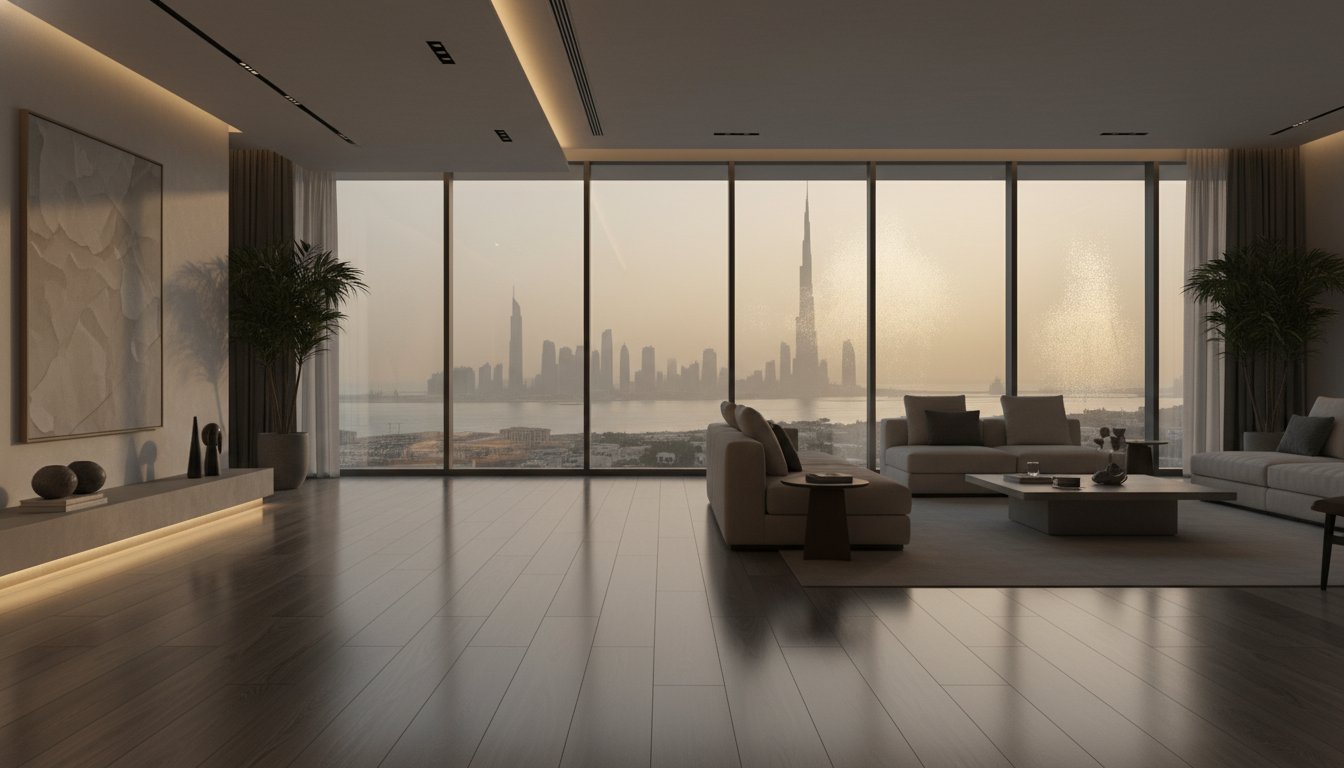
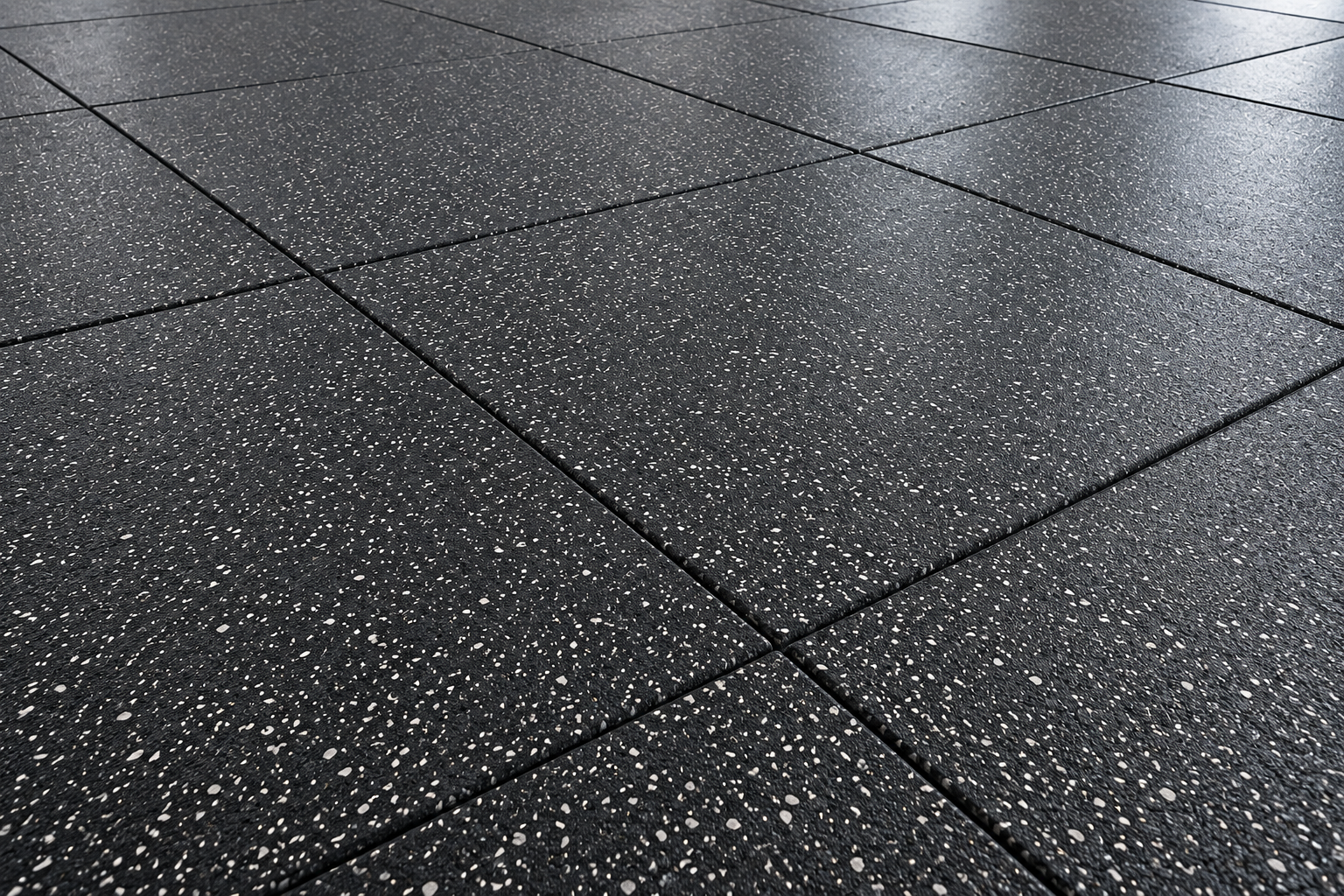
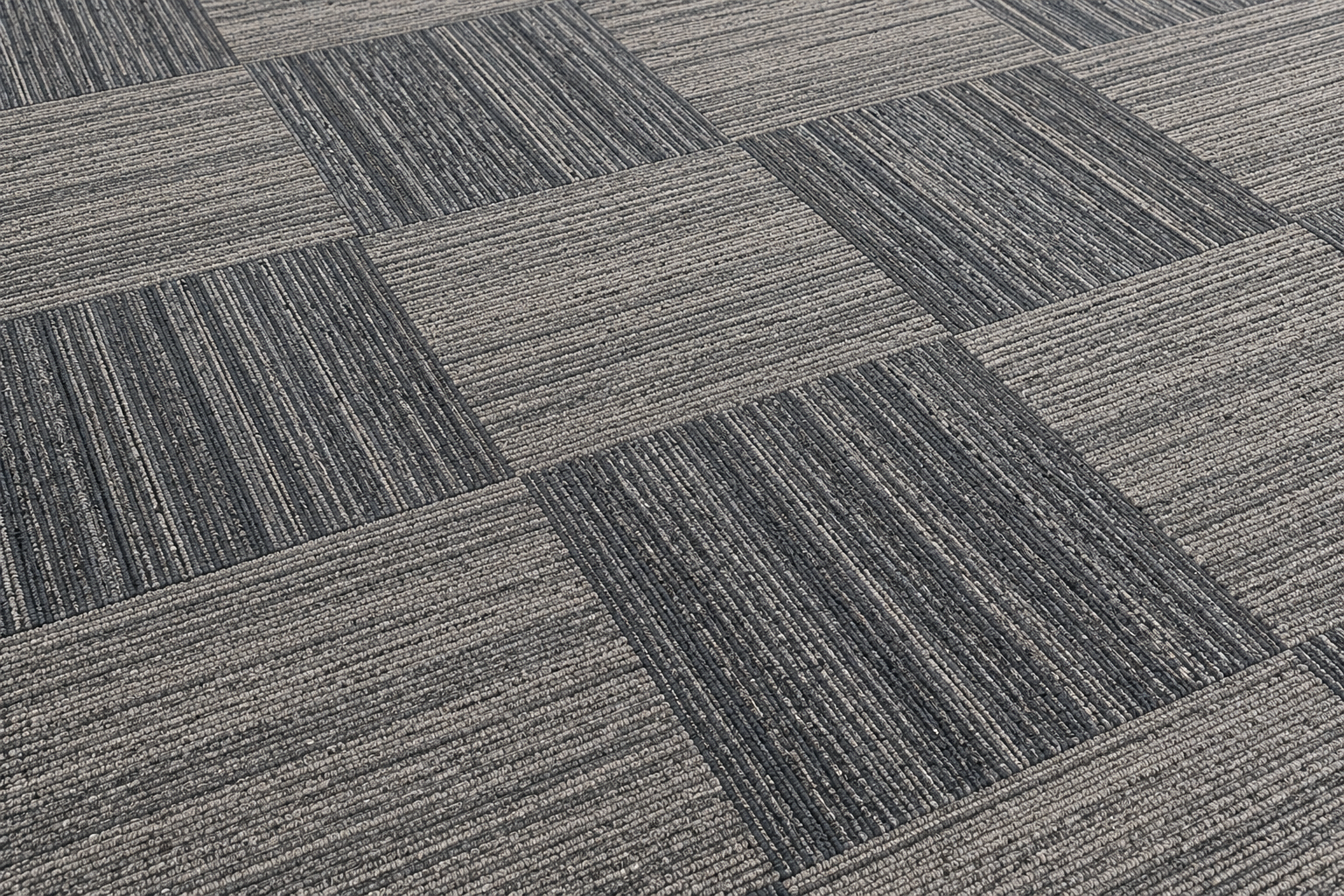
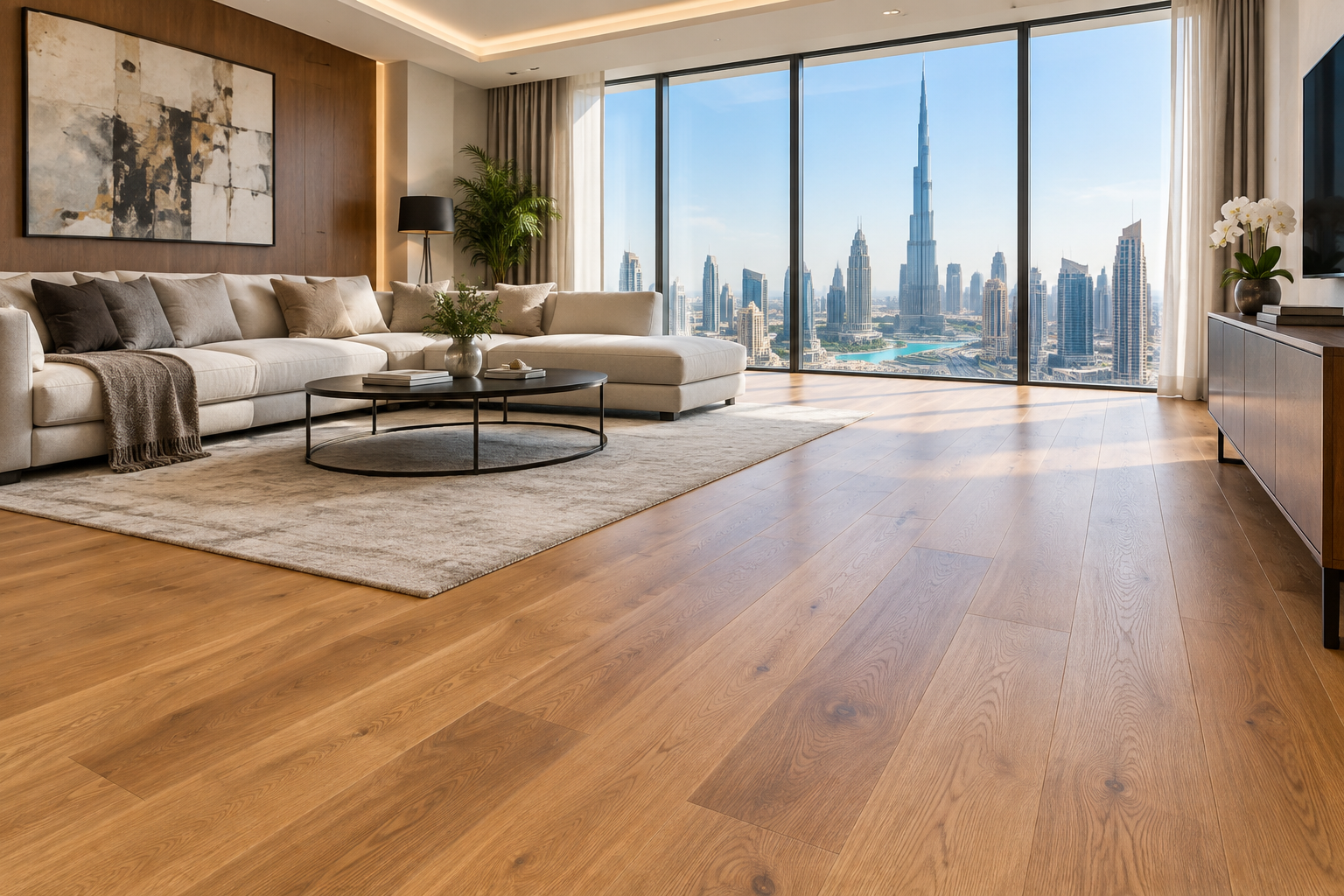
The soft whisper of a coastal breeze carries a hidden atmospheric weight that can quietly dismantle the most meticulously designed interior, turning a grand vision of timber warmth into a costly lesson in material physics. You understand that a home is more than a shelter; it's a curated gallery of your life's work, and the fear of watching your foundation buckle after a single humid season is a heavy burden for any collector of fine spaces. When weighing laminate flooring vs vinyl plank for humidity, the distinction lies not merely in the surface grain but in the silent, structural integrity of the core.
This guide serves as your definitive compass through the labyrinth of marketing terminology, offering a sophisticated analysis of how these materials respond to the relentless embrace of a tropical climate. We'll explore the technical nuances that allow luxury vinyl to remain impervious to moisture while examining the evolving craftsmanship of modern laminate. By the end of this journey, you'll possess the clarity to select a floor that preserves its aesthetic allure and structural poise for decades; ensuring your sanctuary remains a testament to enduring beauty and specialized creation.
Key Takeaways
- Uncover the hidden dynamics of how high ambient humidity penetrates flooring seams, threatening the structural poise of your interior sanctuary.
- Explore the anatomical contrast of laminate flooring vs vinyl plank for humidity, focusing on how resin-infused HDF and rigid-core PVC respond to atmospheric pressure.
- Demystify the 'waterproof' narrative by identifying which materials offer genuine immunity to swelling rather than mere topical resistance to spills.
- Develop a sophisticated selection framework that aligns the moisture profile of each room with a material capable of maintaining its aesthetic allure for decades.
- Discover how a curated collection of vinyl and laminate masterpieces can bridge the gap between specialized craftsmanship and the demands of contemporary coastal living.
Table of Contents
The Atmospheric Challenge: How Humidity Governs Flooring Integrity
The coastal atmosphere is a living entity, a heavy, salt-tinged vapor that seeks to reclaim the organic elements within your home. While a glass of spilled vintage is a momentary crisis, the invisible pressure of ambient humidity is a persistent, structural challenge that demands a connoisseur’s attention. To understand the rivalry of laminate flooring vs vinyl plank for humidity, one must first grasp the concept of Equilibrium Moisture Content (EMC). This scientific principle dictates that every material will eventually reach a state of balance with its environment, either drinking in the moisture from the air or surrendering it. In tropical or coastal regions, where the air is perpetually saturated, hygroscopic materials—those with a natural affinity for water—become unstable. They swell. They shift. They lose the precise, flush alignment that defines a masterfully installed floor.
The danger isn't always visible to the naked eye until the damage is profound. High ambient humidity doesn't just rest on the surface; it penetrates the microscopic seams of the planks and settles into the underlayment, creating a reservoir of moisture beneath your feet. When a floor's EMC is repeatedly disrupted by regional humidity cycles, the aesthetic consequences are swift and unforgiving. You might notice crowning, where the edges of the planks dip and the centers rise, or the heartbreak of joint separation, where the seamless flow of your interior gallery is broken by unsightly gaps. These aren't merely cosmetic flaws; they're signs that the floor’s structural integrity has been compromised by the very air it inhabits.
The Science of Material Expansion
Organic fibers, the foundational essence of many traditional flooring cores, behave like a microscopic sponge. When these fibers are exposed to the slow creep of humid air, the saturation isn't merely topical; it's a deep-core expansion that exerts immense lateral pressure. While surface condensation can be wiped away, core saturation remains trapped. Industry standards suggest maintaining a relative humidity between 35% and 55% to ensure stability, yet in coastal climates, these levels are often exceeded. This creates a demand for a more resilient foundation, one that doesn't treat moisture as an invitation to expand, but as an atmospheric detail to be resisted through superior engineering.
Identifying the Vulnerability of Traditional Wood
Solid timber possesses a storied heritage, yet its legacy is often marred by its inherent vulnerability to the elements. It's a material that breathes, and in a high-moisture environment, that breath becomes a gasp for space. Modern innovations in laminate flooring composition and the synthetic mastery of vinyl have emerged to provide the warmth of wood without its structural fragility. These materials represent the new vanguard of interior design, specifically curated to withstand the atmospheric demands that once doomed fine parquet to a life of perpetual maintenance. As we weigh the merits of laminate flooring vs vinyl plank for humidity, we must look at how these modern masterpieces have evolved to conquer the moisture that their ancestors could not.
The Composition of Resilience: Laminate vs. Vinyl Anatomy
To appreciate the endurance of a masterpiece, one must look beneath the surface, examining the very alchemy of its construction. The choice between laminate flooring vs vinyl plank for humidity is ultimately a study in material science, where organic tradition meets synthetic innovation. Each plank is a multi-layered artifact, designed to balance aesthetic allure with a silent, structural defiance against the elements. While both materials strive to replicate the timeless beauty of natural timber, their internal compositions dictate how they'll perform when the air becomes heavy with coastal moisture.
Laminate's Sophisticated Wood-Fiber Core
The laminate plank is an intricate assembly, anchored by a core of high-density fiberboard (HDF) that has been meticulously saturated with specialized resins. This process, often referred to as High-Pressure Laminate (HPL) construction, creates a dense and formidable barrier. The quality of these resins is paramount; it determines whether the plank will withstand the slow creep of humid air or succumb to the inevitable expansion of its organic fibers. Despite its wood-based heart, premium laminate offers an aesthetic advantage that's difficult to surpass. Its surface layers allow for a deeper, more realistic wood grain texture, capturing the soul of timber with a clarity that rivals the finest oil paintings, provided the core remains protected from deep-core saturation. To see examples of how these high-performance materials are selected for durability, you can learn more about GW Flooring and their expertise in high-quality floor coverings.
Vinyl’s Impermeable Synthetic Foundation
In contrast, the evolution of vinyl represents a triumph of synthetic mastery. While early luxury vinyl planks were prized for their flexibility, the contemporary connoisseur looks toward the rigid core excellence found in SPC flooring dubai. These stone-plastic composites provide an impermeable foundation that's entirely indifferent to the hygroscopic pressures of a coastal climate. A definitive analysis of Vinyl vs. Laminate Flooring highlights this fundamental shift in performance. By replacing organic fillers with limestone and stabilizers, SPC creates a plank that remains perfectly stable, even when the atmosphere is thick with vapor. This synthetic core doesn't just resist water; it provides a unique sensory experience, offering superior sound absorption and a firm, comfortable feel underfoot that grounds a room in quiet luxury.
The final layer of protection resides in the backing, a silent guardian against the invisible threats of the humid world. A high-quality backing layer acts as a moisture barrier, preventing the growth of mold and mildew that can compromise the health and longevity of your home’s narrative foundation. As you explore our curated collections of resilient masterpieces, you'll find that the true value of laminate flooring vs vinyl plank for humidity is found in these hidden details, where craftsmanship meets the relentless demands of nature. Each layer, from the wear-resistant surface to the antimicrobial backing, works in harmony to ensure your interior remains a sanctuary of enduring beauty.
Performance Under Pressure: The Humidity Face-Off
When evaluating laminate flooring vs vinyl plank for humidity, one must consider the silent dialogue between the material and the atmosphere. It's a duel of endurance. While the resin-infused HDF core of a premium laminate offers a gallant defense, it remains an organic entity at heart; susceptible to the slow, rhythmic expansion that occurs when vapor levels rise. Rigid-core vinyl, particularly those variations anchored by stone-plastic composites, presents a different narrative of total indifference to the moisture that would otherwise swell a lesser material. This fundamental difference in expansion rates determines whether your floor remains a seamless canvas or becomes a landscape of subtle, structural shifts.
Many enthusiasts are seduced by the 'waterproof' label, yet a discerning curator understands that this term often describes the plank's composition rather than the installation's structural immunity. While a vinyl plank won't swell, an excess of humidity can still migrate through the seams, potentially affecting the subfloor if not properly addressed with a vapor barrier. The decision between laminate flooring vs vinyl plank for humidity often rests on this distinction between topical protection and total structural immunity. True resilience is found in the meticulous selection of high-performance materials that prioritize joint integrity under the stress of fluctuating atmospheric pressure. For those looking to extend this resilience beyond the floor, Home Expo Asia provides insights into how vinyl can be creatively applied to walls in humid environments.
Water Resistance vs. Structural Waterproofing
Modern laminate flooring has seen a renaissance in engineering, utilizing specialized edge coatings and hydrophobic resins that repel moisture for extended periods. This innovation allows the aesthetic depth of wood to survive in environments once thought too demanding. However, the risks of compromise remain unbalanced across the spectrum of quality. Low-grade vinyl may suffer from delamination or 'peeling' of the wear layer when subjected to extreme conditions, whereas budget-tier laminate is prone to irreversible edge swelling at the first sign of saturation. A connoisseur prioritizes the integrity of the locking system, ensuring that each plank remains a steadfast part of the whole.
Thermal Stability in Coastal Environments
In the GCC, the challenge is twofold; the heavy embrace of humidity is often accompanied by the radiant heat of the sun. This thermal pressure can cause flexible materials to expand and contract, leading to a loss of that perfect, flush alignment. Dimensional stability is the material's ability to maintain its original dimensions when subjected to changes in temperature and humidity. A comprehensive vinyl and laminate flooring comparison reveals that SPC vinyl, with its limestone-rich core, offers the most profound stability in these conditions. It remains unmoved by the mercury's rise, ensuring the visual narrative of your home remains uninterrupted by the shifting seasons. Maintenance rituals in these climates should be equally deliberate, favoring damp microfiber over saturated mops to preserve the floor's original luster.
Curating Your Space: A Framework for Selection
Designing a home in a coastal climate requires the eye of a curator who understands that each room possesses its own unique atmospheric signature. The choice between laminate flooring vs vinyl plank for humidity isn't a singular decision for the entire residence, but rather a series of deliberate selections based on the moisture profile of each specific space. You must weigh the aesthetic depth required for a grand salon against the technical impermeability needed for a culinary suite. This framework ensures that your interior remains a cohesive masterpiece; every material is chosen for its ability to uphold the home's long-term narrative without succumbing to the invisible weight of saturated air.
In spaces where water is a constant companion, such as kitchens or sun-drenched coastal bathrooms, the synthetic mastery of vinyl often dictates the choice. For those looking to integrate these materials into a broader renovation, a dedicated specialist like X Cabinet & Stone offers the professional construction and material expertise required for high-moisture environments. Its structural immunity to spills and high vapor levels allows for a seamless transition from utility to luxury. Conversely, the living room serves as your primary gallery, demanding a floor that offers both footfall resilience and a profound visual depth that mirrors the complexity of natural timber. Here, the decision between laminate flooring vs vinyl plank for humidity becomes a balance of personal preference and the specific moisture levels of the region. Balancing your budget doesn't mean compromising on beauty; it means investing in high-quality materials from a trusted source like Z&S CARPETS to ensure your home's foundation remains preserved for decades.
Room-Specific Requirements for Humid Homes
Open-plan living areas, which often serve as the emotional core of a modern residence, benefit immensely from the seamless and expansive look of vinyl flooring dubai. These wide vistas of flooring create a sense of continuity that's both calming and grand. For the more private sanctuaries of the home, such as bedrooms, high-end laminate remains a compelling choice. Its superior ability to capture the warmth and tactile texture of wood provides a sensory comfort that's paramount in a space designed for rest. Managing the transition between these materials requires a skilled hand to ensure the interior remains a unified expression of style.
The Importance of Professional Installation
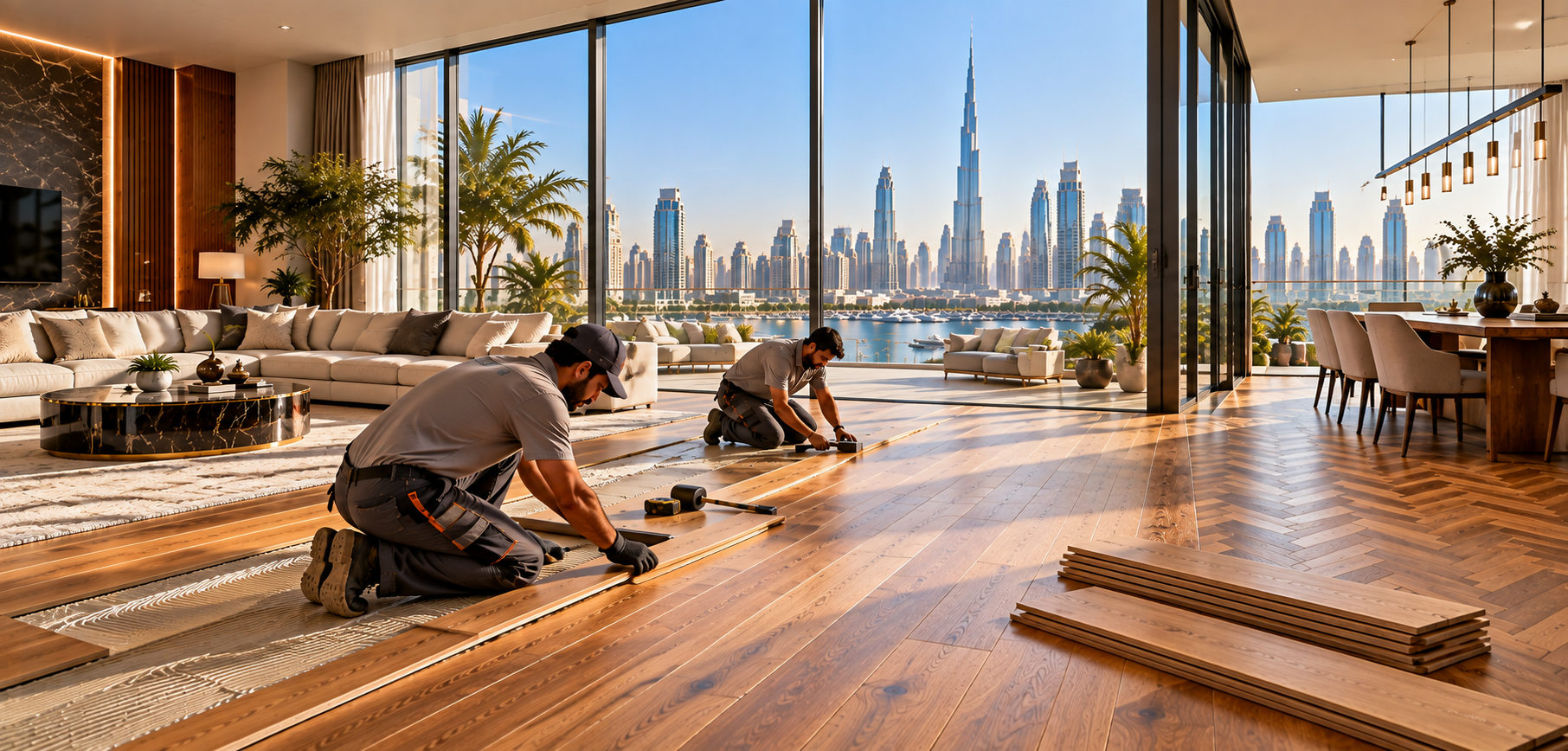
Precision is paramount. Even the most resilient material can fail if it's denied the space to exist within its environment. Professional installation is the final, essential step in protecting your investment from the pressures of a humid climate. Expansion gaps act as the necessary breathing room for your floor, allowing for the microscopic shifts that occur with the changing seasons. Selecting the correct underlayment is equally vital; it serves as a silent vapor barrier that prevents subfloor moisture from migrating upward. At Zia and Sagor Carpets Trading LLC, we bring a legacy of artisanal precision to every project, ensuring that every plank is laid with the care and respect it deserves. To begin curating your own resilient sanctuary, we invite you to explore our exclusive collections of high-performance flooring.
The Zia and Sagor Carpets Trading LLC Signature: Elevating Humid-Ready Flooring
At Zia and Sagor Carpets Trading LLC, we've long held the conviction that a floor is the narrative foundation of the home, a canvas that must withstand the silent pressures of its environment. The technical rivalry of laminate flooring vs vinyl plank for humidity is a challenge we've mastered since our establishment in 2010, serving the discerning residents of the GCC and Africa. We don't merely offer surfaces; we curate high-performance masterpieces that bridge the gap between global craftsmanship and regional atmospheric demands, ensuring every selection is a testament to enduring beauty. Our journey together begins with an expert consultation, evolving into a meticulous installation process that treats your home as the private gallery it is.
Transforming a space into a sanctuary of style requires more than just a material choice; it demands a commitment to environmental resilience that only a seasoned connoisseur can provide. Our curated collection of vinyl and laminate masterpieces is selected for its ability to maintain structural poise when the air becomes heavy with coastal vapor. By aligning technical excellence with a sophisticated aesthetic, Zia and Sagor Carpets Trading LLC ensures that your flooring remains an emotional core of your home, grounding every room in a sense of timelessness and quiet luxury.
A Heritage of Quality in the UAE and Oman
Our presence in the UAE and Oman is defined by a deep respect for heritage and the slow, meticulous nature of specialized creation. We understand that the regional climate presents unique challenges to traditional materials, which is why our expertise informs every stage of our product selection. The human element is our most vital signature, as our master installers act as the true guardians of your home's integrity. They possess the patience and skill required to ensure that every plank is laid with artisanal precision, protecting your investment from the invisible threats of a humid world.
Experience the Zia and Sagor Carpets Trading LLC Difference
We invite you to explore our diverse range of exquisite carpet and hard flooring solutions, each designed to elevate your interior narrative. Our bespoke approach ensures that your selection is not merely a functional addition but a lasting investment in the soul of your home. Whether you are drawn to the rigid core excellence of SPC or the textured warmth of premium laminate, our connoisseurs are ready to guide you through a tailored flooring consultation. Reach out to Zia and Sagor Carpets Trading LLC today to begin crafting a home filled with meaning, history, and unparalleled beauty.
Securing Your Interior Legacy
The journey through the nuances of laminate flooring vs vinyl plank for humidity reveals that the endurance of a home is found in the silent dialogue between material and atmosphere. You've discovered how the structural immunity of rigid-core vinyl and the refined engineering of modern laminate can shield your sanctuary from the relentless creep of coastal vapor. By honoring the specific moisture profile of each room and prioritizing the integrity of a professional installation, you preserve the aesthetic soul of your residence for generations to come.
Since 2010, Zia and Sagor Carpets Trading LLC has been a guardian of aesthetic excellence across the GCC and Africa, specializing in high-performance SPC and vinyl flooring curated for the most demanding climates. Our seasoned connoisseurs ensure that every masterpiece is laid with artisanal precision, anchoring your home in a narrative of quality and historical integrity. We invite you to discover the perfect foundation for your home with Zia and Sagor Carpets Trading LLC and begin the process of curating a space that remains unmoved by the shifting seasons. Your vision of a timeless, resilient interior is well within reach.
Frequently Asked Questions
Is vinyl plank flooring truly 100% waterproof in humid climates?
Yes, the synthetic composition of vinyl ensures it is entirely impervious to moisture, meaning the planks themselves won't swell or warp. However, one must remember that while the material is a waterproof masterpiece, the installation must still include a vapor barrier to protect the subfloor. When comparing laminate flooring vs vinyl plank for humidity, this structural immunity is the defining trait that secures a home's foundation against the heavy coastal air.
Can laminate flooring be installed in bathrooms if the humidity is managed?
Laminate can reside in bathrooms if you select a premium, water-resistant variety designed to withstand topical moisture for extended durations. These planks utilize resin-infused cores and hydrophobic edge coatings to resist the slow creep of vapor. Nevertheless, for a sanctuary where steam is a constant presence, the absolute impermeability of a rigid-core vinyl remains the superior choice for maintaining a flawless visual narrative over many decades.
How do I prevent my laminate floor from swelling during the most humid months?
Prevention begins with a controlled environment, maintaining an indoor relative humidity between 35% and 55% through consistent climate control. It's also vital to allow the planks to acclimate to your home's atmosphere for at least 48 hours before the artisanal installation begins. Ensuring generous expansion gaps at the perimeter provides the necessary breathing room for the floor to settle without the risk of unsightly buckling or joint separation.
What is the difference between LVP and SPC when it comes to moisture resistance?
Luxury Vinyl Plank (LVP) features a flexible PVC core, while Stone Plastic Composite (SPC) is defined by a dense, limestone-based foundation. This rigid core offers superior dimensional stability, which is the material's ability to resist expansion and contraction during extreme weather cycles. SPC is the preferred artifact for the connoisseur seeking a floor that remains perfectly stable and flush regardless of the atmospheric weight outside.
Does high humidity affect the adhesive used in vinyl flooring installation?
High ambient moisture can compromise the integrity of traditional adhesives, leading to potential shifting or lifting of the planks over time. To avoid this atmospheric betrayal, our master installers frequently recommend floating click-lock systems for humid regions. These systems rely on a mechanical bond rather than chemical glues, ensuring that the floor remains a steadfast and beautiful foundation that is entirely unaffected by fluctuating vapor levels.
How long can I expect vinyl flooring to last in a coastal environment compared to laminate?
When analyzing laminate flooring vs vinyl plank for humidity, a high-quality vinyl floor can gracefully endure for 20 to 25 years due to its synthetic immunity to the elements. Laminate flooring, while equally durable in dry conditions, may have a more varied lifespan if exposed to persistent high humidity without proper climate management. Selecting a material with a robust wear layer ensures that the visual depth and luster of your floor remain a testament to quality.
Are there specific underlayments recommended for high-humidity areas?
We recommend specialized vapor barrier underlayments, such as a 6-mil poly film, to act as a silent guardian between the subfloor and your chosen material. These barriers prevent moisture from migrating upward, which is essential when installing over concrete in tropical climates. Choosing an underlayment with antimicrobial properties also ensures that the hidden layers of your home remain a healthy and pristine environment, free from the threat of mildew.
Will sunlight combined with humidity cause my vinyl floors to fade or peel?
Premium vinyl flooring is engineered with UV-resistant wear layers that protect the intricate visual grain from the fading effects of intense sunlight. While humidity alone won't cause high-end planks to peel, the combination of heat and moisture can stress budget-tier materials. By selecting a rigid-core masterpiece with a high-performance finish, you ensure that the depth of color and structural poise of your floor remain uncompromised by the radiant coastal sun.