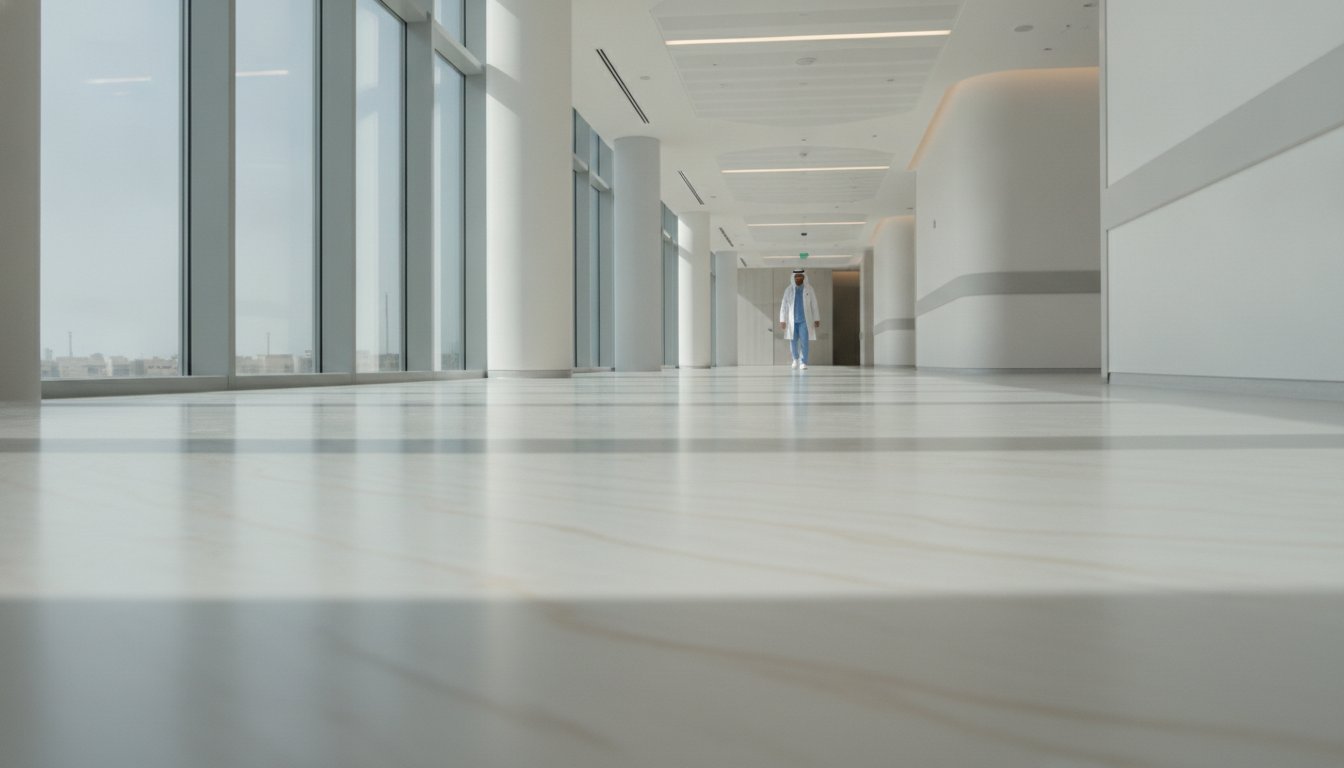
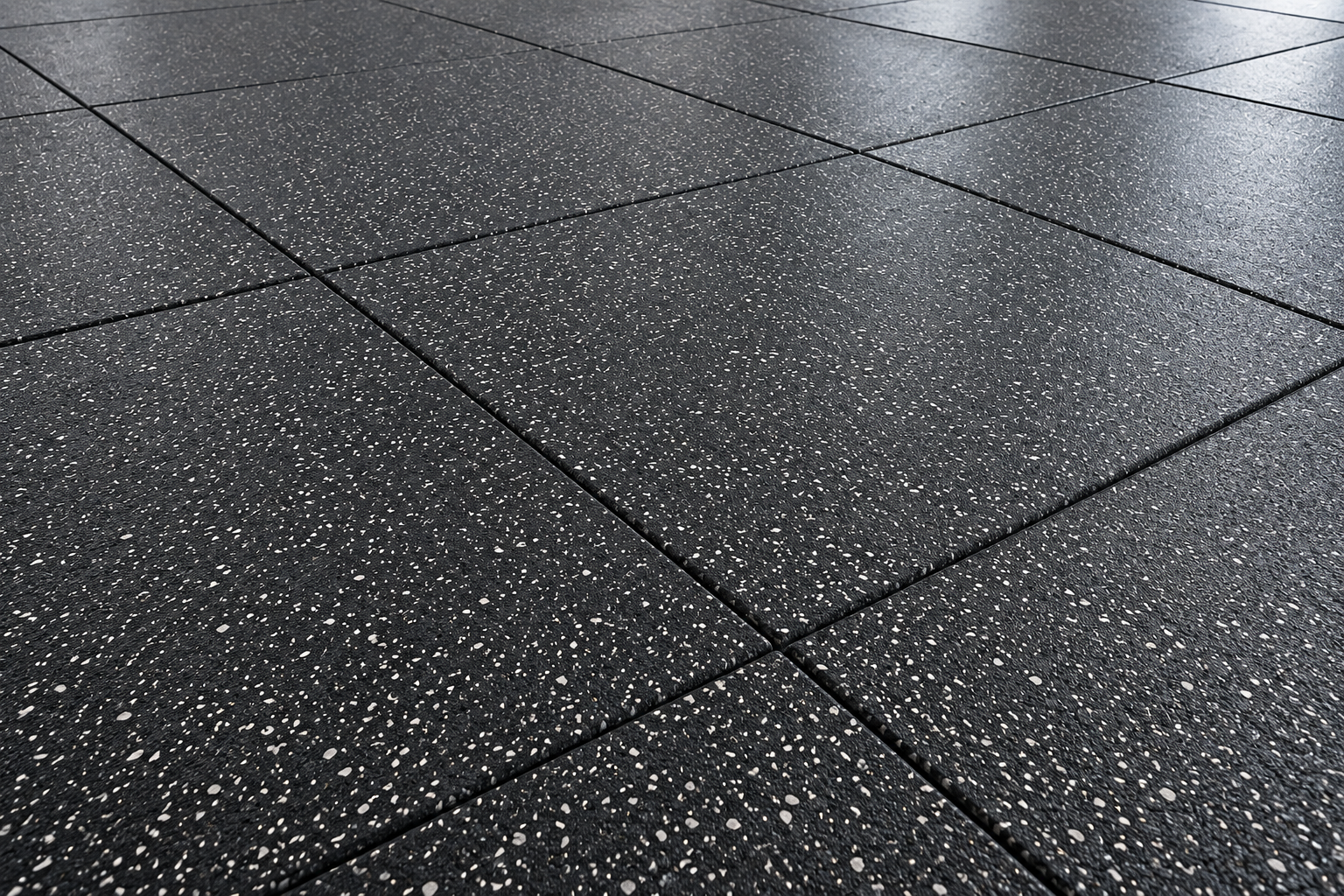
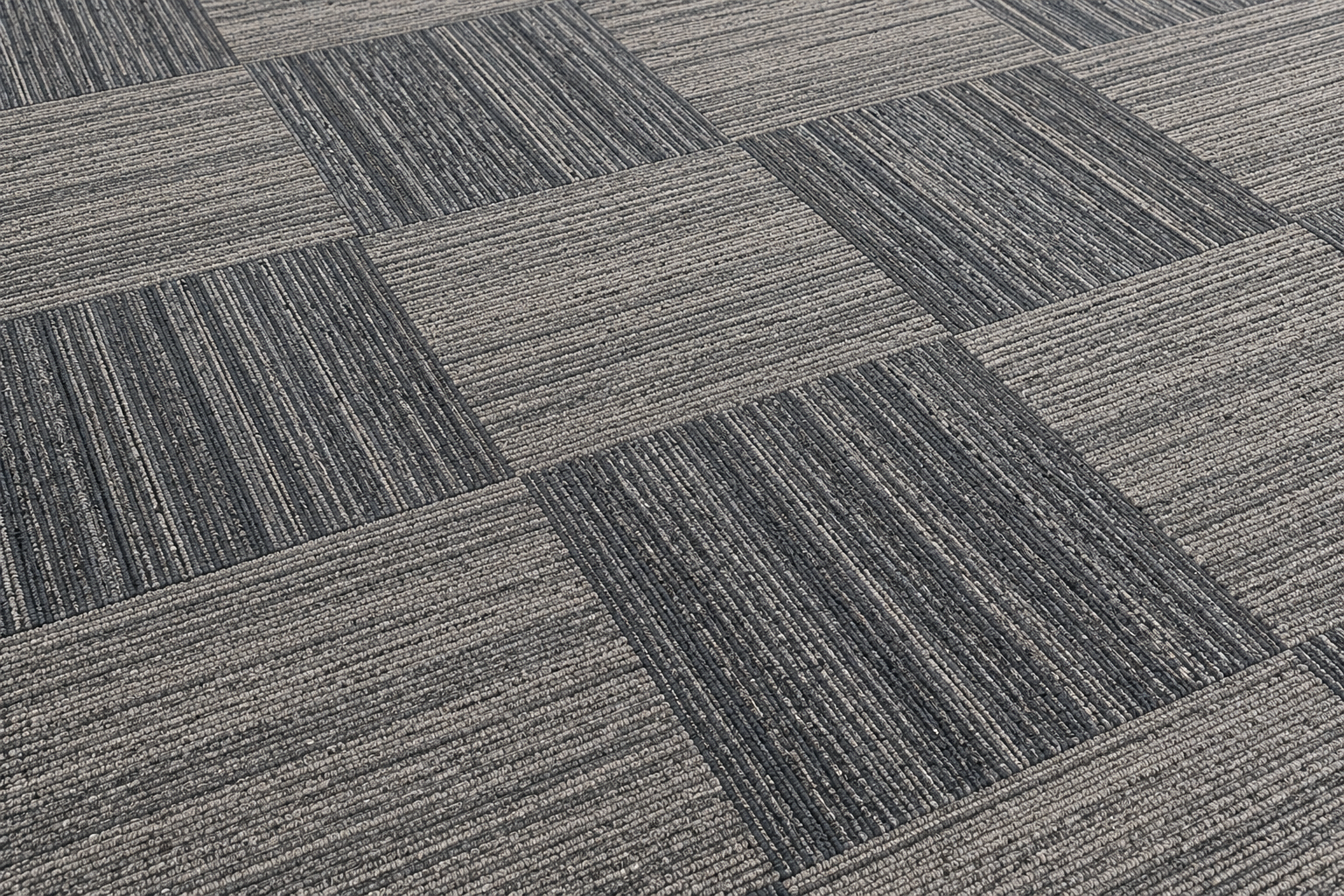
Can a surface truly be considered a masterpiece if it must also withstand the corrosive rigors of chemical sterilization and the ceaseless transit of heavy medical equipment? In the sacred halls of modern medicine, the choice of hospital flooring is far more than a utilitarian decision; it's the selection of a silent, foundational partner in the intricate art of patient care. You likely recognize the immense challenge of curating an environment that satisfies the stringent demands of the 2026 FGI Facility Code while shedding the cold, institutional atmosphere of the past. It's a delicate balance to strike, ensuring that a space remains both a fortress of hygiene and a sanctuary of quiet repose.
In the following exploration, you'll discover how medical-grade surfaces serve as the essential, hygienic anchor for healthcare institutions nationwide, providing a durable stage for clinical excellence. We'll examine the sophisticated integration of acoustic control and antimicrobial resilience, offering a preview of how advanced vinyl and rubber solutions transform high-traffic corridors into tranquil paths of recovery. By understanding the meticulous craftsmanship behind these specialized materials, you can create a clinical setting that reflects both the heritage of healing and the precision of contemporary design.
Key Takeaways
- Appreciate the profound role of antimicrobial surfaces as the primary sentinel against cross-contamination within clinical environments.
- Explore the meticulous engineering behind high-performance hospital flooring, where multilayered vinyl and UV-stabilized coatings offer a resilient defense against the most demanding chemical rigors.
- Discern the nuanced requirements of specialized medical zones, balancing the absolute sterility of 'Clean Rooms' with the restorative acoustic needs of patient recovery wards.
- Uncover how the elegant integration of biophilic motifs, inspired by the organic textures of wood and stone, elevates a clinical space from a mere facility to a sanctuary of healing.
- Gain insight into the critical importance of master-led installation to ensure that every surface meets the exacting national standards of healthcare infrastructure.
Table of Contents
The Essential Role of Hospital Flooring in Modern Healthcare Architecture
In the grand tapestry of healthcare design, the floor serves as the silent sentinel, a meticulously engineered expanse that defines the very boundaries of safety and clinical excellence. Modern hospital flooring isn't merely a backdrop for medical activity; it's a specialized, antimicrobial surface designed to anchor the narrative of healing. The cold, institutional tiles of the mid-twentieth century once prioritized utility over comfort. Today, the evolution of hospital flooring toward sophisticated vinyl solutions has introduced a sense of warmth and serenity without compromising the rigorous demands of a sterile environment. This transition represents a profound shift in perspective. We now treat the selection of materials as a long-term investment in the national healthcare infrastructure, where durability meets aesthetic grace.
Why Hygiene Begins at the Ground Level
Pathogens find no quarter on these non-porous surfaces. The integrity of a sterile zone depends heavily on the seamless nature of the installation. By utilizing heat-welded joints, we create a continuous, impervious field that resists the intrusion of contaminants. Dirt often lurks in the forgotten corners of traditional construction. The implementation of floor-to-wall coving effectively eliminates these microscopic traps, ensuring that every inch of the facility remains reachable for deep sterilization. While Linoleum flooring was historically prized for its natural bactericidal properties, contemporary medical environments now lean toward high-performance vinyl to achieve an even more robust standard of infection control. It's a marriage of science and craft.
Meeting National Healthcare Standards
Adherence to the 2026 FGI Facility Code is a mandatory requirement for any institution seeking to preserve its legacy of care. These regulations demand a thoughtful balance of slip resistance and fire safety, ensuring that the environment protects both the fleet-footed practitioner and the vulnerable patient. High-quality surfaces are essential. Specialized flooring supports the rigorous accreditation process and patient safety audits that define modern clinical excellence. It's a commitment to quality that transcends fleeting trends, providing a reliable foundation for those who dedicate their lives to the service of others. Choosing the right surface is an act of stewardship.
Engineering Hygiene: The Science Behind Medical-Grade Vinyl Surfaces
The microscopic landscape of medical-grade vinyl is a testament to the slow, meticulous nature of specialized creation, where each layer serves a distinct purpose in the narrative of patient safety. At the surface, a UV-stabilized wear layer functions as a transparent guardian, a shield that remains unyielding against the aggressive chemical spills and rigorous sterilization protocols of a modern surgical suite. Beneath this protective veil, the solid core is infused with advanced antimicrobial additives, ensuring that the material's defense against pathogens is an inherent quality rather than a fleeting treatment. This chemical resilience is matched by a commitment to the breathability of the space, as modern hospital flooring must adhere to strict standards for low VOC emissions to preserve the purity of indoor air in patient wards.
The Anatomy of a High-Performance Vinyl Sheet
A high-performance vinyl sheet is composed of several distinct strata, each contributing to the floor's overall excellence. Adhering to the Performance Criteria for Resilient Flooring ensures these materials meet the highest benchmarks of the healthcare industry. The construction typically includes:
- Protective Top Coating: A high-density finish that resists deep staining and removes the necessity for labor-intensive waxing or polishing.
- Fiberglass Reinforcement: A structural lattice that grants the material its remarkable dimensional stability, preventing the floor from buckling under thermal shifts.
- High-Definition Print Layer: An artistic element that utilizes sophisticated motifs to bring the restorative serenity of the natural world into the clinical environment.
Durability Under the Weight of Innovation
Modern medical facilities are often defined by the immense weight of their innovation, housing diagnostic machinery that exerts significant pressure on the building's foundation. The flooring must support the static load of stationary equipment while simultaneously accommodating the dynamic movement of rolling beds and heavy trolleys that traverse the corridors day and night. It's a delicate balance to maintain. Point load resistance refers to the material's capacity to withstand intense, localized pressure from heavy medical machinery without suffering permanent indentation or structural compromise. For those seeking to curate a facility that marries this industrial strength with refined elegance, the collections at Z&S Carpets offer a sophisticated solution that anchors any healthcare setting with lasting value.
Navigating Specialised Requirements: From Sterile Theatres to High-Traffic Corridors
Within the complex architecture of a medical facility, the floor must adapt its character to suit the specific narrative of each zone. The requirements for a high-traffic emergency corridor, where every second is measured in movement, differ vastly from the hushed, sterile sanctuary of a surgical suite. Selecting the appropriate hospital flooring involves a deep understanding of these spatial transitions. It ensures that the shift from clinical rigour to administrative elegance is both seamless and purposeful. Each area demands a unique equilibrium of durability, safety, and sensory comfort.
The Critical Role of ESD Flooring in Surgical Suites
The modern operating theatre is a theatre of precision, filled with sensitive electronic instruments that are vulnerable to the invisible threat of Electrostatic Discharge (ESD). In these spaces, the floor acts as a grounding force. Conductive or dissipative vinyl is essential to prevent static buildup that could compromise delicate diagnostic data or interfere with life-saving equipment. Achieving this level of protection requires a meticulous installation process. Copper grounding strips must be integrated with absolute precision to ensure a continuous, reliable path to the earth. It's a task that demands the hand of a seasoned specialist who respects the stakes involved.
Acoustic Insulation and Patient Well-being
Healing requires more than just clinical intervention; it demands an environment of quietude. Current healthcare facility design trends highlight the growing importance of acoustic control in patient recovery wards. Specialized backing on resilient surfaces can significantly dampen the sharp clatter of footsteps and the rhythmic hum of rolling carts. By reducing ambient decibel levels, we foster a restorative atmosphere that directly supports faster recovery times. It's a delicate balance to achieve. The material must offer the softness of sound absorption while maintaining the hard, non-porous surface necessary for absolute hygiene. Quiet floors are a fundamental component of compassionate care.
The 24/7 emergency department demands a heavy-duty surface that refuses to yield under the relentless pressure of dynamic loads. Here, the floor must be a tireless servant, resisting the scuffs of hurried movement and the weight of constant traffic. As one moves toward administrative offices or reception halls, the design language often shifts. This allows for the introduction of textures that mimic natural materials like wood or stone, bridging the gap between clinical necessity and human comfort. These transition zones are vital. They provide a psychological reprieve for staff and visitors alike, anchoring the facility in a sense of enduring stability and grace.
The Art of the Healing Environment: Balancing Clinical Rigour with Aesthetic Serenity
In the quiet theater of recovery, the physical environment acts as a silent caregiver, a presence that can either soothe or unsettle the spirit. We must view beauty not as a decorative afterthought but as a functional necessity that anchors the patient's experience during their most challenging hours. The choice of hospital flooring serves as the foundational canvas upon which the narrative of healing is composed, providing a sense of stability and grace. By integrating biophilic design elements, such as the organic textures found in wood and stone patterns, we bridge the gap between the clinical and the natural worlds. These motifs offer a psychological grounding, a sense of permanence and heritage that reduces anxiety in moments of profound vulnerability.
Wayfinding becomes an art form when the floor itself guides the journey through a labyrinth of corridors. Through the deliberate use of color-coding and intricate patterns, a facility can improve its operational efficiency while subtly directing the flow of movement for visitors and staff alike. It's a curated approach to design that respects the time of the practitioner and the peace of the patient. This rhythmic flow ensures that the architecture serves the people within it, turning a complex medical center into a navigable and welcoming space. The floor isn't just a surface; it's a map of care.
Colour Psychology in Healthcare Spaces
The palette of a room dictates its emotional resonance, acting as a chromatic guide for the senses. Cool blues and serene greens are often employed in high-stress areas like intensive care units to promote a sense of deep, contemplative calm. Conversely, warm neutrals and soft, earthy tones are better suited for elderly care and paediatric wards, where the goal is to evoke the comforting familiarity and safety of a home. We must be cautious with high-contrast patterns; while striking in a gallery setting, they can cause disorientation for those with visual or cognitive sensitivities in a medical context. A disciplined choice of color is a mark of true design expertise.
Human-Centric Design and Ergonomics
Design should always serve the human element, acknowledging the physical toll of the healing arts. For the medical professionals who spend exhausting shifts on their feet, the ergonomics of underfoot comfort are paramount to their long-term well-being. A resilient surface provides the necessary cushioning to mitigate fatigue, ensuring that the staff remains focused on the precision and empathy required by their craft. Additionally, the selection of matte finishes is a thoughtful gesture toward patient comfort. By reducing the harsh glare of overhead lighting, we create a non-threatening atmosphere that is gentle on the eyes and the mind. If you are ready to transform your clinical space into a sanctuary of aesthetic excellence, explore the premium range of hospital flooring at Z&S Carpets.
Curating Excellence: Why Z&S Carpets is the Partner for National Healthcare Infrastructure
Since its inception in 2010, Z&S Carpets has occupied a unique position as a seasoned guardian of the surfaces that anchor our most vital institutions. We don't merely supply materials; we act as connoisseurs of the clinical environment, selecting only those solutions that meet the highest standards of national healthcare infrastructure. This commitment to excellence is born from a deep respect for the slow, meticulous nature of specialized creation. Every roll of hospital flooring we provide is treated as a cultural artifact of modern science, a transformative element that ensures a legacy of safety and aesthetic grace for generations to come. It's a stewardship of quality that recognizes the floor as the emotional and narrative core of the healing space.
A Legacy of Trust in the GCC
With over a decade of experience serving large-scale commercial projects across the GCC, our reputation is built upon a foundation of enduring quality and specialized expertise. Our wholesale and export capabilities allow us to support national projects with a level of precision that transcends fleeting industry trends. We understand that a medical facility is a sanctuary where global traditions of care meet modern innovation. By providing materials that possess both rarity and resilience, we help curators of healthcare spaces build environments that are as beautiful as they are functional. Our reach extends across borders, yet our focus remains on the individual integrity of every square meter we supply, ensuring that our products serve as a bridge between ancient craftsmanship and contemporary living.
The Z&S Installation Standard
The true measure of a masterpiece lies in its execution, and our approach to professional installation is defined by a rhythmic, deliberate pace that respects the complex nature of the clinical setting. We understand that a surgical suite or a recovery ward cannot afford the bluntness of a rushed assembly. Our specialists possess the refined skill required for the seamless integration of hospital-grade vinyl and SPC flooring, ensuring that every heat-welded joint and coved edge is a testament to artisanal precision. We invite you to experience our curated selection of Vinyl Flooring, where the synthesis of style and durability creates a lasting value for any healthcare environment. In the hands of our master installers, a floor becomes more than a surface; it becomes a permanent anchor for the narrative of healing, reflecting a quiet pride in expertise and a commitment to quality that never wavers.
Elevating the Standard of Healthcare Environments
The journey toward a superior medical environment begins with the very ground beneath our feet, where the delicate balance between rigorous clinical science and the restorative art of design finds its true expression. We've traversed the landscape of modern healthcare architecture, from the silent, conductive corridors of surgical suites to the warm, biophilic sanctuaries of patient wards. Selecting the right hospital flooring is an act of stewardship for any facility curator, ensuring that the foundation of care remains as resilient as it is beautiful. Since 2010, Z&S Carpets has served as a seasoned partner in this endeavor, bringing a decade of expertise in national supply and the meticulous craft of professional installation to every project. Our comprehensive range of medical-grade Vinyl and SPC solutions is curated to meet the most exacting standards of the GCC, offering a sense of timelessness and exclusivity to the spaces that matter most. We invite you to Explore our curated collection of high-performance Hospital Flooring and discover a foundation that honors your commitment to excellence. Your vision for a healing sanctuary deserves a surface that's built to endure.
Frequently Asked Questions
What are the primary benefits of using vinyl flooring in hospitals?
Vinyl flooring offers an unparalleled synthesis of hygienic integrity and enduring durability, serving as a resilient foundation for the most demanding clinical environments. Its non-porous nature ensures that the surface remains impervious to chemical spills and biological contaminants, while its inherent flexibility provides a level of underfoot comfort that supports the well-being of medical professionals during long, exhaustive shifts. This material allows for a sophisticated aesthetic that sheds the cold, institutional feel of the past, creating a sanctuary of healing that remains strictly functional.
How does hospital flooring contribute to infection control?
The floor acts as a primary sentinel against cross-contamination by providing a seamless, non-porous expanse that leaves no quarter for pathogens to reside. When hospital flooring is installed with heat-welded joints and integrated wall coving, it eliminates the microscopic crevices and dirt traps common in traditional tiling. This continuous surface allows for rigorous sterilization protocols to be executed with absolute precision, ensuring that sterile zones remain uncompromised and the purity of the clinical environment is preserved for every patient.
Is slip resistance a standard feature of medical-grade flooring?
Slip resistance is a fundamental requirement of any medical-grade surface, engineered to protect the fleet-footed practitioner and the vulnerable patient alike. These specialized materials are designed to provide reliable traction even when the surface is compromised by liquids or cleaning agents, adhering to the strict safety certifications mandated by national healthcare standards. This commitment to safety ensures that the facility remains a secure environment where movement is never hindered by the risk of instability.
How long does a professional hospital flooring installation typically last?
A masterfully executed installation typically endures for fifteen to twenty years, standing as a testament to the slow, meticulous nature of specialized creation. The longevity of the surface depends heavily on the quality of the initial craft and the consistency of the maintenance regimen followed by the facility. This enduring lifespan represents a significant investment in the heritage of the institution, providing a stable and reliable foundation that withstands the ceaseless transit of modern medical care.
Can hospital flooring withstand the weight of heavy medical imaging equipment?
High-performance hospital flooring is specifically engineered with exceptional point load resistance to accommodate the immense static weight of diagnostic machinery and imaging equipment. These surfaces are designed to maintain their structural integrity without suffering permanent indentation or compromise, even under the relentless pressure of localized weight. This industrial strength is seamlessly integrated with aesthetic grace, ensuring that the most technologically advanced rooms in a facility remain both beautiful and structurally sound.
What is ESD flooring and why is it required in operating theatres?
Electrostatic Discharge (ESD) flooring is a specialized surface designed to safely dissipate static electricity, acting as a grounding force within the high-stakes environment of a surgical suite. It's required in operating theatres to prevent invisible static charges from compromising sensitive electronic instruments or interfering with delicate diagnostic data. By protecting both the equipment and the patient from electrical interference, ESD surfaces ensure that the precision of modern medicine is never undermined by environmental factors.
How do you maintain the hygiene and appearance of hospital vinyl over time?
Maintaining the exquisite appearance of medical-grade vinyl involves a disciplined regimen of cleaning with pH-neutral solutions and the avoidance of abrasive tools that might mar the finish. Modern protective coatings have evolved to eliminate the need for traditional waxing or polishing, allowing the floor to retain its depth of color and clinical purity through simple, effective sterilization. This ease of maintenance ensures that the facility remains a pristine canvas of care without requiring labor-intensive interventions that disrupt the rhythm of healing.
Does hospital flooring help with noise reduction in patient wards?
Specialized acoustic backing on resilient flooring serves to significantly dampen the sharp clatter of footsteps and the rhythmic hum of rolling carts that often permeate hospital corridors. By lowering ambient decibel levels, these surfaces foster a restorative atmosphere of quietude that's essential for patient recovery and the focus of the medical staff. This focus on acoustic comfort reflects a human-centric approach to design, acknowledging that a tranquil environment is a vital component of compassionate and effective care.