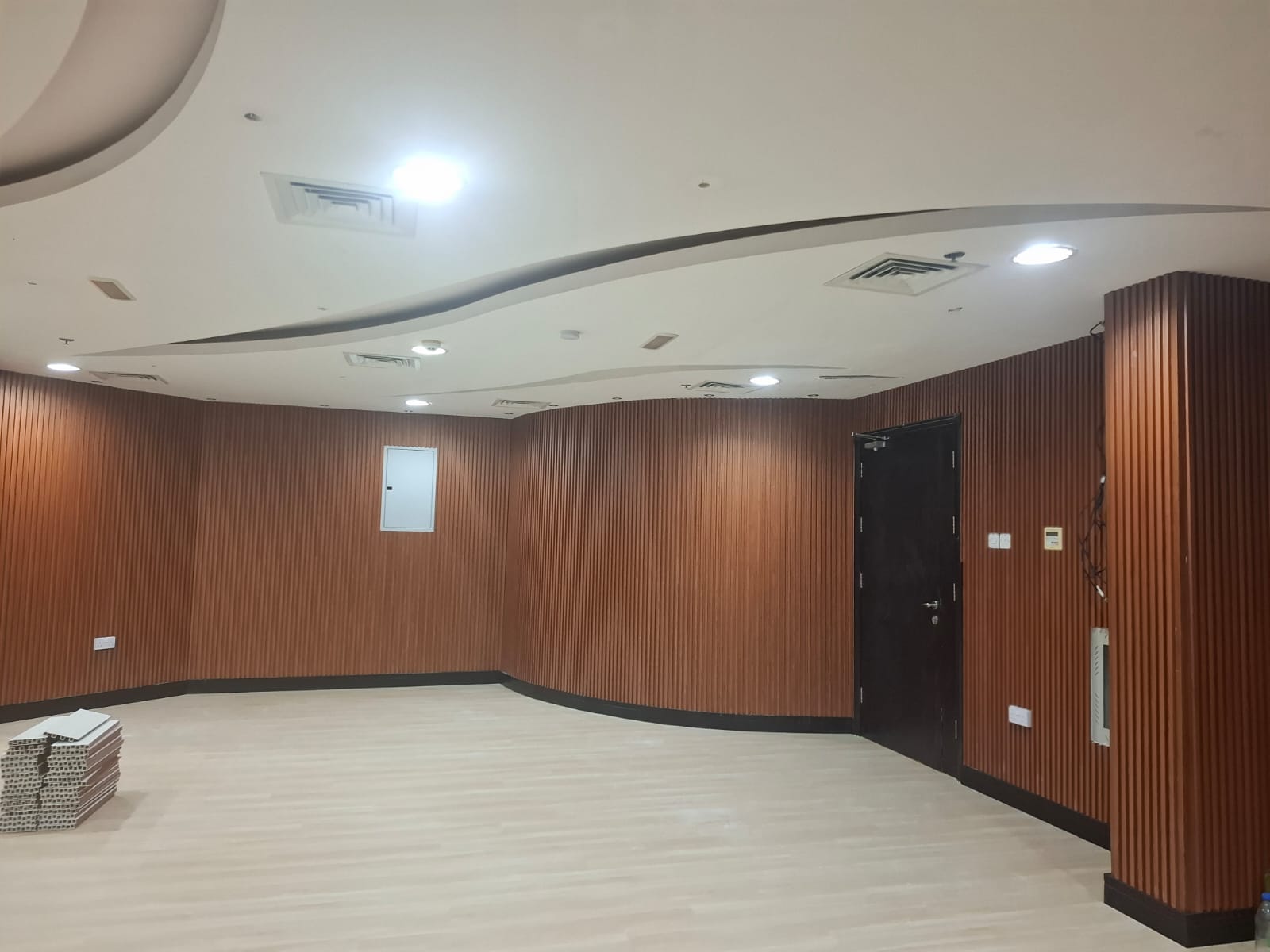
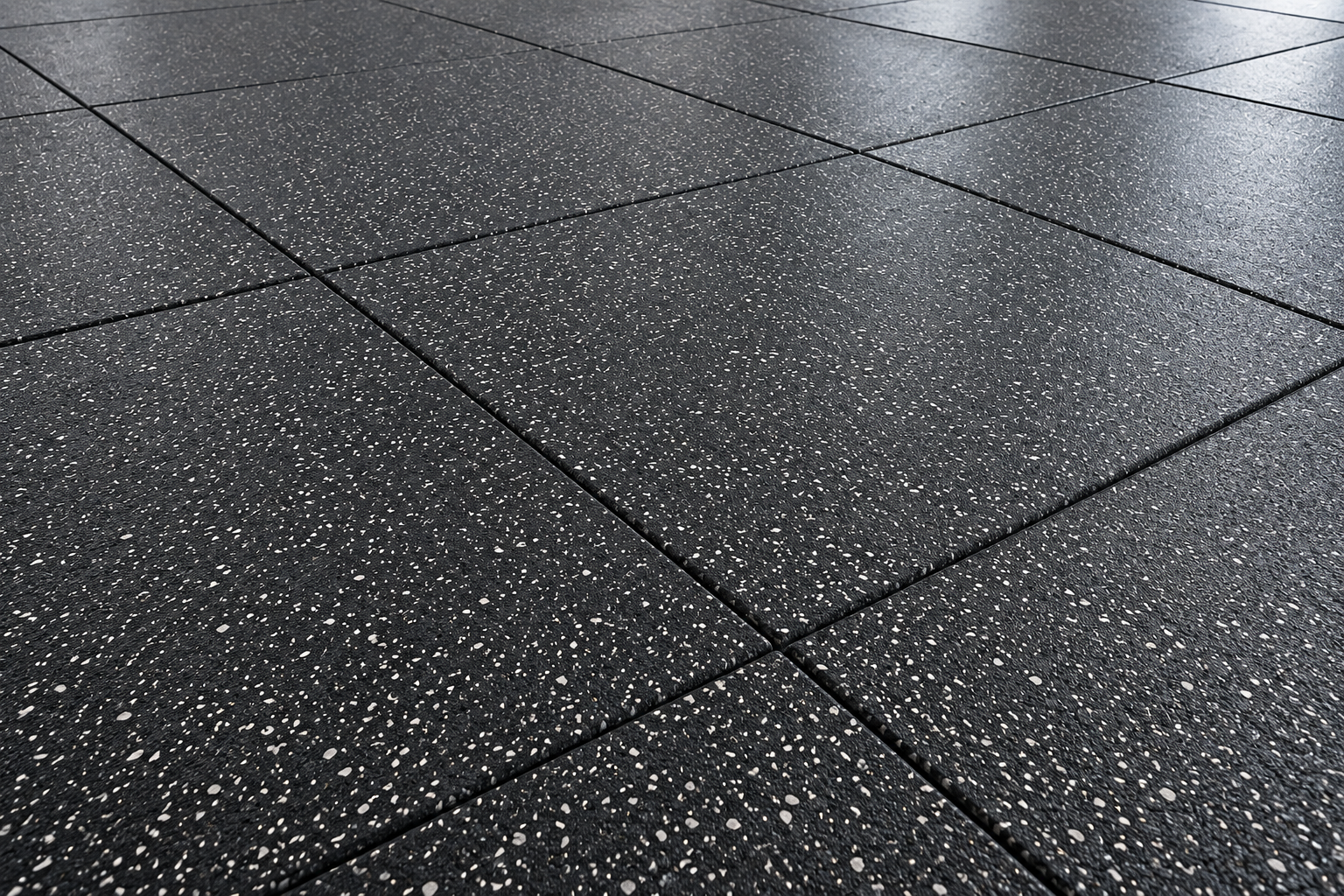
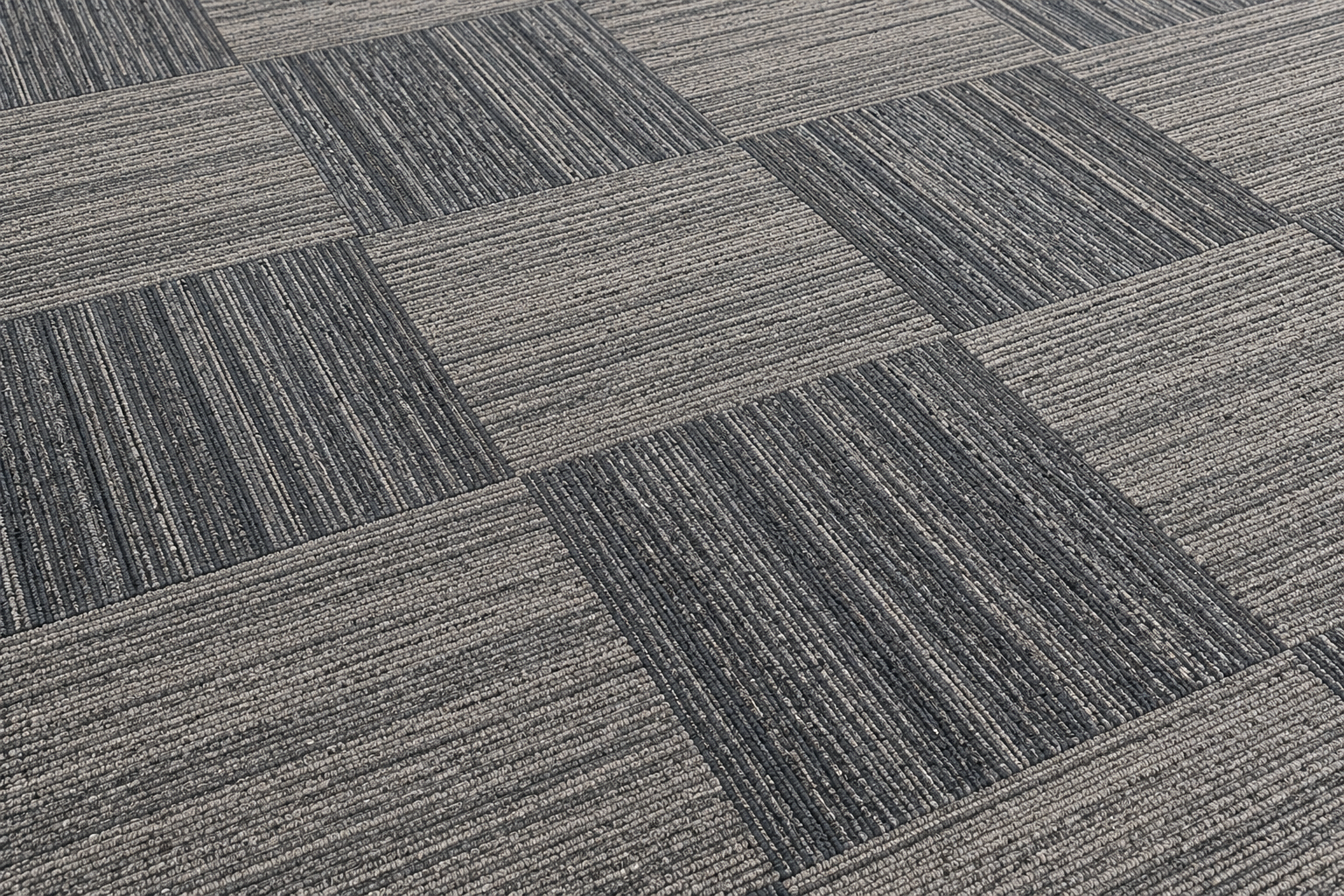
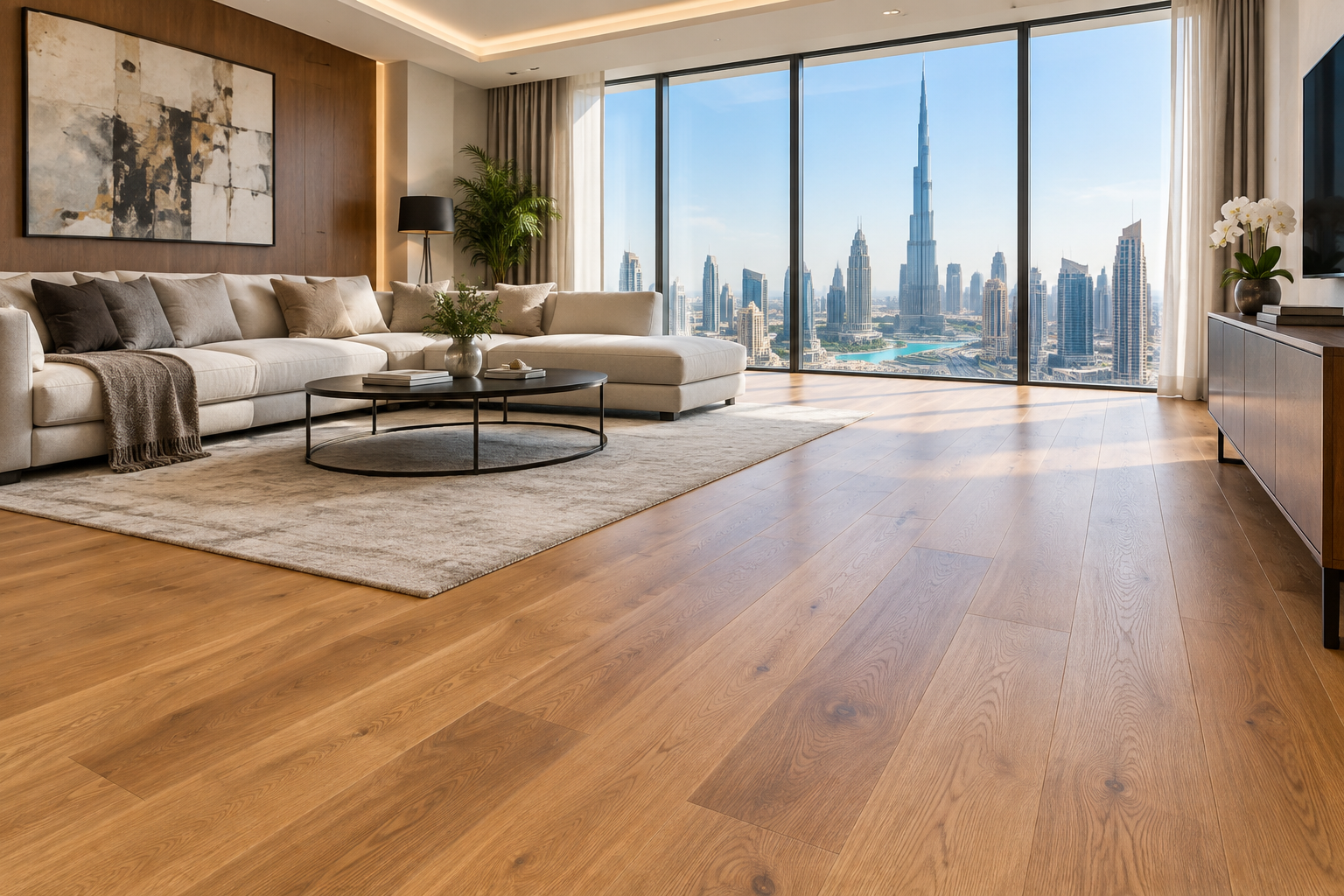
The Zillow 2026 analysis reveals a profound truth: the colors we choose to anchor our sanctuaries are far more than aesthetic preferences; they are significant investments in the emotional and financial value of a home. While a misstep like an ochre yellow interior can potentially reduce buyer offers by over $18,164, a masterfully curated space using sage green or warm chocolate browns can elevate a property's allure and its worth. Mastering the art of coordinating flooring with wall colors is the essential bridge between a room that merely exists and a residence that breathes with intentionality.
It's common to feel a sense of hesitation when faced with the subtle shift of undertones or the way shifting afternoon light might transform a serene SPC plank into something unrecognizable. You'll soon discover how to harness the sophisticated principles of color theory and tactile materiality to create a seamless, artful dialogue between your surfaces. We will explore the nuances of warm versus cool palettes, the resurgence of heritage patterns like parquet, and the essential technical standards for a healthy, gallery-like environment.
Key Takeaways
- Identify the three pillars of undertones—warm, cool, and neutral—to select luxury materials that resonate with the existing architectural character of your sanctuary.
- Navigate the complexities of coordinating flooring with wall colors by deciphering how intense natural light interacts with different surface textures throughout the day.
- Implement professional design frameworks, such as the monochromatic sanctuary or the high-contrast statement, to establish a balanced and intentional atmosphere.
- Elevate your interior beyond simple aesthetics by integrating the tactile materiality of SPC flooring or wall to wall carpets to add acoustic and visual depth.
Table of Contents
The Poetics of Space: Why Flooring and Wall Coordination Defines the Home’s Narrative
The floor is not a mere surface to be walked upon; it is the silent protagonist of the home, the emotional core upon which every other element rests. When we speak of coordinating flooring with wall colors, we are describing the creation of a cohesive narrative that anchors the soul of a room. This is the physical foundation of your interior gallery. It requires a shift in perspective, moving away from the simplistic notion of matching shades toward a sophisticated dialogue between the horizontal expanse and the vertical planes that enclose it. A room that finds this balance doesn't just look complete; it feels resonant, as if every element was destined to exist in that specific proximity.
A masterfully coordinated room acts as a guardian of aesthetic excellence. It ensures that the investment in high-end materials yields a return of lasting beauty. By applying fundamental color theory principles, the connoisseur can transform a disjointed space into a sanctuary of balance. This intentionality creates a home that feels both balanced and deeply personal, reflecting a commitment to quality that transcends the fleeting nature of modern trends. The psychological impact is profound, as the human eye naturally seeks the order and rhythm found in a well-curated palette, leading to a sense of tranquility and quiet pride for the inhabitant.
The Floor as a Transformative Element
Consider your choice of flooring as the first brushstroke on a grand canvas. The floor dictates the perceived volume of your sanctuary. A deep, rich Parquet Flooring can lower the visual center of gravity, making a cavernous room feel intimate and storied. Conversely, lighter tones in SPC Flooring can draw the eye upward, expanding the sense of height and airiness. Heritage-inspired textures, with their intricate grains and tactile depth, provide a necessary grounding for modern wall colors. This relationship ensures the space remains rooted in a sense of history and specialized craftsmanship, even when the surrounding walls embrace contemporary minimalism.
The Emotional Resonance of Color Harmony
True luxury resides in the absence of visual noise. When the relationship between floors and walls is harmonious, the mind finds rest. This level of coordination moves beyond the chaotic clutter of mismatched undertones to create a layered, connoisseur-level design. By selecting a palette where the wall color respects the flooring's provenance, you reduce the decision fatigue that often plagues interior styling. The result is a feeling of timelessness, an interior that remains relevant and evocative long after the seasons have changed. It's the difference between a house that is decorated and a home that is curated with the precision of a private gallery.
Deciphering the Silent Language of Undertones in Luxury Flooring
Undertones are the whispers beneath the surface of any material, representing the subtle, underlying hues that dictate a finish’s true personality. While the primary color of a plank might appear as a straightforward brown or grey, its character is defined by the secondary pigments that emerge under specific lighting conditions. When coordinating flooring with wall colors, ignoring these whispers often leads to a jarring chromatic dissonance, where the primary shades seem to match yet the atmosphere feels fundamentally fractured. Mastery in applying color theory to interiors requires the ability to see beyond the surface, identifying whether a material leans toward the golden glow of the sun or the crisp, ethereal shadows of a mountain peak.
The three pillars of undertone consist of Warm, Cool, and Neutral. Warm undertones are characterized by gold, red, or orange influences, while Cool undertones embrace grey, blue, or green. Neutral undertones, often found in beige or taupe, provide a balanced middle ground that resists strong leanings. Identifying these nuances in high-end Vinyl Flooring Dubai involves observing the material in isolation from distracting showroom lights. Only by understanding these silent languages can a connoisseur ensure that the horizontal and vertical planes of a room exist in a state of mutual respect rather than conflict.
Warm Undertones: Creating an Invitatory Glow
Warm-toned floors, often inspired by the rich heritage of oak and cherry, possess an inherent ability to soften the hard edges of minimalist architecture. By pairing these surfaces with wall colors such as aged creams, earthy terracottas, or deep moss greens, you create a sanctuary that feels both grounded and invitatory. Utilizing warm-toned SPC Flooring allows for a contemporary interpretation of artisanal heritage, bringing the soul of traditional craftsmanship into a modern context. These pairings evoke a sense of timeless comfort, suggesting a home that has been carefully assembled over generations rather than merely decorated for the moment.
Cool and Neutral Undertones: The Modern Curator’s Choice
For the space that serves as a canvas for evolving art collections, cool and neutral undertones offer unparalleled versatility. Ash, grey, and stone-finish floors harmonize beautifully with crisp whites, slate blues, or even charcoal accents. These tones provide an architectural rigor that highlights the texture of the materials themselves. To accurately identify these hues in a showroom, one should employ the "White Paper Test," placing a sheet of pure white paper against the sample to reveal its true underlying pigments. This simple act of comparison ensures that your selection provides a balanced foundation for a home filled with meaning. For those seeking the perfect starting point for their next masterpiece, exploring a curated selection of luxury finishes can provide the clarity needed to begin your journey.
Sculpting with Light: How Illumination Influences Color Coordination
Light is the invisible sculptor that defines the depth of every architectural detail, acting as the medium through which we perceive the true character of our surroundings. In a region defined by intense, golden natural light, the process of coordinating flooring with wall colors becomes a study in luminosity and reflection. This high-UV environment possesses a unique ability to shift color perception, often drawing out hidden warmth in cool-toned materials or intensifying the saturation of darker finishes. A connoisseur understands that the interplay between light absorption in dark, grounded floors and the airy reflection from ethereal light walls creates a dynamic tension that prevents a room from feeling static or enclosed.
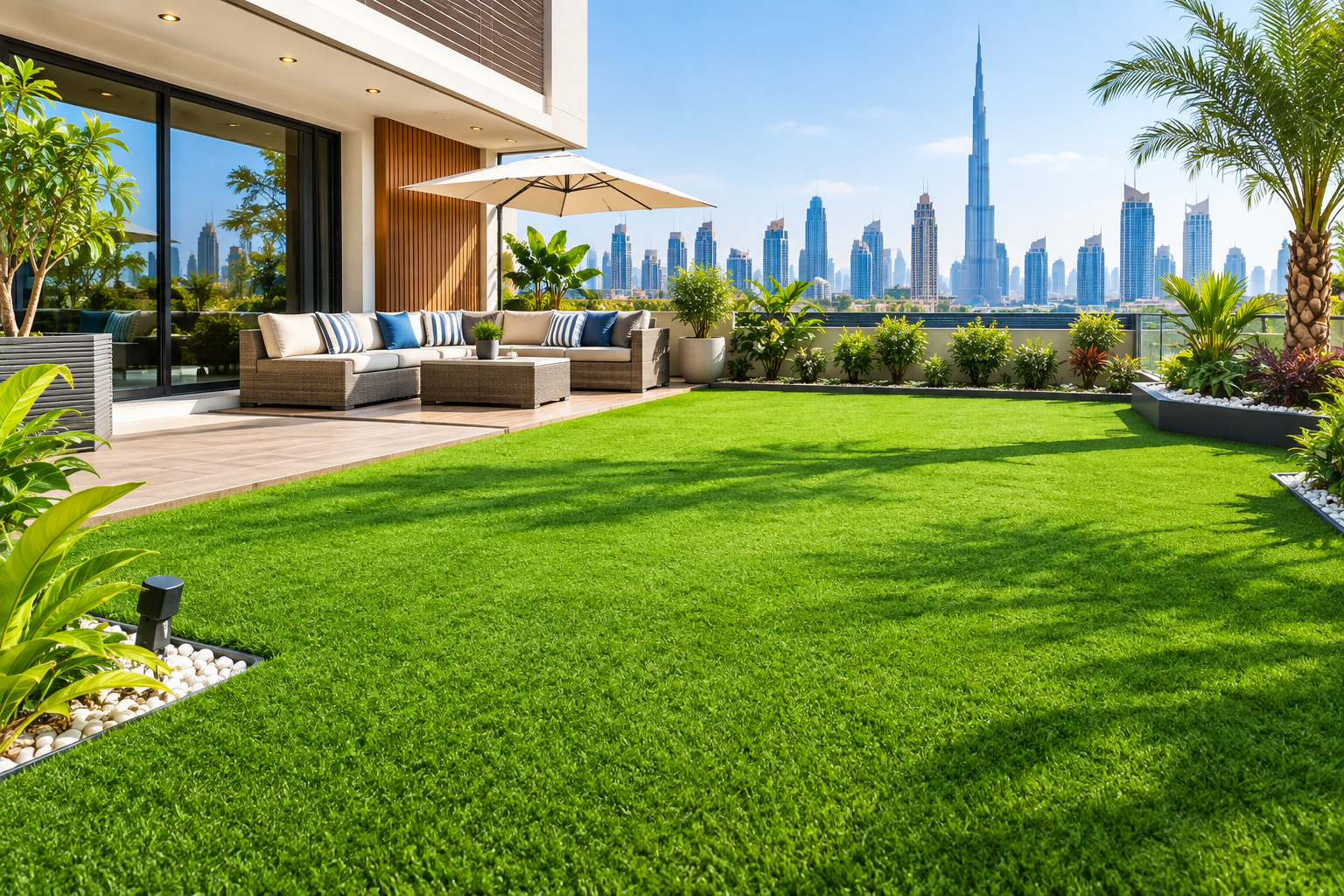
The same surface that appears serene and muted at sunrise may transform into a rich, deep landscape under the flickering glow of evening candlelight. To bridge the transition between the vibrant exterior and the curated interior, one might consider the strategic placement of Artificial Grass near floor-to-ceiling windows. This botanical element serves as a visual buffer, softening the harshness of the desert sun and harmonizing the indoor light with the natural world outside. It creates a seamless dialogue between the organic textures of the landscape and the refined surfaces of your sanctuary.
Managing the Intensity of Natural Light
In sun-drenched rooms, the choice between matte and glossy finishes is paramount. A matte finish, with its quiet elegance, is often preferred for its ability to diffuse glare and maintain color integrity under direct exposure. If your flooring choice leans toward the warmth of natural wood, pairing it with cool-toned walls can act as a sophisticated counterweight to the intense afternoon sunlight. Window treatments, too, are not merely functional; they are the curators of the room's atmosphere, preserving the artisanal textures of your surfaces from the relentless bleaching effect of the sun. It's about controlling the environment to let the materials speak their true language.
Artificial Lighting and the Evening Narrative
The evening narrative is dictated by the precision of Kelvin ratings and the art of coordinating flooring with wall colors under artificial glow. Warm LED lighting, typically around 2700K, enhances the heritage feel of traditional parquet, while cooler 4000K settings highlight the architectural crispness of modern stone finishes. The true connoisseur creates a "mood gallery" by testing samples under diverse lighting conditions, ensuring the coordination remains flawless from dawn to dusk. Accent lighting, when used with intention, can then serve to highlight the intricate, human-touched details that define a luxury home, turning each room into a private exhibition of taste and balance.
Masterful Palettes: Four Proven Frameworks for Pairing Floors and Walls
To move beyond the rudimentary selection of materials, a connoisseur must view these surfaces as a unified composition. These four frameworks serve as the curator's blueprints, guiding the delicate process of coordinating flooring with wall colors to achieve a specific emotional resonance. Whether you seek the boundless freedom of an open gallery or the quiet gravity of a private study, the relationship between the horizontal and vertical planes will dictate the room's narrative. By understanding these archetypes, you can transform a disjointed space into a residence that feels balanced, intentional, and deeply rooted in a sense of place.
The Art of Harmonious Contrast
The High-Contrast Statement is a powerful tool for those who wish to ground their sanctuary. By pairing deep, obsidian-toned Wooden Flooring with ethereal light walls, you create a dramatic foundation that allows architectural moldings and fine art to breathe. This framework relies on a sense of weight; the dark floor acts as an anchor, while the pale walls reflect the region's intense light to maximize perceived volume. To ensure the space remains cohesive, designers often employ a 60-30-10 color rule. Here, 60 percent of the room is dominated by the primary wall tone, 30 percent by the flooring’s secondary character, and 10 percent by the accents in furniture or decor. Conversely, the Ethereal Airy Loft utilizes light floors and walls in tandem, a choice that prioritizes serenity and a feeling of infinite, sun-washed space.
The Tone-on-Tone Approach
In a Monochromatic Sanctuary, the subtle interplay of similar shades creates a sophisticated depth that avoids the "boxed-in" feeling of less intentional designs. The secret lies in selecting wall shades that are exactly two degrees lighter than your flooring. This slight shift in value provides enough definition to distinguish the planes without breaking the visual flow. When the palette is restrained, texture becomes the primary narrator. The tactile grain of a high-end plank or the soft sheen of a wall finish must be varied to maintain interest. For those seeking the ultimate in refined luxury, the Intimate Cocoon employs dark walls and dark floors together. This creates a library-like atmosphere that feels protective and storied, provided that varied material sheens are used to catch the light. To begin selecting the textures for your own masterpiece, explore our exclusive collection of luxury flooring solutions today.
Beyond Color: Integrating Texture and Materiality into Your Design Canvas
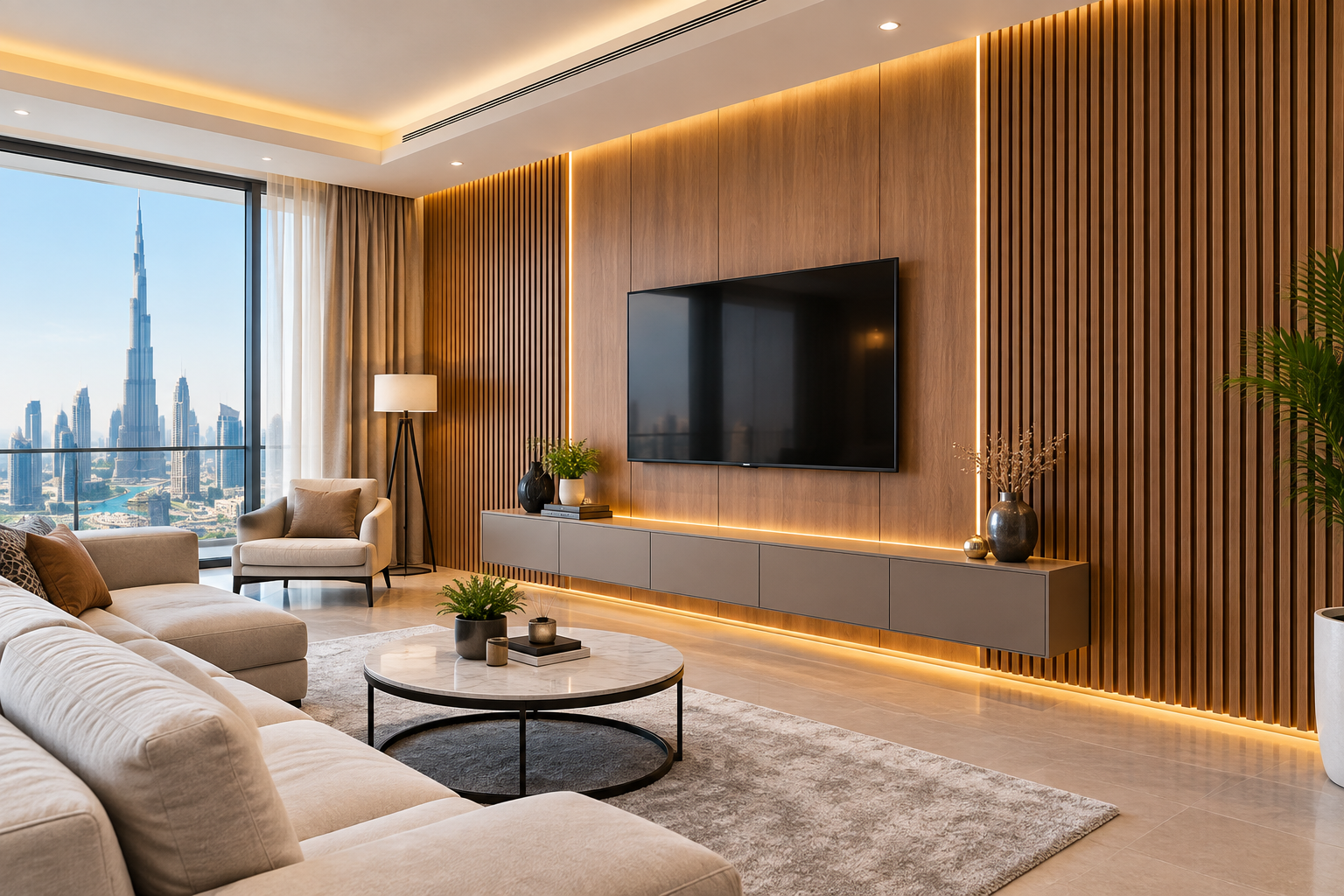
While the chromatic relationship between surfaces defines the room's visual boundaries, it is the integration of texture that provides its tactile soul. True mastery in coordinating flooring with wall colors extends beyond the visible spectrum, reaching into the realm of materiality where the "hand-feel" of a surface is as vital as its hue. The rugged, honest grain of a premium SPC plank introduces a human element that contrasts beautifully against the velvet smoothness of a matte-painted wall, bridging the gap between ancient craftsmanship and the crisp lines of contemporary living. This dialogue of textures ensures that a space feels lived-in and storied, rather than merely staged.
Acoustic softness and visual warmth are the final layers of this interior narrative. By introducing high-end Carpet into specific zones, you create a sensory sanctuary that absorbs the echoes of modern life. The transition from a hard, architectural surface to a plush, woven textile adds a layer of sophistication that color alone cannot achieve. It's a deliberate choice that signals a reverence for comfort and a deep understanding of how different materials influence the inhabitant's emotional state within a curated space.
The Dialogue of Textures
The interplay of light across varied surfaces is where the magic of curation truly resides. When coordinating flooring with wall colors, the connoisseur must consider how light dances across the embossed-in-register (EIR) grain of a premium vinyl surface, mimicking the authentic imperfections of natural timber. This texture adds depth to neutral wall palettes, preventing them from appearing flat. In larger galleries or multipurpose rooms, the intricate patterns of Exhibition Carpets can be utilized to define specific zones, creating a structured flow that guides the eye and the footsteps of your guests with effortless grace.
Finalizing Your Curation
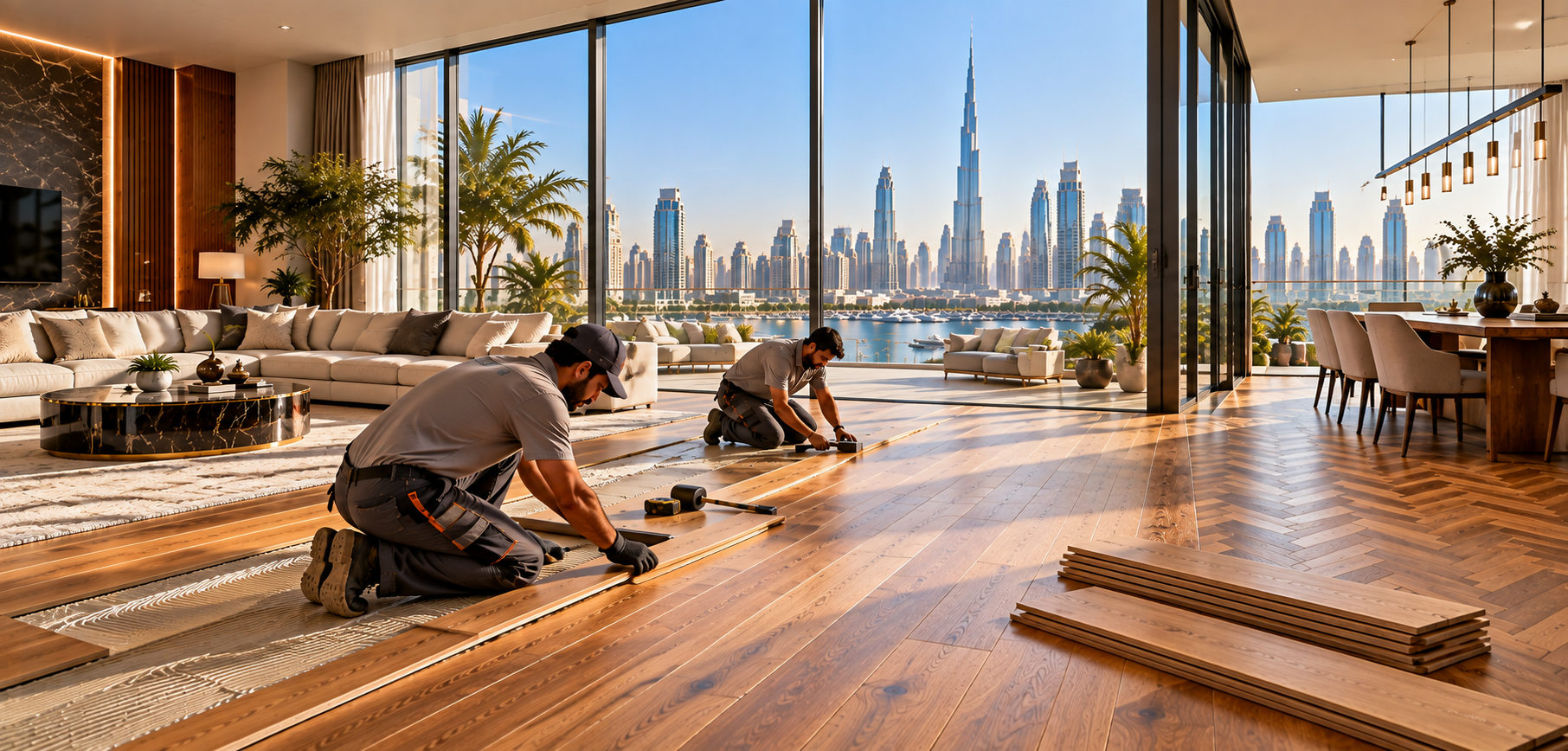
The final stage of your design journey requires a slow, contemplative engagement with your chosen materials. Large-format samples are essential; they allow you to see how the grain of the floor interacts with the pigment of the wall under the shifting light of your own sanctuary. Consulting with a seasoned connoisseur ensures that the technical execution matches your artistic vision, as professional installation is the guardian of lasting value. Before the first plank is laid, review this final checklist for a harmonious interior:
- Undertone Alignment: Ensure the silent language of your flooring's base hues respects the wall's primary pigment.
- Light Synthesis: Verify the combination under both the region's intense natural sun and your evening artificial lighting.
- Tactile Balance: Contrast smooth vertical planes with rich, textured horizontal surfaces for architectural depth.
- Zonal Definition: Use shifts in materiality to create a rhythmic flow throughout the home.
By following these principles, you transform a house into a gallery of personal expression, where every surface tells a story of quality, heritage, and unparalleled beauty.
Realizing Your Vision of Aesthetic Excellence
Achieving a harmonious sanctuary requires more than a mere selection of materials; it demands a deep appreciation for the silent dialogue between every surface in your home. By mastering the art of coordinating flooring with wall colors, you've moved beyond fleeting trends to embrace a design philosophy rooted in balance and intentionality. You now understand how the whisper of an undertone, the sculpting power of natural light, and the tactile depth of a hand-tufted surface work in concert to define the emotional narrative of your living space.
Since 2010, we've served as a bridge between specialized craftsmanship and the most discerning residences across the GCC. Our legacy is built upon a commitment to rarity and quality, offering an exquisite range of SPC, Vinyl, and Hand-Tufted Carpets designed to anchor your interior gallery. With our professional installation specialists ensuring a seamless finish, your vision of a balanced home is within reach. Explore our curated collection of artisanal flooring to begin your home’s transformation. Every masterpiece begins with a single, intentional foundation; we invite you to lay yours with confidence and quiet pride.
Frequently Asked Questions
How do I know if my flooring has a warm or cool undertone?
Identifying the silent language of undertones requires isolation and comparison against a neutral reference point. Place your flooring sample against a sheet of pure white paper in natural, indirect light to reveal its secondary pigments. Warm floors will lean toward golden, red, or honey hues, while cool floors will exhibit hints of grey, blue, or even a subtle green tint beneath the primary surface color.
Should the floor be darker or lighter than the walls in a small room?
Selecting a floor color that is lighter than the walls creates an ethereal sense of expansion in more intimate sanctuaries. While dark floors can ground a room with a sense of gravity, they often draw the visual horizon inward. Lighter tones, such as sun-bleached oak or pale stone finishes, encourage light to bounce across the horizontal plane, making the space feel more voluminous and airy.
Can I mix different types of flooring, like SPC and carpet, with the same wall color?
Mixing diverse materials like rigid SPC Flooring and plush Wall to Wall Carpets is a masterful way to define zones while maintaining a singular, cohesive wall palette. The key to successful coordination is ensuring that both materials share a common undertone. This shared lineage allows the transition from a hard, architectural surface to a soft, tactile textile to feel like a deliberate, artistic progression.
How does the region’s natural light affect grey flooring and white walls?
The intense, golden natural light of the GCC often pulls hidden warmth from grey flooring, potentially making cool-toned materials appear slightly beige or green. When coordinating flooring with wall colors in this environment, it is essential to test samples at both noon and dusk. A crisp white wall may act as a mirror, intensifying these shifts and requiring a paint choice with a subtle, neutralizing undertone.
Is it better to choose the flooring or the wall paint first during a renovation?
Choosing the flooring first is the preferred method for any connoisseur, as the floor serves as the permanent, narrative foundation of the room. While paint colors are nearly infinite and easily adjusted, high-end materials like Parquet Flooring are significant investments with distinct, inherent personalities. Once the floor is selected, the wall color can be precisely curated to respect and enhance its specific materiality.
What wall colors go best with dark wood-look vinyl flooring?
Dark wood-look vinyl finds its most elegant dialogue with walls in ethereal creams, sage greens, or even deep charcoals for a sophisticated, cocoon-like effect. If the floor possesses a rich, reddish undertone, cool-toned walls can provide a refined counterpoint. For a more traditional atmosphere, choosing a warm, neutral beige will highlight the artisanal depth of the grain and create a sense of lasting heritage.
How can I use texture to make a monochromatic room feel more luxurious?
Texture becomes the primary narrator in a monochromatic space, replacing color contrast with tactile variety to prevent the room from feeling flat. Pairing the embossed-in-register grain of premium vinyl with soft, matte wall finishes creates a layered, gallery-like depth. This approach to coordinating flooring with wall colors through materiality ensures the sanctuary feels rich and storied despite a restrained and singular color palette.
Does the sheen of the wall paint impact the floor coordination?
The sheen of your walls fundamentally alters how light interacts with your flooring, directly impacting the perceived harmony of the space. A matte finish absorbs light, providing a quiet, velvet backdrop that allows the intricate textures of the floor to take center stage. Conversely, glossier finishes reflect light downward, which can intensify the color saturation of your floors and potentially create distracting glares in sun-drenched rooms.