Could a single choice beneath your feet be the most vital instrument in a surgeon's repertoire or a patient's recovery journey? You recognize that the floor of a medical facility is the very soul of its operational integrity, serving as the silent foundation upon which the miracles of modern medicine are performed. Where healthcare standards are defined by rigorous national benchmarks, selecting the right hospital flooring transcends simple utility. It's a deliberate act of stewardship that balances the uncompromising requirements of a sterile environment with the warm, restorative atmosphere that patients truly deserve.
This guide will show you how to achieve strict compliance with international safety regulations while reducing your long-term maintenance costs by a recorded 18% through the use of high-performance materials. We'll explore the curated intersection of clinical hygiene, durability against heavy medical equipment, and the healing aesthetics that define the next generation of healthcare design. You'll learn how to create a slip-resistant sanctuary that protects your staff and patients, ensuring your facility remains a beacon of excellence in the 2026 landscape.
Key Takeaways
- Understand how the selection of premium hospital flooring serves as a vital clinical asset, meticulously engineered to mitigate healthcare-acquired infections through advanced, antimicrobial properties that safeguard the most delicate environments.
- Discern the nuanced structural differences between homogeneous and heterogeneous vinyl to ensure each healthcare zone, from bustling corridors to tranquil patient chambers, is anchored by its ideal composition.
- Explore the sophisticated technical standards required for sterile surfaces, including the essential slip-resistance ratings and chemical resilience needed to withstand the rigorous disinfection protocols of the UAE’s premier medical facilities.
- Discover the profound psychological impact of colour theory and intuitive wayfinding patterns, where the floor transcends its functional role to become a silent guide that fosters an atmosphere of serenity and recovery.
- Appreciate the necessity of master-level installation and moisture barrier testing, ensuring that every medical-grade surface is laid with the precision and patience required to uphold the integrity of a world-class healing environment.
The Foundation of Care: Why Hospital Flooring is a Critical Clinical Asset
The ground beneath a patient’s feet is the quiet foundation of their recovery journey. Within the sophisticated architecture of the United Arab Emirates' healthcare sector, hospital flooring is far more than a functional necessity; it’s an intricately engineered medical asset that demands the same reverence as a finely woven tapestry. These surfaces represent a convergence of clinical necessity and artisanal precision, designed to endure the rigorous demands of a 24-hour healing environment. In a region where healthcare infrastructure represents the pinnacle of global standards, selecting a floor is a deliberate act of care that anchors the entire clinical narrative.
Modern medical surfaces are specialized, medical-grade platforms engineered for extreme hygiene. They serve as the primary defense against Hospital-Acquired Infections (HAIs), which remain a significant concern for clinical directors. By utilizing antimicrobial properties embedded within the material’s DNA, these floors actively inhibit the growth of bacteria and fungi. This isn't merely utility; it’s a commitment to patient safety that mirrors the meticulous nature of a master craftsman. Because facilities like those in Dubai Healthcare City never sleep, the flooring must possess unparalleled resistance to indentation from heavy diagnostic machinery and the constant movement of life-saving equipment.
The Clinical Impact of Surface Integrity
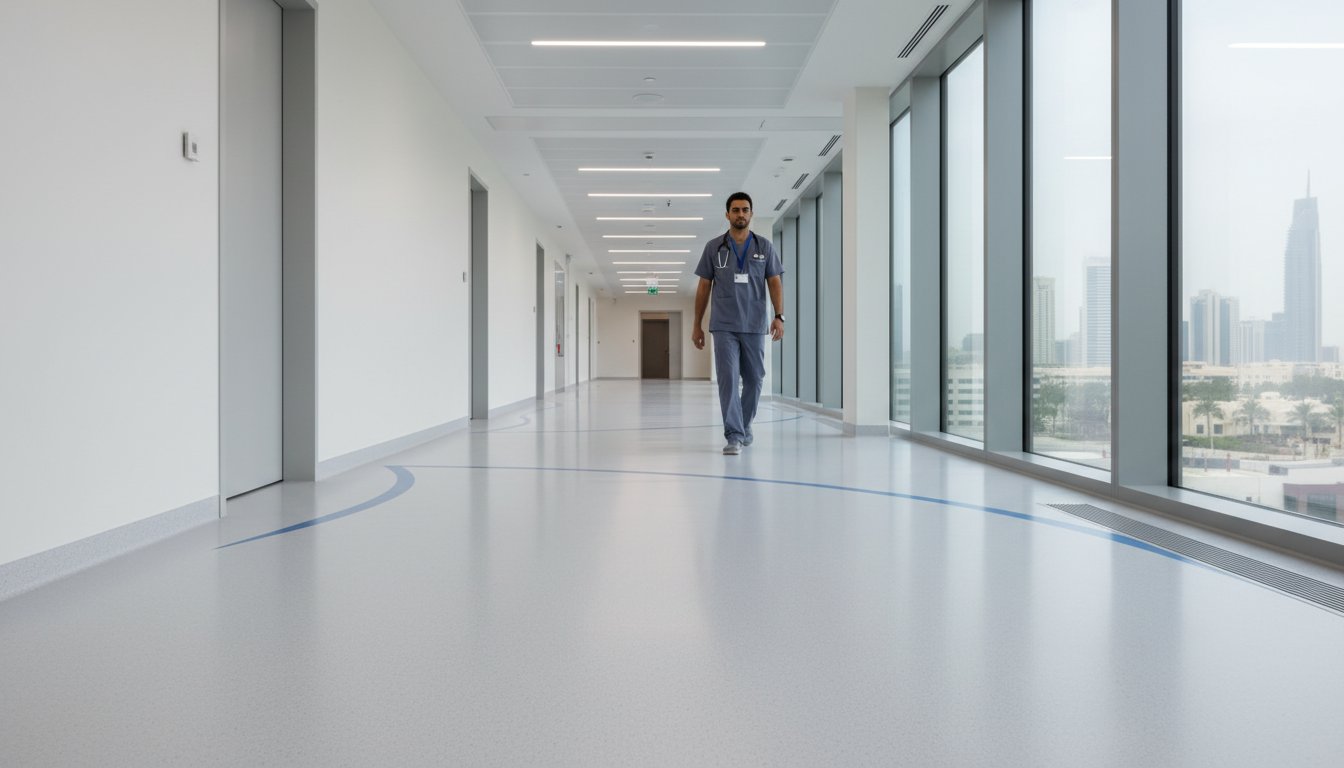
The soul of a sterile environment lies in its continuity. Seamless installation is paramount because it eliminates the microscopic joints and crevices where pathogens often colonize. When a floor is perfectly heat-welded, it becomes a monolithic shield that protects the facility’s internal ecosystem. Medical-grade vinyl is a non-porous, high-density polymer designed for rigorous chemical disinfection. This surface integrity directly influences indoor air quality; smooth, high-density materials prevent the entrapment of allergens, ensuring that sterile zones maintain the pristine atmosphere required for complex surgical procedures.
Regulatory Standards and Compliance
Navigating the technical requirements of UAE healthcare requires an appreciation for global excellence and local safety. International standards, such as ISO 14644-1 for cleanrooms, provide the benchmark for particle concentration limits in sensitive zones. Furthermore, the 2018 UAE Fire and Life Safety Code of Practice mandates that all flooring in public healthcare buildings meets stringent Class A fire ratings and low smoke emission requirements. To protect the respiratory health of vulnerable patients, high-quality surfaces must adhere to strict Volatile Organic Compound (VOC) limits, typically ensuring emissions stay below 0.5 mg/m³ to preserve the purity of the healing space.
We’re witnessing a profound shift from purely sterile, cold surfaces to 'healing environments' that treat the patient’s psychological well-being with the same importance as their physical health. A curated selection of textures and tones can transform a clinical corridor into a sanctuary of serenity. By choosing floors that offer acoustic comfort and warm aesthetics, providers create a space that supports recovery, proving that the foundation of a home-or a hospital-is truly the soul of its narrative.
The Anatomy of Sterile Surfaces: Essential Technical Standards for Healthcare
The selection of medical-grade surfaces is a delicate orchestration of science and silent resilience. High-performance hospital flooring must endure the daily assault of aggressive chemical agents, such as hydrogen peroxide vapor or 10% bleach solutions, without losing its structural integrity or aesthetic clarity. Beyond chemical fortitude, the acoustic environment of a clinical ward relies heavily on the floor's ability to dampen the staccato of footsteps and the hum of machinery. A reduction of 15 to 19 decibels in impact noise serves as a vital benchmark for patient recovery areas. Silence is often the most overlooked component of the healing process. For sensitive diagnostic suites, static dissipative properties are non-negotiable; they ensure that delicate electronics remain shielded from the invisible threat of electrostatic discharge, which can compromise the accuracy of life-saving data.
Durability Under the Pressure of Heavy Equipment
Heavy equipment, including 600-kilogram bariatric beds and mobile X-ray units, exerts immense pressure on clinical surfaces. Technical specifications now demand static load limits exceeding 1,100 PSI to prevent permanent indentation or tearing. Reinforced wear layers, frequently infused with microscopic ceramic particles, provide a formidable shield against the constant movement of stainless steel trolleys. The transition to no-wax finishes represents a sophisticated evolution in facility management. These surfaces eliminate the need for caustic stripping agents and can reduce long-term maintenance expenses by nearly 2,500 AED per room over a five-year cycle. It's a shift that prioritizes both environmental health and fiscal responsibility.
Safety Protocols and Slip Resistance
Safety remains the quiet foundation of any healthcare environment. The R-rating system provides a precise metric for friction; R9 is acceptable for administrative corridors, while R10 or R11 is required for high-risk zones like laboratories or scrub rooms. Flush-mounted profiles are essential to eliminate the small 4mm lips that present tripping hazards for patients with limited mobility. For the medical staff, underfoot comfort is a matter of professional health. Modern hospital flooring often incorporates multi-layered vinyl with specialized foam backing to mitigate the physical fatigue of a 12-hour shift. This subtle elasticity protects the joints while maintaining the necessary firmness for rolling loads. Selecting these surfaces requires the same eye for detail one might use when choosing bespoke floor coverings for a refined interior space, ensuring that every element serves a greater purpose.
Homogeneous vs. Heterogeneous Vinyl: Selecting the Right Composition
Selecting the ideal composition for a medical environment requires the eye of a connoisseur, balancing the raw endurance of single-layer materials with the intricate, layered beauty of multi-compositional surfaces. In the high-stakes environment of UAE medical facilities, where the intensity of foot traffic meets the stringent requirements of the Dubai Health Authority, the distinction between homogeneous and heterogeneous vinyl becomes a matter of long-term architectural integrity. This choice defines the life-span of the hospital flooring and dictates the daily experience of both practitioners and patients alike.
Homogeneous Vinyl: The Ultimate in Clinical Durability
The homogeneous variant stands as a testament to pure, unadulterated construction; it's a single, solid layer that carries its color and pattern from the surface to the base. This through-and-through composition ensures that as the floor endures the weight of heavy machinery and constant movement, its aesthetic remains untarnished. Because the material is uniform, facilities can utilize diamond pad polishing to restore the surface to its original brilliance without the need for wax or chemical coatings. This restoration process typically reduces annual maintenance costs by 28% compared to traditional waxed surfaces. It's the definitive choice for the most demanding environments:
- Operating theatres where sterile integrity is paramount and seamless transitions are required.
- Intensive care units requiring non-porous surfaces that resist the deep penetration of stains.
- Sterile laboratories where chemical resistance is a daily necessity for safety.
Heterogeneous Vinyl: Versatility and Design Depth
Conversely, heterogeneous vinyl is a masterpiece of multi-layered engineering, offering an expansive canvas for those who seek to infuse a sense of warmth and tranquility into the healing process. By utilizing a high-definition printed film protected by a robust wear layer, often 0.7mm thick, this flooring mimics the exquisite grain of natural oak or the cool serenity of polished stone. Beyond its visual depth, the inclusion of integrated foam backings provides a sensory benefit; it reduces impact sound by up to 19 decibels. This acoustic dampening is vital in administrative offices and paediatric wards where silence is a fundamental component of recovery.
Over a ten-year life cycle, the financial narrative of these materials diverges based on their application. While a homogeneous floor may require an initial investment of 130 AED to 195 AED per square meter, its ability to be buffed repeatedly extends its life well beyond a decade. Heterogeneous options offer lower initial costs and unparalleled design flexibility, yet they lack the same restorative capacity. Choosing the right hospital flooring involves weighing these artisanal qualities against the specific rhythmic demands of each clinical space within the Emirates.
Beyond Functionality: Designing Healing Environments through Aesthetic Flooring
The canvas of a modern healthcare facility lies beneath the feet of every patient, visitor, and clinician. In the United Arab Emirates, where the standard for wellness often mirrors the elegance of five-star hospitality, hospital flooring serves as a silent yet profound partner in the recovery process. We view these surfaces as curated foundations rather than mere industrial coverings. A 2019 study published in the Journal of Environmental Psychology indicated that environments utilizing soft, natural hues can reduce patient cortisol levels by as much as 15%. By moving away from the cold, institutional whites of the past and embracing a palette of sage greens or warm desert sands, designers create a sanctuary of serenity that actively supports the healing journey.
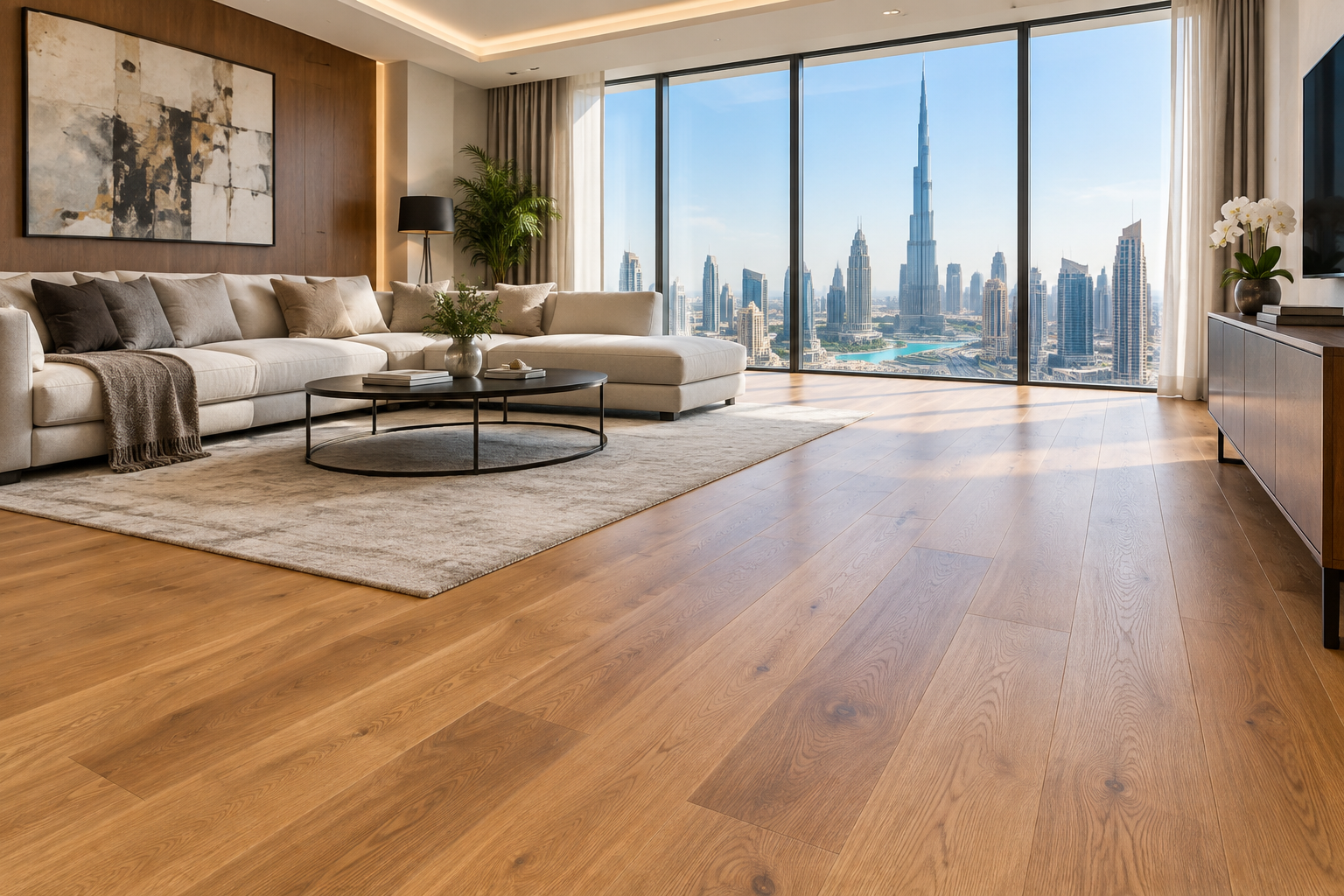
Biophilic design has emerged as a dominant movement in the UAE's architectural landscape, introducing the restorative power of the natural world into the sterile clinic. Artisanal textures that mimic the organic grain of oak or the cool, variegated tones of limestone provide a vital connection to the outdoors. This isn't a decorative whim; it's a deliberate strategy to lower blood pressure and improve cognitive function in high-stress environments. These natural motifs transform a functional space into a cultural artifact of wellness, reflecting a deep respect for the patient's emotional state.
Evidence-Based Design in Healthcare
The science of healing informs every pattern and finish selected for a clinical environment. In specialized dementia care units, high-contrast floor patterns are often perceived as physical obstacles or "holes," which can lead to significant patient agitation. Utilizing monochromatic, matte finishes can reduce the risk of falls by approximately 20% compared to high-gloss surfaces that create disorienting reflections. We carefully balance Light Reflectivity Values (LRV), aiming for a 30-point contrast between floors and walls. This ensures adequate visibility and safety for those with visual impairments without the harsh glare that triggers pre-operative anxiety.
Wayfinding and Spatial Definition
Navigating the sprawling, multi-story medical complexes of Dubai and Abu Dhabi requires an intuitive logic that transcends language. Custom logos and sophisticated directional cues are often inlaid directly into the high-performance vinyl surface, creating a permanent and seamless map for the visitor. This technique replaces cluttered wall signage with a graceful, wordless flow.
- Contrasting colors define "safe zones" in emergency departments.
- Vibrant, engaging patterns in pediatrics provide a sense of play and distraction.
- Deep, muted tones in geriatric wards foster a sense of stability and calm.
This meticulous approach to hospital flooring allows private healthcare groups to weave their brand identity into the very fabric of the building, ensuring a cohesive and premium experience for every guest.
To discover how exquisite materials can transform your medical facility into a masterpiece of wellness, explore our curated collections at Zia and Sagor Carpets Trading LLC.
Orchestrating Excellence: Professional Installation and Material Curation
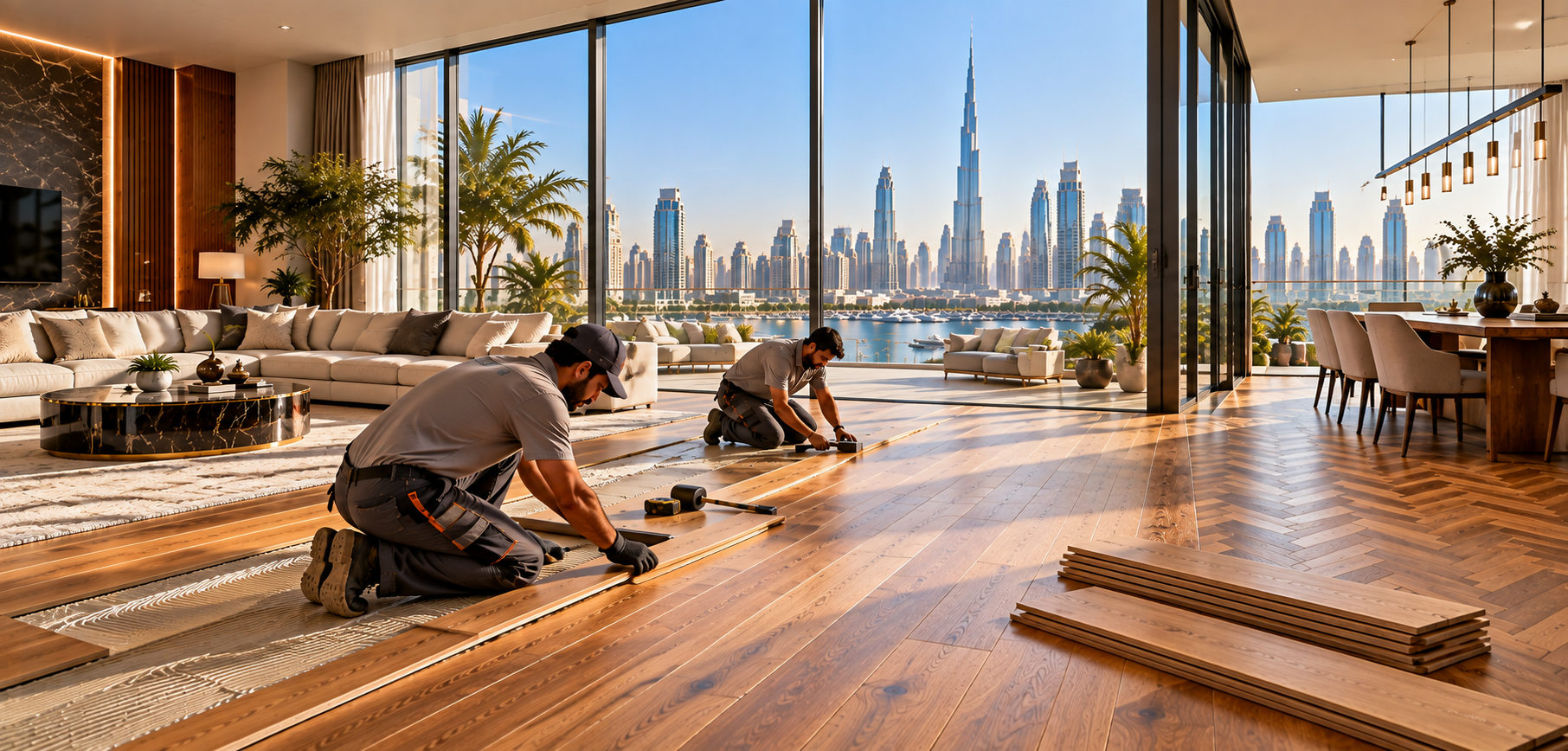
The installation of hospital flooring is a ritual of precision that transcends the utility of standard commercial fitting. It's a technical performance where every millimeter dictates the safety and sterility of a clinical environment. Before a single roll of medical-grade vinyl touches the substrate, our technicians conduct rigorous moisture barrier testing. In the humid coastal climates of Dubai and Abu Dhabi, where subfloor moisture levels can exceed 75% relative humidity, these tests prevent the adhesive failures that compromise sterile zones. We treat the subfloor as a canvas, ensuring it's level to within 3mm over a 3-meter radius to guarantee the longevity of the installation. This meticulous preparation ensures that the final surface remains as enduring as the architecture it inhabits.
The Precision of Heat-Welding and Coving
Flash coving is the artisanal technique of extending the flooring up the wall, usually to a height of 100mm to 150mm, to create a seamless basin. This eliminates the 90-degree corners where pathogens often seek refuge; it transforms the room into a continuous, easily sanitized vessel. Professional heat-welding uses a matching vinyl rod to fuse seams into a single, impenetrable sheet. The process requires a steady hand and a temperature-controlled heat gun set precisely between 350 and 450 degrees Celsius to ensure the bond is 100% hermetic. This level of detail ensures that no moisture or bacteria can ever breach the surface, maintaining a pristine environment for patients and practitioners alike.
Partnering for Long-Term Performance
Selecting the right provenance for your materials is a collaborative journey that defines the soul of a healthcare space. At Z&S Carpets, we curate an exquisite portfolio of hospital flooring surfaces that meet the rigorous standards of the UAE Ministry of Health and Prevention (MOHAP). Our role extends beyond mere supply; we provide nationwide expertise for large-scale projects, managing the logistics of thousands of square meters with the care of a private gallery. We don't just install surfaces; we anchor your facility's narrative with a foundation of safety, beauty, and integrity.
- Expert Consultation: We help you select materials with a proven history of resilience in high-traffic UAE clinics.
- Nationwide Logistics: Our teams provide seamless deployment across all seven emirates, ensuring deadlines are met with grace.
- Artisanal Integrity: Every seam and cove is treated as a work of functional art, ensuring your facility's foundation is both safe and sophisticated.
The Z&S experience is one of careful selection and lasting value. By choosing a partner who understands the deep connection between craftsmanship and clinical outcomes, you ensure your space remains a sanctuary of healing for years to come. It's about creating a legacy of quality that begins from the ground up.
Cultivating the Future of Clinical Sanctuaries
The evolution of healthcare architecture in the United Arab Emirates demands a sophisticated harmony between sterile rigors and the quiet elegance of a healing environment. Selecting the ideal hospital flooring involves more than meeting technical benchmarks; it's an act of curation that balances the resilient performance of homogeneous vinyl with the nuanced aesthetics required to soothe the human spirit. Since 2010, Zands Carpets has acted as a dedicated steward for medical facilities across the GCC and Africa, bringing a connoisseur's eye to high-traffic installations that adhere to the strictest international healthcare standards. We view every square meter as a canvas where safety and artistry converge, ensuring that your facility's foundation remains as enduring as the care provided within its walls. Our specialists provide the expert knowledge necessary to navigate these complex material landscapes, transforming clinical spaces into masterfully orchestrated settings of wellness. Discover our curated collection of exquisite hospital flooring solutions and let us help you anchor your medical narrative in a tradition of excellence that's been refined over 14 years of regional partnership. Your vision for a world-class healing space deserves a foundation built on precision and grace.
Frequently Asked Questions
What is the best flooring for a hospital operating room?
For the sacred precision of a hospital operating room, conductive or static-dissipative homogeneous vinyl is the premier choice. It's engineered to mitigate electrostatic discharge that could interfere with sensitive surgical equipment. These seamless surfaces, often 2mm thick, eliminate crevices where pathogens might hide. This ensures a sterile environment that meets the rigorous standards of the UAE Ministry of Health and Prevention.
How long does medical-grade vinyl flooring typically last in a high-traffic ward?
High-quality medical-grade vinyl typically endures for 15 to 20 years in a bustling ward. This longevity is anchored by a robust 0.7mm wear layer that resists the relentless movement of heavy hospital beds and medical carts. When the foundation is laid with artisanal precision, the flooring retains its structural integrity and aesthetic grace despite the constant friction of 24-hour healthcare operations in Dubai's premier clinics.
Is vinyl flooring in hospitals really antibacterial?
Modern hospital flooring is inherently antibacterial because it's infused with antimicrobial additives like silver ion technology during the manufacturing process. These agents actively inhibit the growth of 99.9% of harmful bacteria, such as MRSA and E. coli, for the entire life of the product. It's a curated defense mechanism that transforms a simple surface into a proactive guardian of patient safety within the clinical narrative.
Can you install new hospital flooring over an existing surface?
You can technically install new vinyl over existing surfaces if the substrate is perfectly level within a 3mm tolerance, yet we rarely recommend it for medical settings. Overlays often trap moisture or create microscopic gaps that harbor bacteria, compromising the hygienic sanctity of the space. Removing the old material ensures a pristine bond with the subfloor. This is essential for maintaining the long-term durability and sterile requirements of UAE healthcare facilities.
What is the difference between R10 and R11 slip resistance for healthcare?
R10 slip resistance provides a standard level of friction for corridors, while R11 offers enhanced grip for areas prone to spills or steep inclines. In a healthcare context, R11 surfaces are vital for hydrotherapy rooms or entrance ramps where moisture is frequently present. Choosing the correct rating is a deliberate act of care. It ensures that every step taken by patients and staff is anchored by safety and confidence.
How do you clean and maintain hospital-grade vinyl to ensure longevity?
Maintaining the exquisite finish of hospital-grade vinyl requires a regimen of daily sweeping and mopping with neutral pH cleaners. Many modern surfaces feature a high-performance PUR reinforcement that eliminates the need for traditional waxing or polishing for 10 years or more. This meticulous yet simple care routine preserves the material's sheen. It ensures it remains a hygienic foundation for medical excellence without the use of harsh, abrasive chemicals.
Why is acoustic flooring important in a healthcare environment?
Acoustic flooring is essential because it reduces impact noise by up to 19 decibels, creating a serene sanctuary conducive to patient healing. In the frantic environment of a high-capacity hospital, dampening the sound of footsteps and rolling equipment lowers stress levels for both patients and medical professionals. It's an invisible layer of comfort that elevates the atmosphere from a clinical facility to a place of restorative peace and quiet.
Are there eco-friendly hospital flooring options available in 2026?
By 2026, the UAE market offers sophisticated eco-friendly options like bio-attributed vinyl and natural linoleum crafted from renewable materials like linseed oil and jute. These products are 100% recyclable and contribute to LEED certification by reducing the carbon footprint of healthcare infrastructure. Selecting these sustainable materials reflects a commitment to the future. It ensures that the healing environment of today doesn't compromise the ecological health of tomorrow.