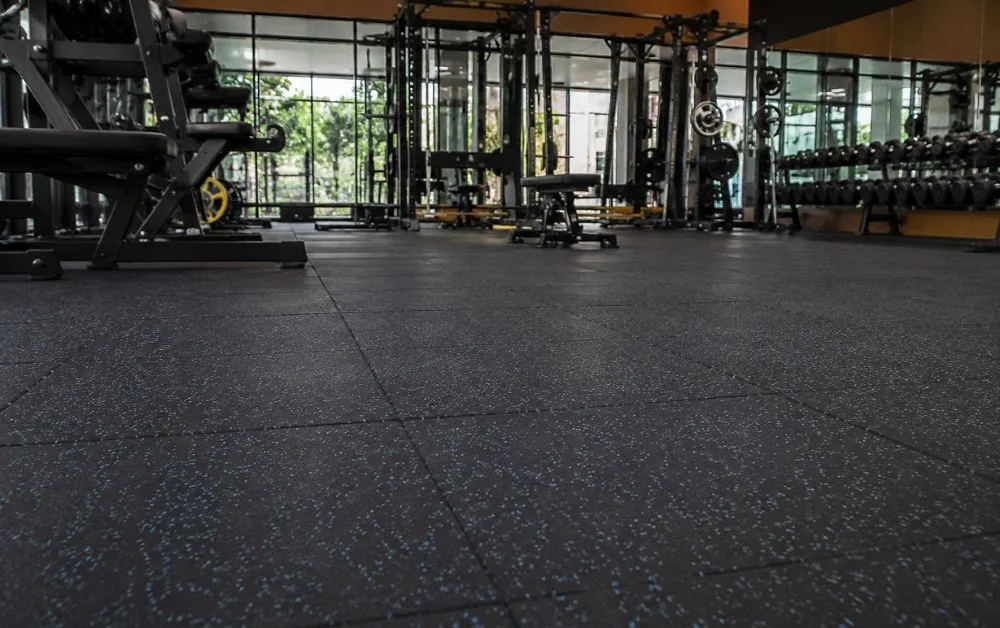
Creating the right floor environment in a gym or fitness facility is one of the most important infrastructure decisions affecting both safety and training quality. A quality rubber gym floor provides the shock absorption, traction, and durability that fitness environments demand — protecting both users and equipment while creating an environment that encourages performance. Professional gym flooring tiles from Z&S Carpets are available in the configurations and specifications appropriate for every type of fitness space, from small studio gyms to large commercial gym flooring installations in hotels, corporate wellness centers, and specialist training facilities.
Why Rubber Is the Premier Material for Gym Floors
Rubber has become the standard material for gym flooring because its physical properties uniquely match the requirements of fitness environments. The natural elasticity of rubber absorbs the shock forces generated when weights are dropped, when athletes land from jumps, and when heavy gym equipment is moved or repositioned — protecting the structural floor beneath and reducing the noise transmitted to adjacent spaces. Rubber surface texture provides the grip needed for safe exercise — preventing slipping during high-intensity training while allowing controlled movement for exercises that require directional transitions. Chemical resistance to sweat, cleaning products, and incidental oil contamination from equipment maintenance prevents the degradation that would affect alternative flooring materials in gym environments. And rubber durability — measured in millions of compression cycles rather than the thousands that most flooring materials are tested to — ensures that gym flooring maintains its protective properties across years of intensive daily use.
Gym Floor Thickness and Application Requirements
Rubber gym flooring is manufactured in different thicknesses appropriate for different application requirements, and selecting the correct thickness is important for both safety and economics. Heavy weightlifting areas where barbells and dumbbells are dropped from shoulder height or above require the thickest flooring available — typically 15mm to 30mm or even thicker for Olympic lifting platforms — to absorb the significant impact forces without transmitting them to the structural floor. Cardio equipment areas where treadmills, ellipticals, and bikes are in constant use require moderate thickness rubber that provides vibration absorption and protects the subfloor from machine feet. Stretching and bodyweight training areas require thinner rubber that provides comfortable cushioning for floor exercises without the tripping hazard that thick rubber edges can create in multi-use areas. Z&S Carpets advises clients on appropriate thickness selection for each zone of their fitness facility.
Suggested Read-Rubber Flooring for Gyms vs Play Areas: What’s the Difference?
Commercial Gym Flooring for Hotels and Corporate Facilities
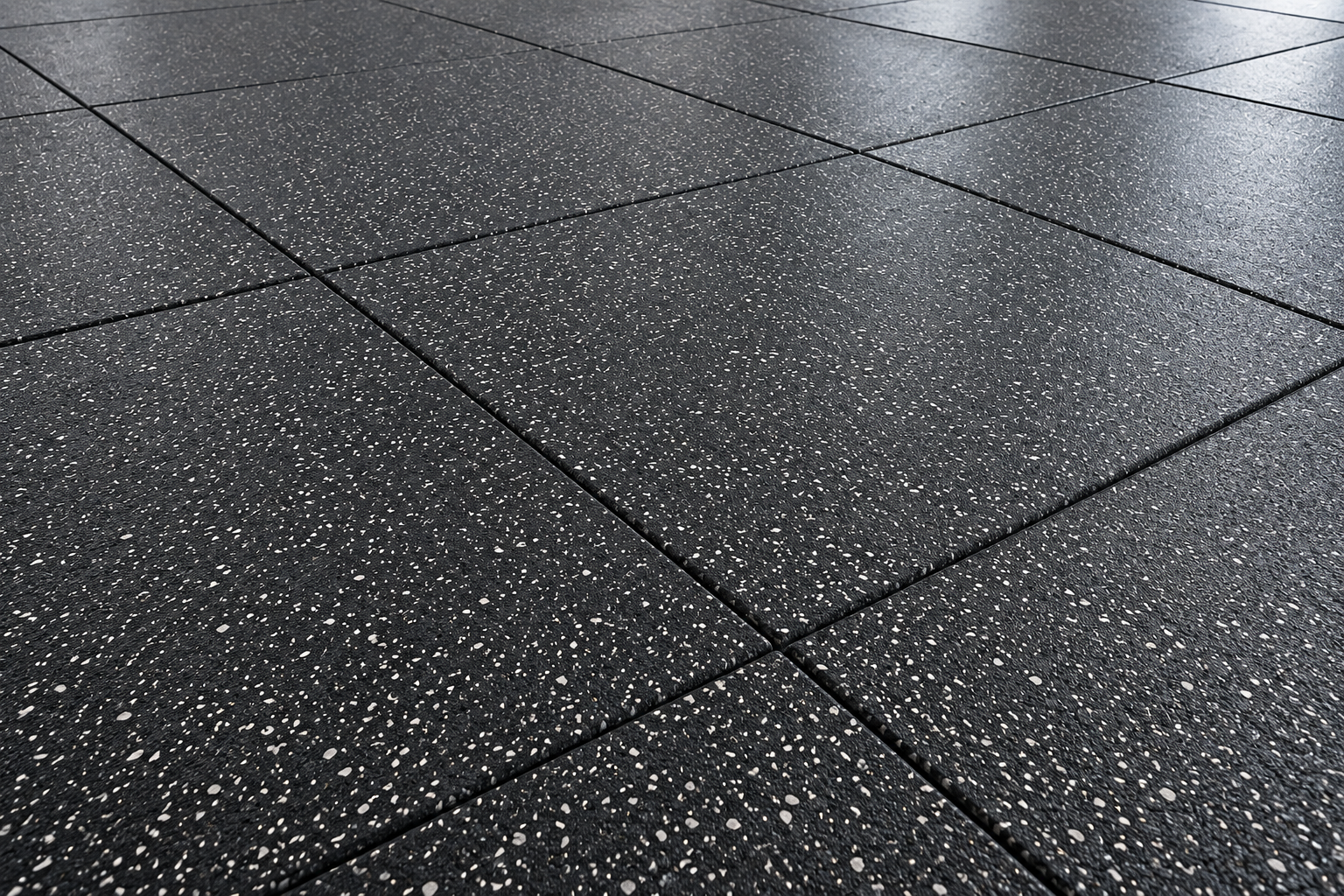
Hotel gyms, corporate wellness centers, and branded fitness facilities have specific requirements that go beyond standard gym flooring performance. Aesthetic quality is important in premium hospitality and corporate environments — flooring should look professional and align with the overall interior design direction of the facility. Color selection for commercial gym flooring is wider than the standard black that dominates budget gym installations, with colored flecks, colored borders, and full-color rubber flooring options available for facilities that want to create branded or visually distinctive environments. And the durability requirements of commercial gym flooring must account for the high usage intensity of facilities that may be open 18 or more hours per day. Z&S Carpets supplies commercial-grade gym flooring solutions for Dubai's hotel and corporate fitness market.
Installation Considerations for Gym Floors
Professional gym floor installation requires careful preparation and execution that affects both the performance and longevity of the installed floor. Subfloor assessment verifies that the concrete substrate is level, dry, and structurally sound before installation begins. Moisture testing is particularly important for thick rubber flooring where trapped moisture can cause adhesive failure and flooring displacement. Layout planning determines the most efficient way to install tiles or rolls to minimize waste while achieving the desired appearance. Edge finishing with rubber transition strips provides clean, safe edges where gym flooring meets adjacent flooring types. And adhesive selection ensures that the bond between rubber and substrate is appropriate for the expected loads and the specific rubber formulation used.
Maintenance Requirements for Rubber Gym Flooring
Quality rubber gym flooring is low-maintenance but requires consistent care to maintain its appearance and hygiene in the intensive environment of a commercial fitness facility. Daily sweeping or vacuuming removes loose dirt, hair, and debris that would otherwise be ground into the rubber surface by foot and equipment traffic. Regular mopping with appropriate cleaning solution removes sweat residue, body oils, and surface soiling that accumulates during heavy gym use. Periodic deep cleaning with professional floor cleaning equipment removes ingrained soiling that regular mopping cannot address. And routine inspection for any damaged or loose tiles allows prompt replacement before small damage issues develop into safety hazards. Z&S Carpets provides maintenance guidance for all gym flooring installations.
Conclusion
Gym flooring is the foundation — literally — of every workout performed on it, affecting safety, performance, and the durability of both the surface and the equipment resting on it. Z&S Carpets provides gym flooring solutions that are engineered for the demands of professional fitness environments, giving gym owners the confidence that their flooring investment will perform reliably and safely for years. Contact Z&S Carpets today for gym flooring consultation.