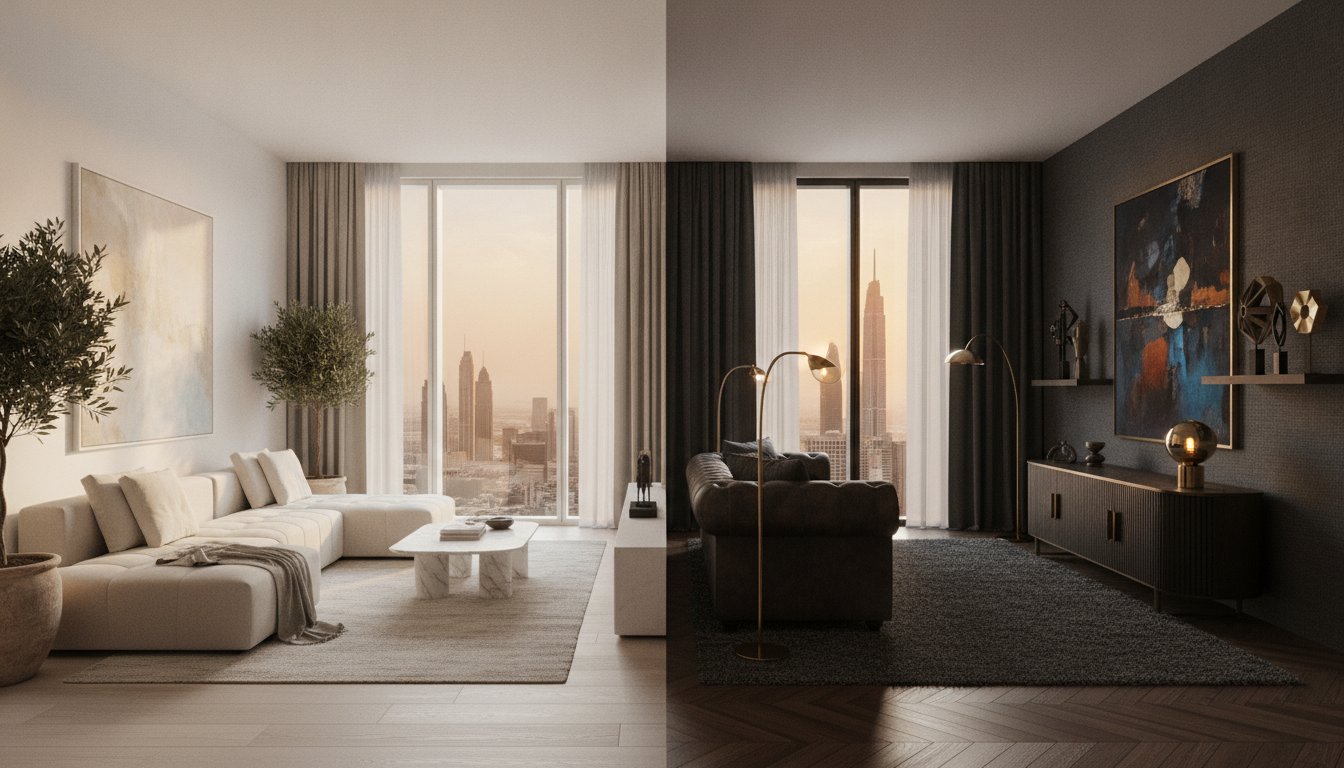
The floor beneath your feet is far more than a mere surface; it's the silent protagonist of your home's architectural story, an expansive canvas that dictates the very soul of a room. You likely understand the weight of this decision, feeling the tension between the ethereal airiness of a pale oak and the commanding, historic depth of a midnight walnut. When weighing the light vs dark flooring pros and cons, it's natural to fear that a deep hue might betray every stray speck of dust or that a lighter tone might feel uninspired and clinical.
This guide serves as your personal curator, offering a deep exploration into how these tonal choices influence spatial perception, psychological comfort, and the enduring value of your estate. You'll discover the practical nuances of modern matte finishes and the art of harmonizing natural light with rich textures. We'll examine the shift toward warm, nature-inspired neutrals and provide the clarity you need to select a foundation that isn't just a floor, but a legacy of aesthetic excellence and historical integrity.
Key Takeaways
- Appreciate the light vs dark flooring pros and cons to harmoniously balance ethereal expansiveness with the dramatic, grounded heritage of deep, artisanal hues.
- Learn how light-toned canvases act as a conduit for natural light, effortlessly transforming confined chambers into airy, serene sanctuaries.
- Discover the methodology of anchoring an interior narrative with dark flooring, creating a sophisticated contrast that evokes a profound sense of permanence.
- Conduct a lifestyle audit to align your aesthetic aspirations with the practical maintenance realities of your household, ensuring your selection remains a pristine masterpiece.
- Explore the nuanced middle ground where specialized craftsmanship and versatile medium tones offer a resilient yet elegant foundation for the modern collector’s home.
Table of Contents
The Foundational Canvas: Why Floor Colour Dictates Interior Narrative
To enter a room is to step upon its narrative foundation, a vast expanse that serves as the silent anchor for every architectural element. While walls often capture the immediate gaze, the floor remains the "fifth wall," the singular horizontal plane that defines the volume and character of the living space. Selecting the foundation of one's sanctuary is a contemplative act of curation. When weighing the light vs dark flooring pros and cons, the decision becomes a study in how weight and light define the human experience within a room. This foundational surface establishes the chromatic baseline, dictating whether your curated collection of furniture will appear to float ethereally or sit with grounded, historic weight. Understanding What is Flooring? requires looking beyond the material itself to its role as a cultural artifact that anchors the home's identity for generations.
The Psychology of Visual Weight
Darker tones, such as deep charcoal or rich, wire-brushed walnuts, possess a gravitational quality that pulls the eye downward. This effect creates a sense of stability and permanence, reminiscent of ancient estates where the floor was meant to feel as enduring as the earth itself. It's a choice that favors intimacy and quiet confidence. Conversely, lighter shades act as a centrifugal force. They push the boundaries of the room outward, dissolving the corners to create an illusion of boundless, airy expansiveness. In communal galleries, light floors invite movement and conversation. Private libraries, however, often benefit from the protective embrace of a darker palette. This psychological shift is the primary reason why the choice of hue remains a profound, long-term commitment to the home’s character.
The Interplay of Light and Surface
The soul of a floor is revealed through its interaction with light. Every surface possesses a Light Reflectance Value (LRV), a metric that determines how much illumination is absorbed or cast back into the room. A sun-drenched atrium will amplify the brilliance of a light-colored floor, potentially creating a space that feels transcendent. However, the same shade in a windowless corridor might lose its luster, appearing flat or uninspired without the dance of natural rays. Darker floors require a more deliberate lighting strategy. They absorb high-intensity light to reveal the intricate textures of the grain, though they may demand supplementary warmth in shaded corners to prevent a sense of coldness. When considering the light vs dark flooring pros and cons, one must audit the natural rhythm of the sun within their specific architecture.
- Light Tones: Maximize perceived volume and brightness, ideal for smaller chambers.
- Dark Tones: Provide a dramatic contrast for lighter walls and high-end furnishings.
- Mid-Tones: Offer a bridge between the two, balancing stability with light retention.
The Ethereal Allure of Light Flooring: Cultivating Air and Serenity
Light flooring is a masterstroke of spatial alchemy. It possesses the rare ability to dissolve the physical boundaries of a room, making even the most modest chamber feel like an expansive gallery. From the delicate whispers of bleached oak to the warm, tactile invitation of soft sand tones, these hues act as a reflective medium. They catch every stray beam of light, bouncing it across the room to illuminate shadows that might otherwise feel heavy. When weighing the light vs dark flooring pros and cons, the primary advantage of a pale palette is its capacity to transform a dim interior into a sanctuary of air and serenity.
Beyond the visual expansion, light surfaces offer a significant thermal advantage, particularly in climates defined by high-intensity sunlight. Instead of absorbing the sun’s heat and radiating it back into the living space, these floors reflect energy, helping to maintain a cooler ambient temperature. This choice also provides a "clean slate" effect. It allows your statement furniture, perhaps a rare antique or a piece of artisanal heritage furniture, to take center stage without competing for visual dominance. It's the floor of a connoisseur who values clarity and the quiet power of understated elegance.
Pros of Light Flooring Palettes
The practical benefits of a lighter foundation are as compelling as its aesthetic charm. These tones are exceptionally forgiving in a lived-in home, particularly when considering the inevitable rhythm of daily life. They excel at camouflaging pet hair, common household dust, and light-colored debris that would otherwise stand out on a darker surface. Minor surface abrasions, which can occur over time in even the most resilient vinyl flooring, remain largely invisible to the naked eye. They effortlessly enhance the airy, minimalist feel of contemporary or coastal-inspired designs, lending a sense of weightless luxury to the floor.
Potential Drawbacks of Pale Hues
While light flooring evokes a sense of purity, it does require a mindful approach to care. The very brightness that opens a room can also highlight specific types of imperfections that a darker floor might hide. Dark liquids, such as coffee or red wine, pose a greater risk of visible staining if they aren't addressed with immediate care. There is also a subtle risk of creating a "cold" or "clinical" atmosphere if the room isn't balanced with warm textures, such as woven textiles or natural wood accents. Damp soil, dark mud, or black scuff marks from certain rubber-soled footwear will appear more prominently against a pale backdrop, requiring a more vigilant cleaning routine for high-traffic entryways.
To find the perfect balance for your sanctuary, you must consider the unique rhythm of your daily life. Choosing a floor is about more than just color; it's about selecting the heartbeat of your home, ensuring it remains a source of pride for years to come. You may find that exploring a variety of textures in modern vinyl options provides the durability needed to maintain this ethereal aesthetic without the stress of constant upkeep.
The Sophisticated Depth of Dark Flooring: Anchoring Spaces with Timeless Drama
While light floors offer a sense of boundless air, dark foundations provide the gravitational pull necessary to anchor a room’s narrative in a sense of heritage and permanence. There is an undeniable "Heritage" effect associated with deep tones; they evoke the quiet dignity of ancient libraries and the storied halls of historic estates. Choosing a dark palette is a deliberate act of curation. It signals a preference for drama and a commitment to a space that feels grounded rather than fleeting. When navigating the light vs dark flooring pros and cons, the primary allure of the dark choice lies in its ability to transform a vast, echoing hall into an intimate sanctuary where every piece of furniture feels purposefully placed.
The luxury of depth is found in the rich interplay of shadows across charcoals, deep walnuts, and midnight oaks. These tones add an almost tactile texture to the room, creating a sophisticated stage for the dance of light. By pairing dark floors with pale walls, you create a high-contrast environment that feels both contemporary and profoundly rooted in classical design principles. This tension defines grand spaces, preventing them from feeling cold or impersonal. Instead, the floor becomes a rich, dark canvas that allows metallic accents and vibrant textiles to glow with a jewel-like intensity.
Pros of the Dark Palette
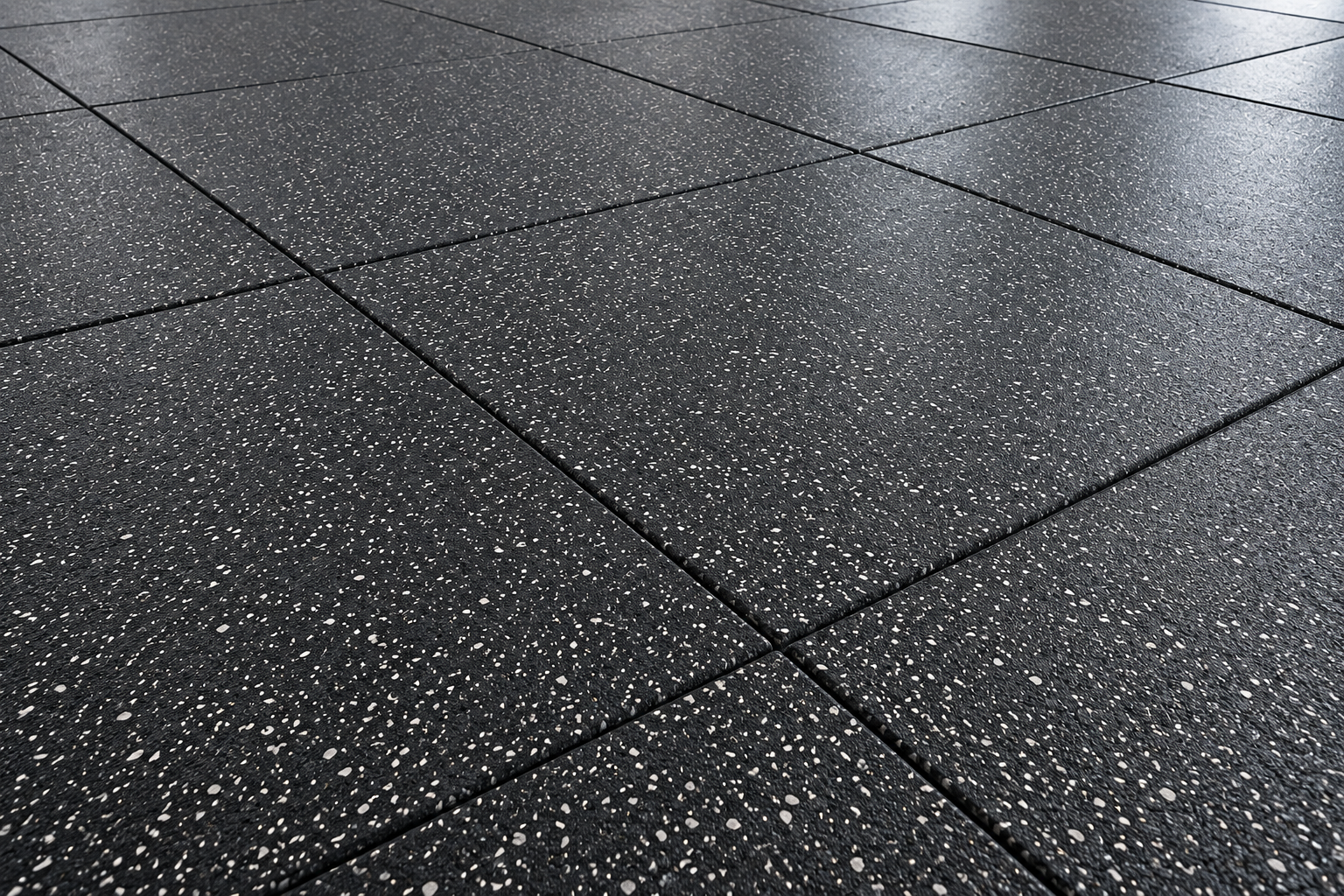
A dark foundation offers an unparalleled high-end aesthetic that significantly bolsters the perceived value and sophistication of a property. It's the choice of the connoisseur. Practically, these deep hues are masters of disguise when it comes to dark stains or spills; coffee and wine vanish into the rich grain, sparing the homeowner the immediate anxiety of a visible blemish. Beyond mere utility, dark floors serve as an exquisite backdrop for opulent décor. Gold, brass, and silver accents take on a new life when set against a deep, saturated surface. Unlike traditional materials, dark SPC flooring offers a rigid core that withstands the rigors of high-traffic areas while maintaining its deep, saturated hue.
Cons of Darker Foundations
The pursuit of drama does come with its own set of considerations. The "Dust Magnet" phenomenon is perhaps the most discussed challenge; because of the high contrast, light-colored lint, pet hair, and dust specks appear more prominently than they would on a sand-toned surface. In small chambers with limited natural light, a dark floor can occasionally feel restrictive, pulling the boundaries inward and potentially making the ceiling feel lower. Durability is also a factor to weigh carefully. For instance, scratches on dark wooden flooring can sometimes reveal the lighter, natural core of the timber beneath the stain. This contrast makes maintenance a more frequent ritual for those who demand a pristine, unblemished gallery underfoot. Balancing these light vs dark flooring pros and cons requires an honest assessment of your home’s lighting and your personal tolerance for the slow, rhythmic care that a masterpiece deserves.
Navigating Practicality: Maintenance, Durability, and Lifestyle Realities
To select a floor is to choose the rhythm of your domestic life. This decision requires a "Lifestyle Audit," a contemplative assessment of how your household moves through its sanctuary. A home defined by the spirited energy of pets or the frequent arrival of guests demands a different chromatic strategy than a quiet, solitary retreat. If your companion is a light-coated breed, a dark walnut surface acts as a relentless witness to every stray hair, whereas a dark-coated pet will leave a visible trail across pale sands. This intersection of biology and design is a central pillar when assessing the light vs dark flooring pros and cons for your specific estate.
Footfall patterns further dictate the choice of hue. High-traffic thresholds, such as grand entryways or communal kitchens, bear the brunt of the external world. A matte finish, which has become the standard in 2026 for its understated elegance, excels at diffusing the appearance of minor wear. Glossy surfaces, while once favored for their reflective sheen, act as mirrors for every footprint and smudge, requiring a constant, exhausting cycle of polishing that disrupts the peace of the home.
The Maintenance Matrix
The cleaning rituals required for each palette are distinct and demand different types of vigilance. Light floors are susceptible to the visible drama of a spilled espresso or tracked-in soil, while dark floors are the notorious "dust magnets" of the interior world, revealing every speck of lint with unforgiving clarity. Maintenance-friendly flooring is a masterfully struck balance of tone and texture. To circumvent these maintenance extremes, one should look toward variegated patterns. A floor that celebrates high natural color variation, incorporating intricate wood grains or stone-like flecks, provides a sophisticated camouflage that solid, uniform colors simply cannot match.
Material Resilience and Colour
It's vital to recognize that not all materials behave identically under the same hue. Modern innovations like SPC flooring and high-end vinyl serve as the great equalizers in the light vs dark flooring pros and cons discussion. These specialized materials provide a non-porous resilience that protects deep pigments from the fading effects of UV exposure, a common ailment for traditional organic timbers in sun-drenched halls. Additionally, the selection of a high-quality underlay ensures that your chosen foundation remains stable and quiet, preserving the integrity of the aesthetic for decades. Whether you are drawn to the depth of charcoal or the purity of ash, you can view our collection of artisanal flooring to find a material that marries historical beauty with effortless modern endurance.
Curating Your Ideal Foundation: The Z&S Approach to Material and Hue
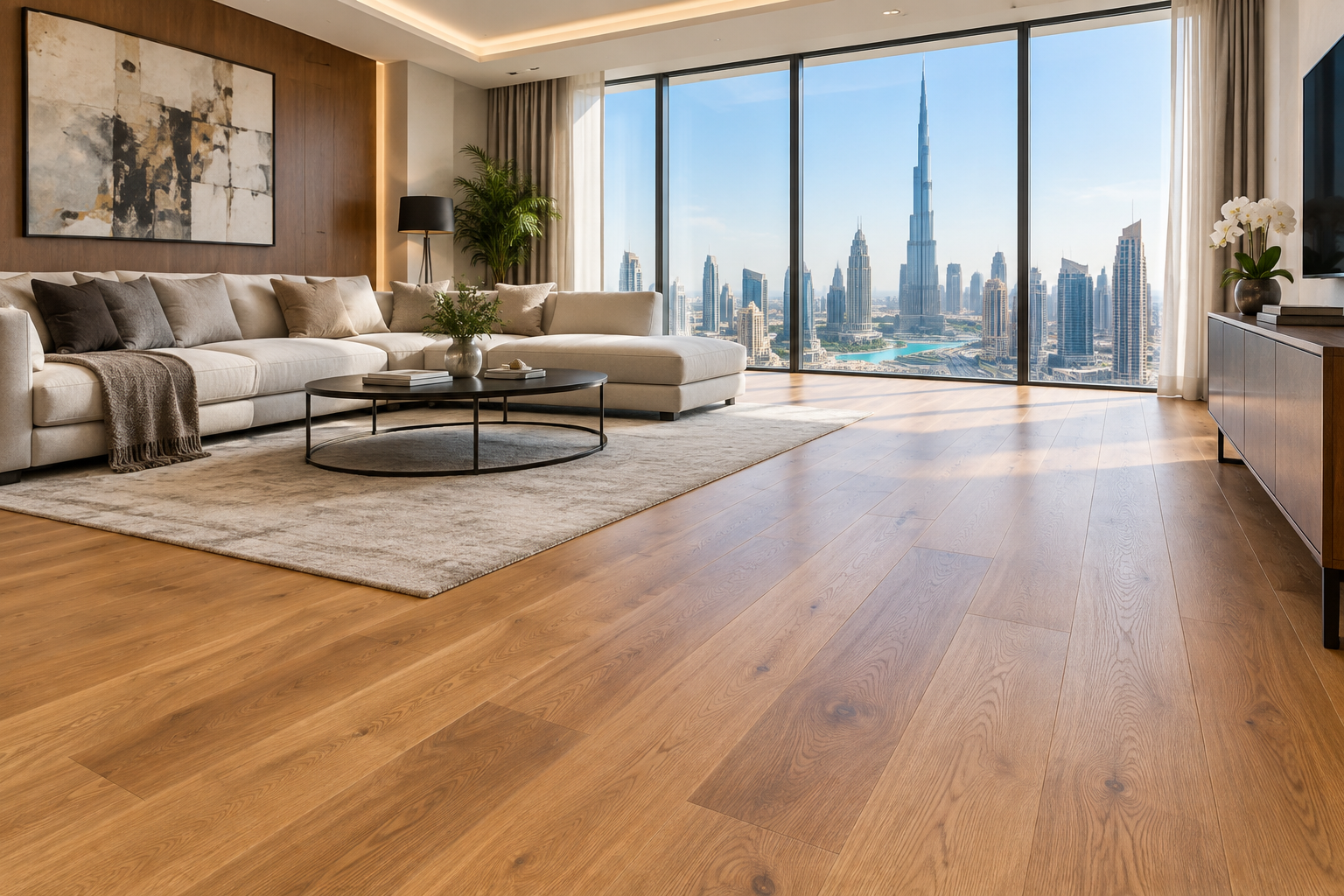
The choice between the celestial and the terrestrial need not be a rigid binary. While our exploration of light vs dark flooring pros and cons has highlighted the distinct virtues of each extreme, a seasoned curator often finds the most resonant narrative in the nuanced middle ground. Medium tones, such as weathered oaks or warm, earthy ambers, offer a sophisticated synthesis. They capture the airy optimism of light shades while retaining the grounded, historic weight of the dark, providing a versatile foundation that adapts to the shifting seasons of your interior décor. This balanced palette serves those who seek a home that feels both established and eternally fresh.
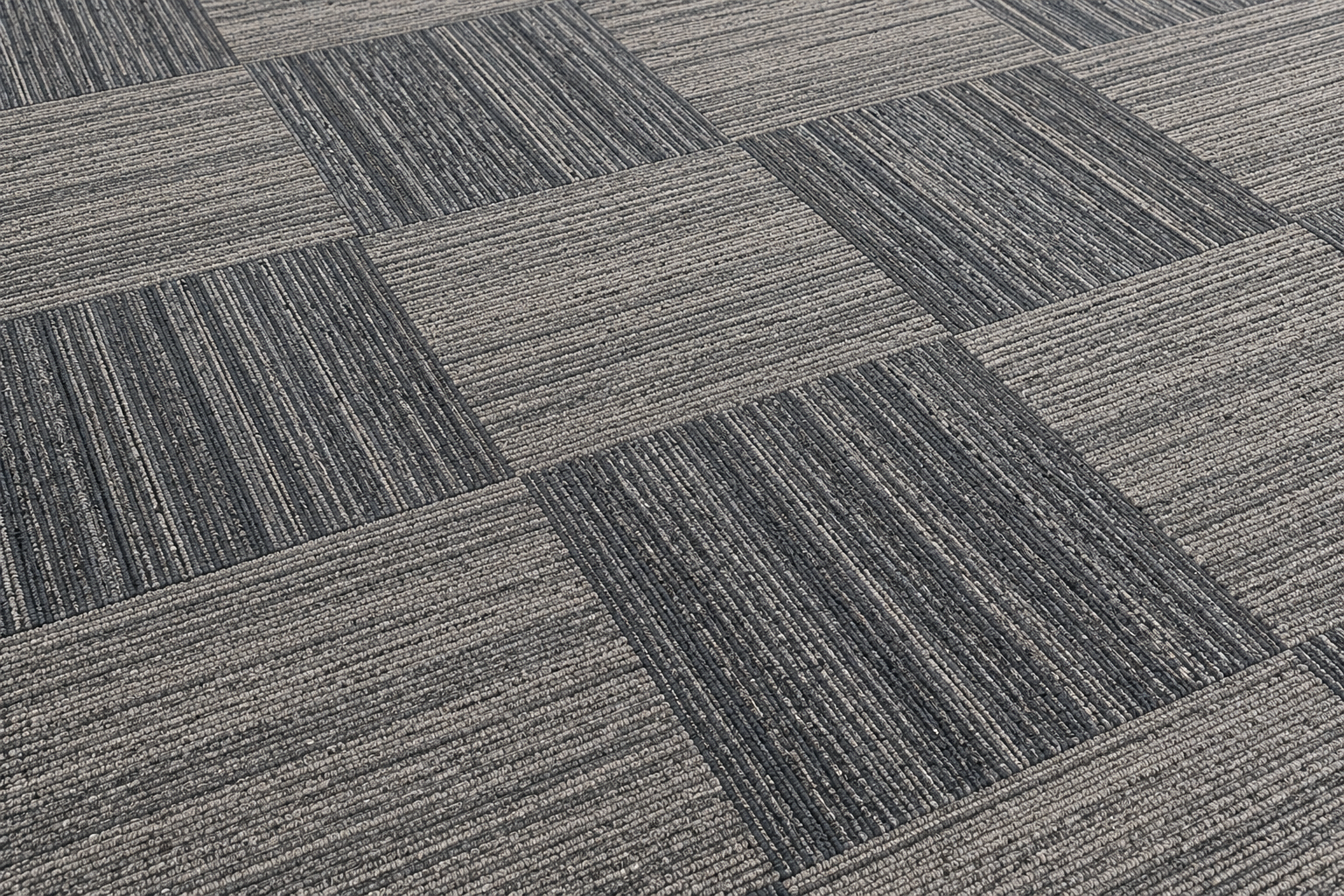
At Z&S, our philosophy is rooted in the belief that flooring is a cultural artifact. It's a reflection of heritage and artisanal quality that transcends the fleeting nature of modern trends. In more complex architectural layouts where the emotional intent varies from room to room, we often suggest bridging the gap between light and dark zones with carpet tiles. These pieces allow for a seamless transition, enabling you to curate a home that feels like a cohesive gallery rather than a collection of disparate chambers. Your final selection should be a deliberate harmony of climate, room volume, and the specific emotional resonance you wish to cultivate within each unique space.
The Art of the Sample
A sample is more than a mere swatch; it's a fragment of a future legacy. To truly understand how a hue will behave within your sanctuary, you must observe it under the rhythmic cycle of the day. View your shortlisted samples in the soft, blue-tinged light of the morning and again under the warm, amber glow of the evening. This practice reveals the hidden undertones of the material, ensuring the color remains true to your vision across all hours. We also encourage testing the surface against the realities of your lifestyle by introducing "real-world" debris to see how the texture interacts with everyday life. Before the first plank is laid, consult with our specialists to ensure your subfloor is prepared with the meticulous care required to support such a masterpiece. Understanding the light vs dark flooring pros and cons in the specific context of your home's orientation is the hallmark of a true connoisseur.
Defining Your Legacy
The enduring beauty of a floor is inextricably linked to the precision of its placement. Professional installation is the final, essential step in preserving the visual integrity of your selection. It ensures that the intricate grain patterns and subtle tonal shifts are showcased to their fullest potential, preventing the premature wear that often plagues poorly fitted surfaces. Z&S Carpets meticulously curates a range that balances global aesthetic movements with the specific environmental needs of our local clientele. We invite you to step away from the digital screen and experience these textures and hues in person. By engaging with the materials directly, you can feel the weight of the history and the skill of the maker, ultimately selecting a foundation that will anchor your home’s narrative for generations to come.
The Final Masterstroke: Anchoring Your Vision
The final selection of a foundation is a profound act of curation, a choice that establishes the emotional and spatial boundaries of your sanctuary. By contemplating the light vs dark flooring pros and cons, you've moved beyond mere aesthetics to understand how light reflectance and visual weight dictate the soul of a room. Whether your vision demands the ethereal expansiveness of a pale ash or the grounded, historic drama of a deep walnut, your selection serves as the narrative heartbeat of your home.
Since 2010, Z&S Carpets has acted as a guardian of aesthetic excellence, offering expert installation services that ensure every element is placed with meticulous care. As a trusted supplier across the GCC and Africa, we provide an exquisite range of premium SPC, vinyl, and artisanal carpets crafted to withstand the passage of time. We invite you to explore our curated collection of luxury flooring foundations to discover the material that resonates with your personal legacy. Your home is a living gallery. With a carefully chosen foundation, every moment within its walls becomes a masterpiece of intentional, beautiful living.
Curatorial Guidance: Frequently Asked Questions
Do dark floors really make a room look smaller?
Dark floors do possess a gravitational quality that pulls the boundaries of a chamber inward, potentially making a space feel more contained and intimate. This effect is a study in visual weight, where deep tones absorb light rather than reflecting it. While this can make a small, windowless room feel restrictive, in grander halls, it creates a sense of grounded permanence and sophisticated warmth that light floors cannot replicate.
Which flooring colour is best for a home with pets?
The ideal shade for a pet-friendly sanctuary typically resides in the light to medium spectrum, particularly those featuring high natural color variation and wire-brushed textures. These finishes excel at camouflaging stray hairs and minor abrasions. When weighing the light vs dark flooring pros and cons for pet owners, it's wise to consider your companion's coat; a golden retriever's fur vanishes against honeyed oak but acts as a stark contrast against deep charcoal.
Are light floors harder to keep clean than dark floors?
Light floors aren't inherently more difficult to maintain, but they do reveal different types of daily life than their darker counterparts. While a pale surface will highlight a spilled espresso or tracked-in mud with immediate clarity, a dark floor acts as a relentless witness to every speck of light-colored lint and dust. Achieving a pristine gallery underfoot requires a tailored cleaning ritual that respects the specific vulnerabilities of your chosen hue.
Does floor colour affect the resale value of a property?
Floor colour remains a significant factor in a property's market allure, with quality dark hardwood floors often recouping 70 to 80 percent of their cost at resale if the finish is meticulously preserved. In 2026, the market shows a strong preference for warm, natural tones like white oak, which offer a versatile canvas for prospective buyers. A well-chosen foundation suggests a home of enduring quality and thoughtful curation, increasing its desirability among discerning collectors.
Can I mix light and dark flooring in the same home?
Mixing different tonal foundations is an exquisite way to define the emotional zones of an estate, such as using ethereal light tones in communal galleries and deep walnuts in private libraries. This approach creates a rhythmic narrative flow as you move through the home. To maintain a sense of cohesive heritage, one might use transition pieces or artisanal carpet tiles to bridge these distinct chromatic chapters, ensuring the home feels like a unified work of art.
How does natural light affect my choice of flooring shade?
Natural light acts as the lifeblood of your floor's color, significantly altering how a shade is perceived throughout the day. High-intensity sunlight amplifies the Light Reflectance Value of pale surfaces, potentially making a room feel transcendent. Conversely, dark floors absorb this energy, revealing the intricate textures of the grain. It's essential to audit your architecture's light patterns, as a dark floor in a shaded corridor may feel cold without supplementary warmth.
Which flooring colour is better for hiding scratches?
Lighter tones, especially those with matte or low-gloss finishes, are far superior for concealing the inevitable marks of a lived-in home. Because the natural core of most wood species is pale, a scratch on a light floor remains largely invisible. On a dark, stained surface, a deep abrasion can reveal the lighter wood beneath, creating a stark contrast that disrupts the floor's visual integrity. Selecting a wire-brushed texture further aids in this camouflage.
What is the most popular flooring colour for 2026?
The prevailing trend for 2026 has shifted decisively away from cool grays toward warm, nature-inspired neutrals like honey, wheat, and blonde oak. These tones are celebrated for their ability to bring a sense of organic serenity and light into modern living spaces. While deep charcoals remain a staple for dramatic anchor points, the connoisseur’s choice currently favors the soft, tactile beauty of materials that reflect the warmth of the natural world.